#mars-orbiter-spacecraft
#mars-orbiter-spacecraft
[ follow ]
#nasa #space-exploration #artemis-ii #mars #moon-mission #spacex #lunar-exploration #blue-origin #orion-spacecraft




fromTechzine Global
2 months agoIs the future of compute space-based?
Could IT infrastructure, and even the rise of AI, eventually migrate beyond the atmosphere? Amazon founder Jeff Bezos predicted in October that gigawatt-scale, solar-powered data centers would be a reality within 10 to 20 years. At the World Economic Forum in Davos this week, Elon Musk was even more ambitious: AI data centers in the "final frontier" could be viable within two to three years. Google also plans to deploy its TPU chips in orbit via Project Suncatcher.
Artificial intelligence
Science
fromenglish.elpais.com
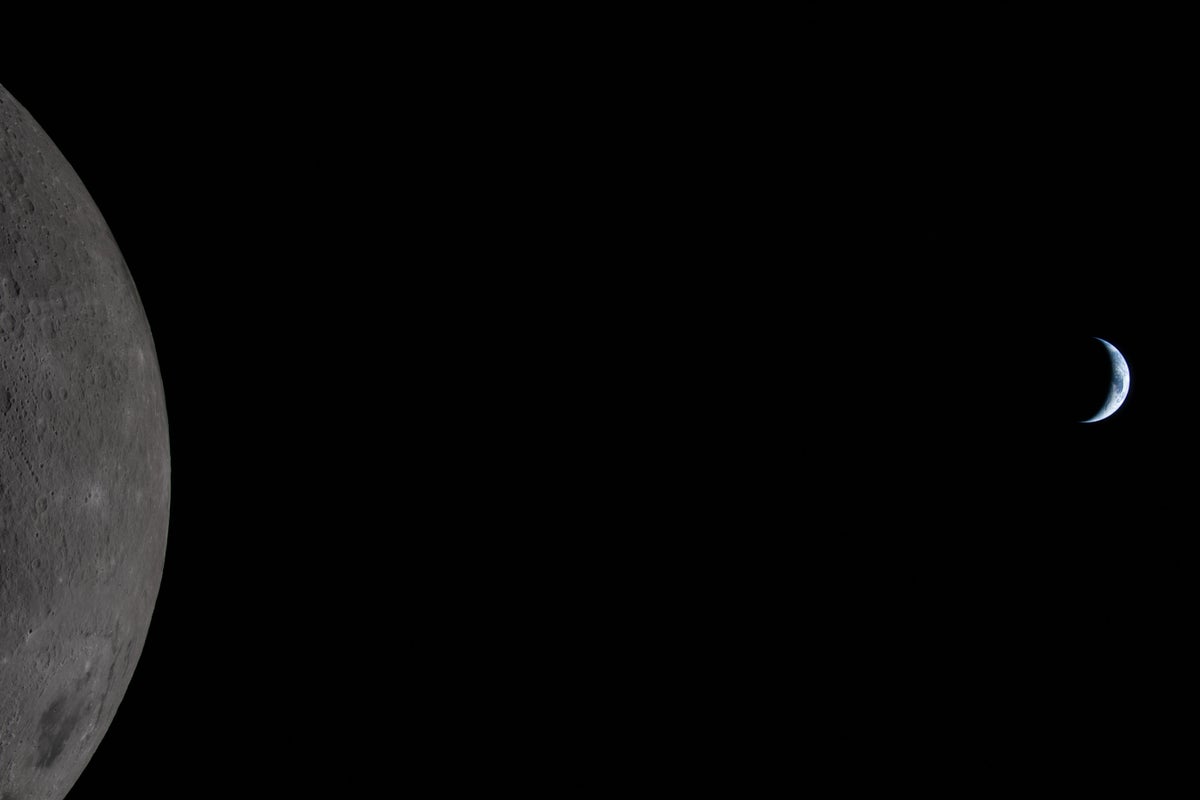
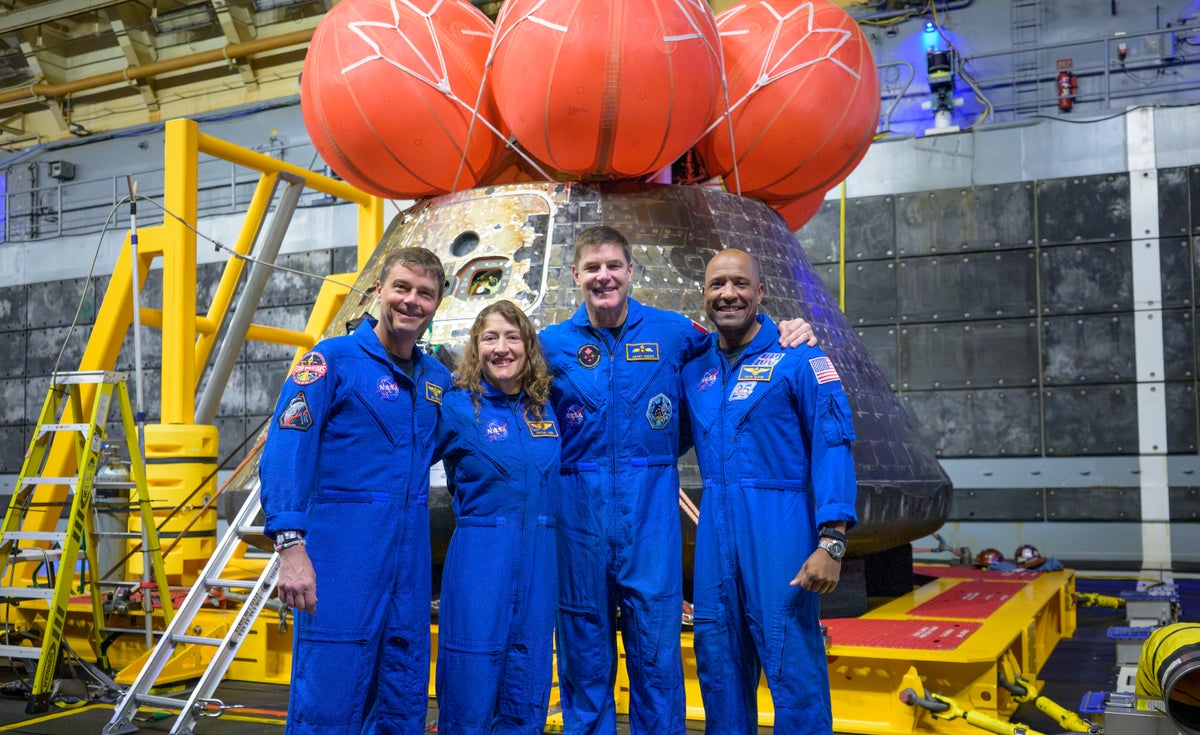
1 week agoArtemis 2 begins its return to Earth after exploring previously unseen areas of the far side of the Moon
Orion spacecraft lost contact with Earth during its mission, achieving significant milestones including record distance from Earth and witnessing a total solar eclipse.
Science
fromYanko Design - Modern Industrial Design News
2 weeks agoThis $349 NASA Mars Perseverance Rover Kit Lets You Build an AI-Powered Mars Robot at Home - Yanko Design
CircuitMess offers a buildable AI-capable replica of NASA's Perseverance rover for $309, emphasizing hands-on learning and modular expansion.
Science
fromArs Technica
1 month agoDing-dong! The Exploration Upper Stage is dead
NASA's Exploration Upper Stage, a Boeing-developed upgrade for the SLS rocket, was cancelled in favor of United Launch Alliance's next-generation upper stages, ending a project that survived primarily through political support rather than technical necessity.
fromTheregister
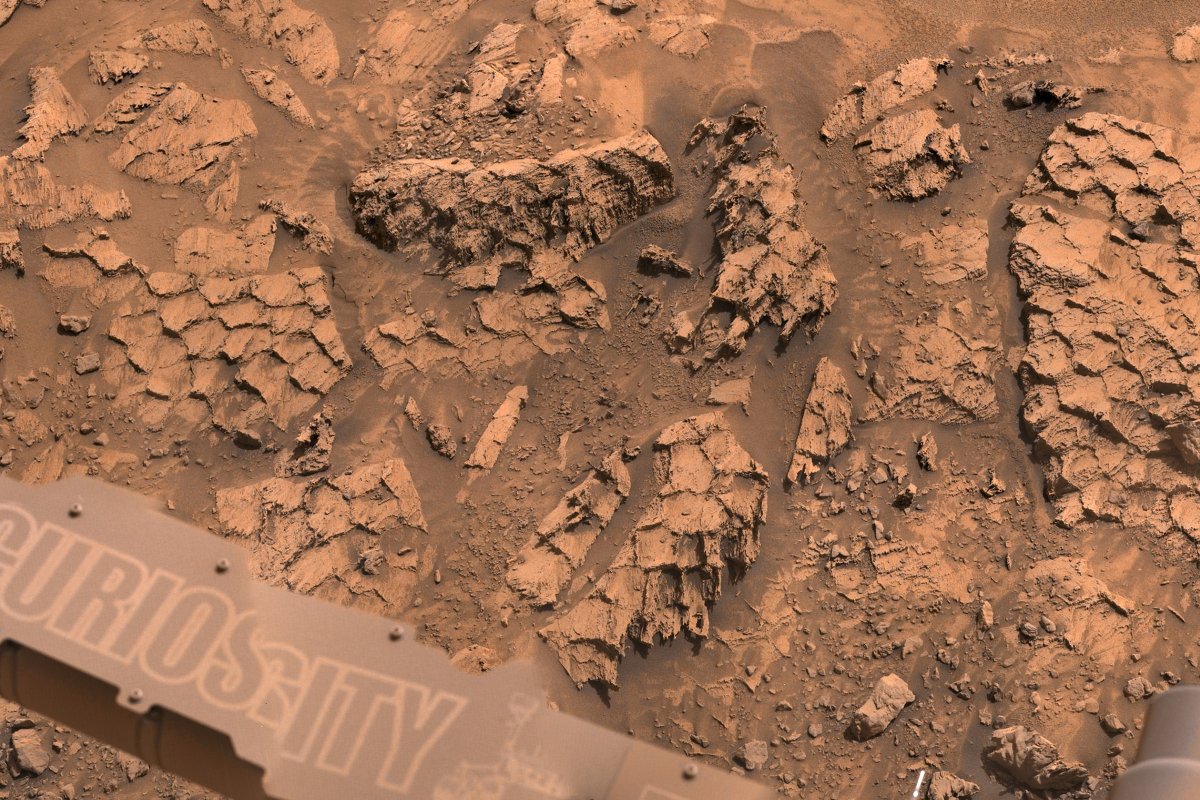
2 months agoNASA taps Claude to conjure Mars rover's travel plan
It did so with the blessing of engineers at NASA's Jet Propulsion Laboratory (JPL), who decided to delegate the meticulous work of route planning to Anthropic's AI model. This involves consulting orbital and surface imagery of Mars in order to set a series of waypoints to guide the rover's movements. Once plotted, this data gets transmitted about 140 million miles or 225 million kilometers - the average distance from Earth to Mars - where it's received by Perseverance as a navigational plan.
Science
fromTheregister
1 month agoNASA uses Mars Helicopter's SoC for rover navigation upgrade
NASA has revealed it repurposed the processor the Perseverance rover used to communicate with the Ingenuity Mars Helicopter, to help the rolling robot navigate the Red Planet autonomously "for potentially unlimited distances." The aerospace agency revealed the hack last week in a post that says it used the rover's Helicopter Base Station (HBS) because its processor is 100 times faster than the rover's other kit.
Science
fromEngadget
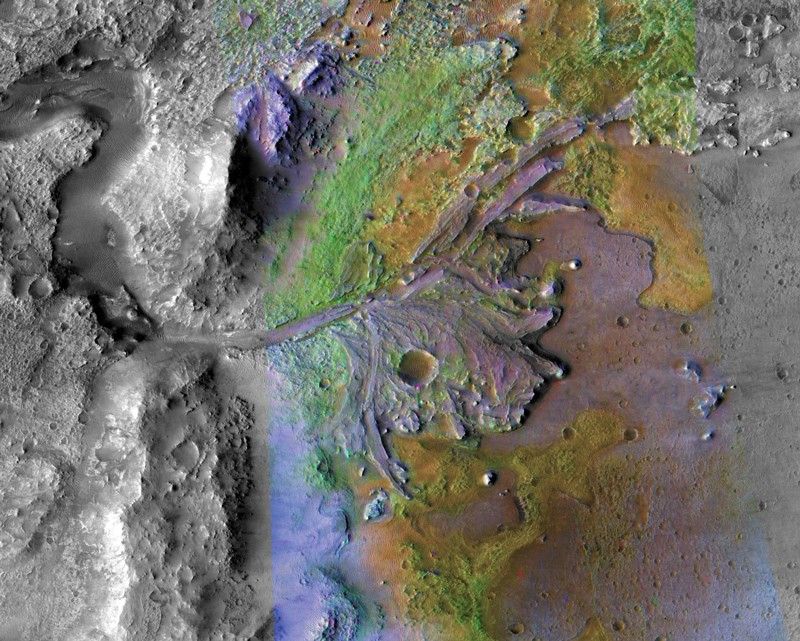
2 months agoNASA used Claude to plot a route for its Perseverance rover on Mars
Since 2021, NASA's Perseverance rover has achieved a number of historic milestones, including sending back the first audio recordings from Mars. Now, nearly five years after landing on the Red Planet, it just achieved another feat. This past December, Perseverance successfully completed a route through a section of the Jezero crater plotted by Anthropic's Claude chatbot, marking the first time NASA has used a large language model to pilot the car-sized robot.
Science
Science
fromArs Technica
1 month agoA non-public document reveals that science may not be prioritized on next Mars mission
NASA released a pre-solicitation for a $700 million Mars orbiter spacecraft contract to relay communications and provide navigation support through 2035, with competition expected to be more open than originally intended.
[ Load more ]