#medication-abortion
#medication-abortion
[ follow ]
#mifepristone #abortion-access #abortion #abortion-rights #state-legislation #telehealth-abortion #telehealth
fromJezebel
1 month agoSouth Carolina Lawmakers Spent Hours Arguing How Many Reproductive Rights Women Should Have Left
Two amendments were ultimately added to the bill following the debate on the House floor: One would threaten up to life in prison for giving abortion pills to a pregnant person without their knowledge. (Administering drugs without consent is already a crime, but this amendment dramatically escalates the penalty.) The other makes it illegal to raise funds or distribute money to buy abortion pills, potentially destroying the crucial and life-saving work of abortion funds.
US politics
fromHuffPost
1 month agoMy Abusive Partner Might Have Killed Me - This Controversial Choice Saved My Life
When I took the assessment, shortly after leaving my partner, he scored an 8/10. If I had gone through with our pregnancy, he would have scored a 10. But we didn't have children because five years earlier, in a Chicago clinic, I'd had a medication abortion. At the time, the danger only registered as a faint sense of unease, nothing like the five-alarm fire my life would later become.
Relationships
fromTruthout
1 month agoBills Targeting Abortion Pills Advance in States That Already Ban Most Abortions
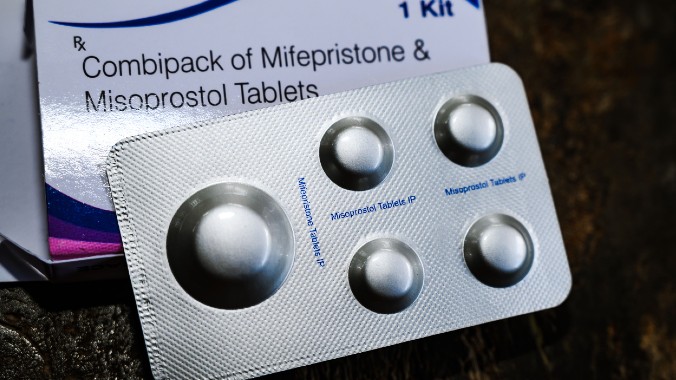
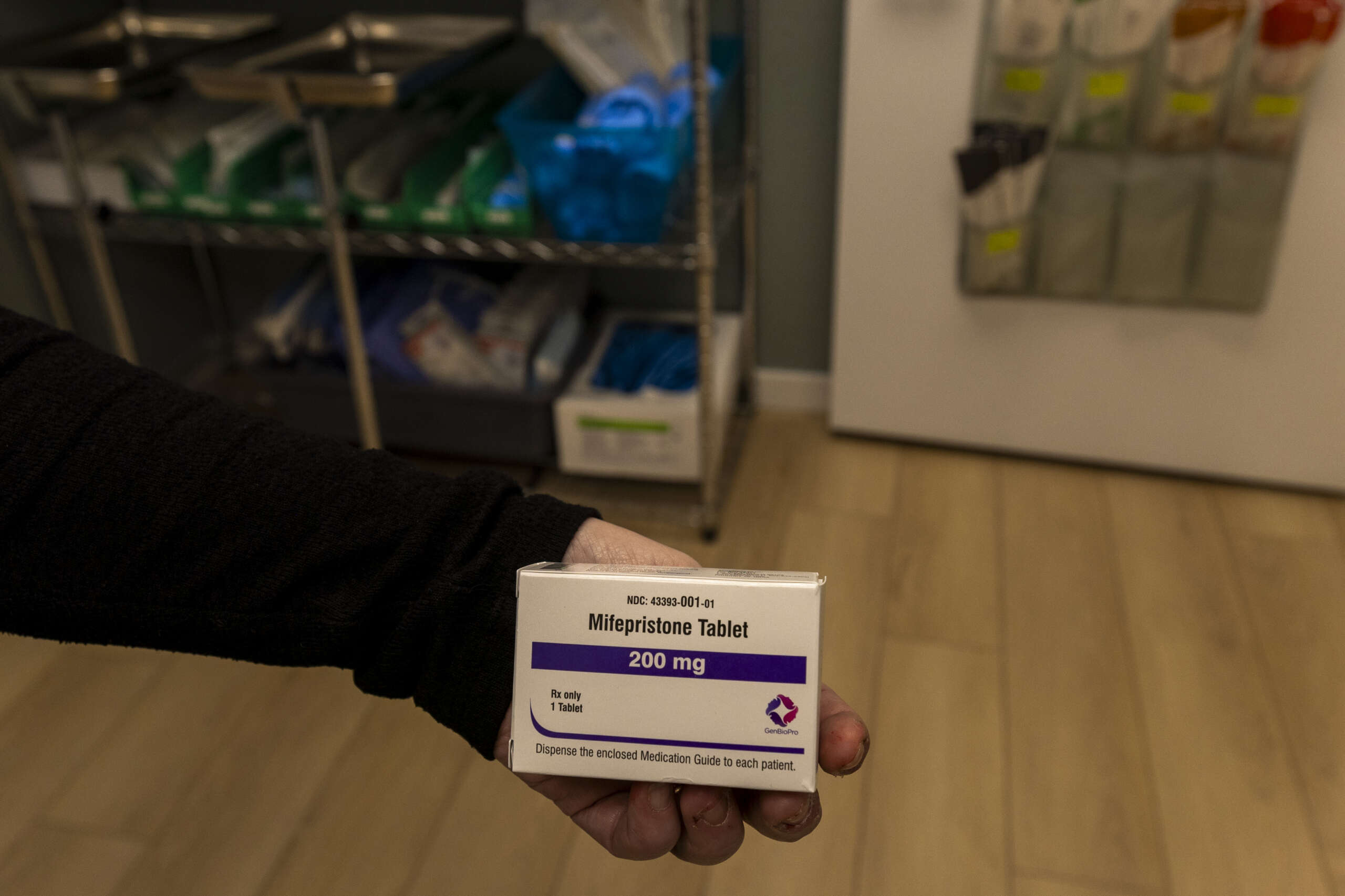
Nearly 200 anti-abortion bills have been introduced in 29 states, according to an estimate by the Guttmacher Institute, a reproductive health research organization. "In 2026, medication abortion remains one of the central battlegrounds in the fight over reproductive autonomy, with policymakers in several states pushing bills that would criminalize patients, restrict telehealth and mailing, and even misclassify abortion pills as controlled substances or environmental hazards," Kimya Forouzan, Guttmacher's principal policy adviser for state issues, said in a statement.
US politics



Public health
fromElectronic Frontier Foundation
5 months agoDecoding Meta's Advertising Policies for Abortion Content
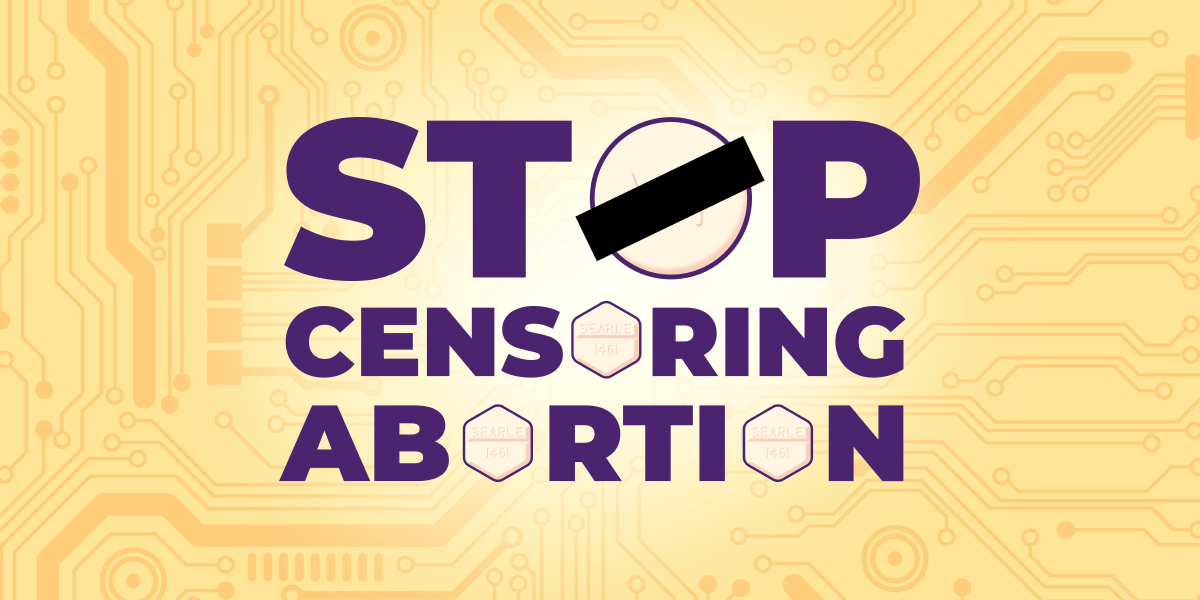
Meta's advertising policies impose stricter rules on abortion-related paid content—especially medication abortion—and in practice create barriers that often prevent promotion of such posts.


fromwww.npr.org
6 months agoCalifornia considers allowing doctors to prescribe abortion drugs anonymously
A California bill that would allow health care providers to anonymously mail abortion drugs could soon become law, marking the latest effort by a blue state to safeguard access to medication abortion. The two-drug regimen of mifepristone and misoprostol is used in more than 60% of abortions in the U.S., and roughly a quarter of abortions are now done via telehealth, according to the Society of Family Planning.
Public health
Public health
fromInside Higher Ed | Higher Education News, Events and Jobs
6 months agoPublic Ill. Universities Will Provide Medication Abortions
Illinois requires public colleges and universities to provide contraception and medication abortion through campus health centers or pharmacies starting this academic year.
[ Load more ]