#mumbai
#mumbai
[ follow ]
#t20-world-cup #india-vs-england #cricket-semifinal #sanju-samson #flooding #cultural-heritage #film-review
fromwww.archdaily.com
1 week agoUnscripted Pavilion / Abin Design Studio
Mumbai is a city of simultaneities. Its urban fabric is dense and restless a patchwork continually fractured by moments of porosity. Narrow alleys suddenly unfold into courtyards, and fleeting intimacies emerge between strangers in crowded trains. Rhythms of chaos and solitude overlap seamlessly to create an everyday theatre of resilience.
Design
fromwww.theguardian.com
1 month agoExclusively for the elite': why Mumbai's new motorway is a symbol of the divide between rich and poor
The road was intended as a solution to the gridlocked roads of India's commercial capital. But Mumbai is a densely populated peninsula, 25 miles (40km) long and 6 miles wide, where land is as scarce as snow. The new coastal road had to be built on land reclaimed from the Arabian Sea. An engineering marvel, it connects north and south, and is a dream for car owners, who used to average about 5mph through Mumbai's congestion.
Social justice
fromwww.theguardian.com
3 months agoThe water came up to my waist but I carried on walking' This is climate breakdown
Immediately, I collected my bag and umbrella and called my husband. I didn't know what was happening. My colleague advised me not to sit in the ladies' coach on the train (in Mumbai we have a separate coach for ladies). He said, You'd better go in the general coach, because if something happens you will have the support of other people there.
World news
fromwww.npr.org
4 months agoGreetings from an Indian Railways coach, with spectacular views from Mumbai to Goa
I love Mumbai, but there are days when the city tests me. When I'm walking in sweltering heat amid a cacophony of horns, dodging dog poop on the pavement, coughing up dust churned up by zigzagging rickshaws.
US news
fromElite Traveler
6 months agoThe Best Hotels in Mumbai
The home of Bollywood and India's commercial capital, Mumbai continues to entice travelers with its rich culture, fascinating history and electric energy. As well as being home to some of the country's most enticing historical landmarks, the cosmopolitan destination has evolved into a hub for high-end travel, where visitors can enjoy top-tier restaurants and glitzy shopping districts. A city of contrasts, for first-time visitors, the culture and chaos can often feel overwhelming.
Travel
E-Commerce
fromLondon Business News | Londonlovesbusiness.com
7 months agoIndia's premier finance & investment event is back, bigger, bolder and more impactful - London Business News | Londonlovesbusiness.com
Money Expo India 2025 will gather over 10,000 financial professionals to explore emerging trends in fintech and investment.
fromThe Art Newspaper - International art news and events
8 months agoAncient art on wheels: how Mumbai's leading museum is sending miniature exhibitions by bus into the Indian countryside
The CSMVS has retrofitted three antiquated public buses as mobile mini-museums, plying historiography on the chaotic highways of the world's most populous country. The objective, according to the CSMVS curators, is to engage citizens in an evolving understanding of history that reflects contemporary values.
History
fromItsnicethat
9 months agoThe new creative neighbourhoods in Mumbai are preserving cultural heritage, while trying to avoid gentrification
Amidst all this chaos, however, I found an optimistic thread tying a few disparate initiatives together - including a community-led neighbourhood map, a contemporary design gallery...
Online Community Development

fromwww.theguardian.com
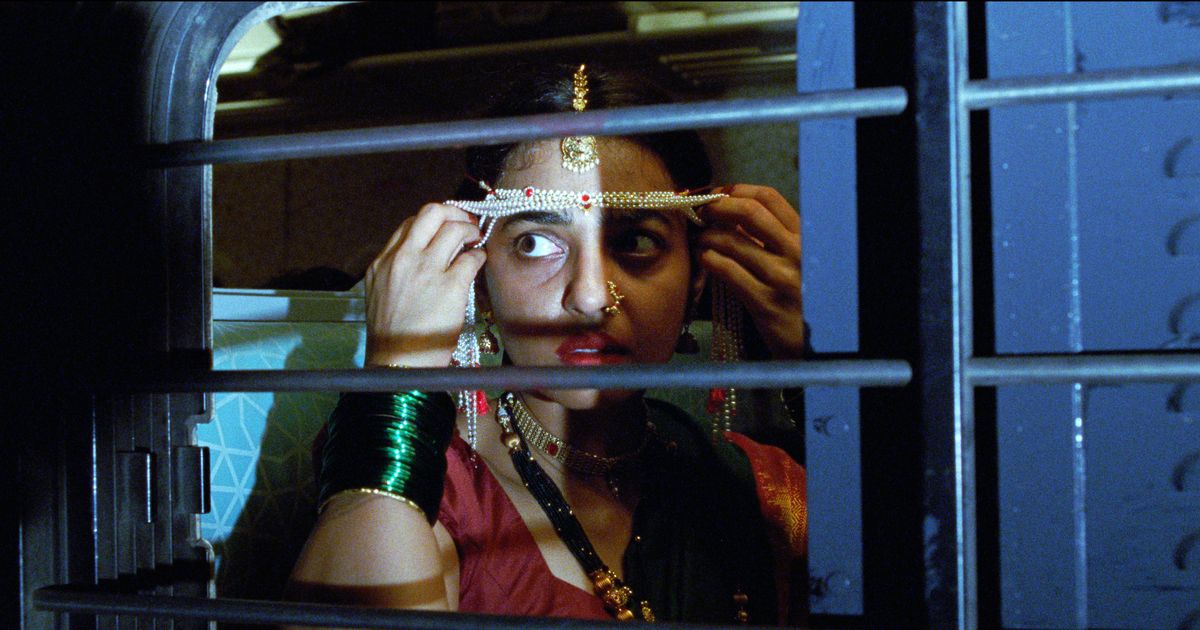
10 months agoYour chance to stare down a god: inside the British Museum's mesmerising look at Indian religions
It's the eyes that stay with you... As Sushma Jansari explains, it's not surprising that the eyes have it. Making direct eye contact, getting a glimpse (or darshan) of the divine, is the whole point.
Arts
[ Load more ]