#natural-language-processing
#natural-language-processing
[ follow ]
#machine-learning #ai #artificial-intelligence #multi-token-prediction #large-language-models #user-experience

fromTechzine Global
4 days agoThe only thing constant in technology is change, except for unrealistic hopefulness
Edsger Dijkstra argued that the inherent ambiguities and slow evolution of natural languages were conclusive reasons to abandon any real idea of programming in human languages. He was right.
Software development
fromThe JetBrains Blog
6 days agoUsing Bag-of-Words With PyCharm | The PyCharm Blog
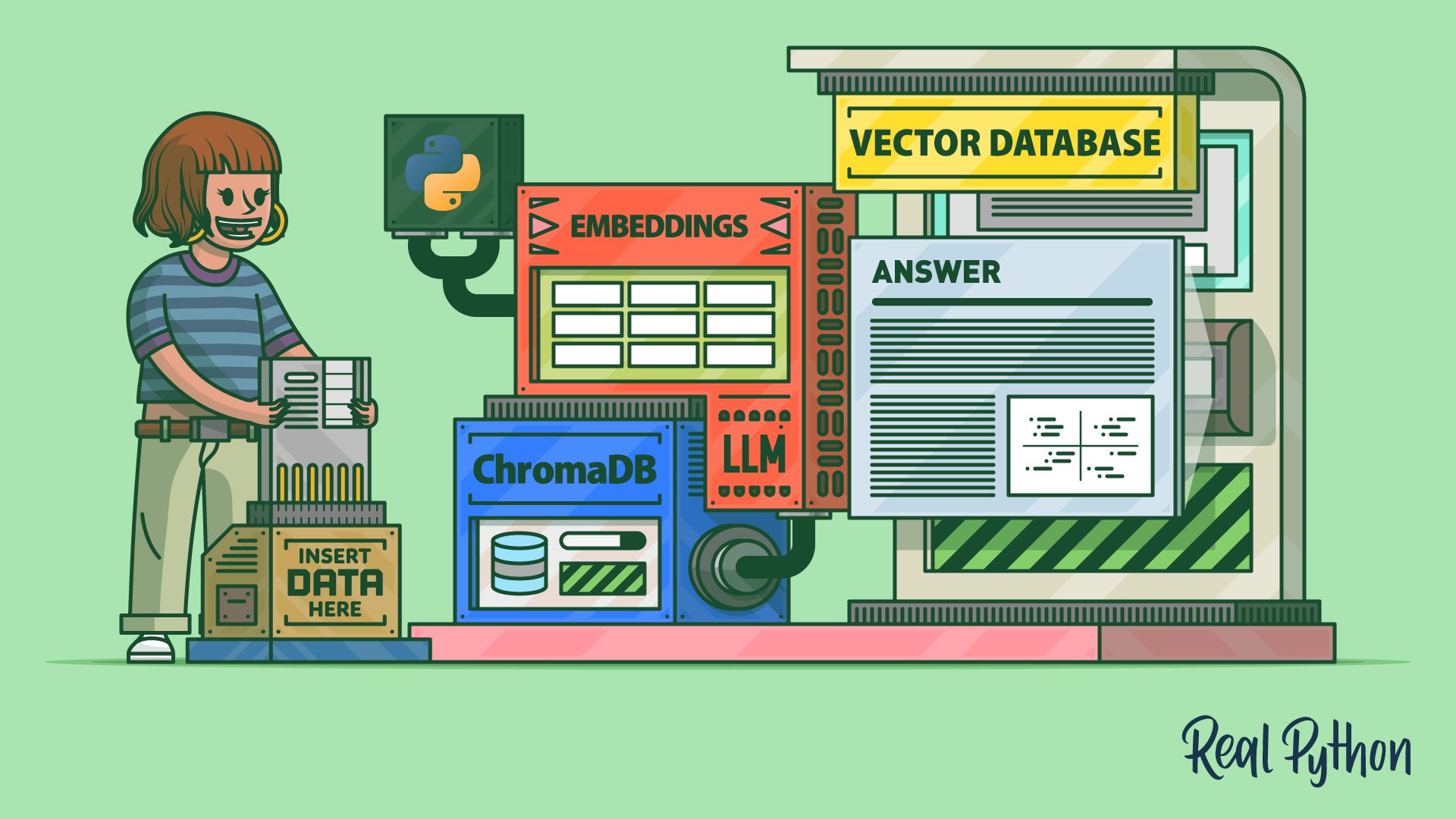
The bag-of-words model is a text representation technique that converts unstructured text into numerical vectors by tracking which words appear across a corpus. Rather than preserving grammar or word order, it simply represents each document as a 'bag' of its words, recording how often each one appears.
Python







Marketing tech
fromSocial Media Explorer
1 month agoAI Voice Agents in 2026 - How Businesses Are Replacing IVR With Conversational AI That Actually Works - Social Media Explorer
AI voice agents significantly improve customer service efficiency by resolving issues directly rather than routing through traditional IVR systems.
fromTechCrunch
1 month agoGoogle is using old news reports and AI to predict flash floods | TechCrunch
While humans have assembled a lot of weather data, flash floods are too short-lived and localized to be measured comprehensively, the way the temperature or even river flows are monitored over time. That data gap means that deep learning models, which are increasingly capable of forecasting the weather, aren't able to predict flash floods.
Science
Artificial intelligence
fromEngadget
1 month agoGoogle brings Gemini-powered content creation tools to Docs, Sheets, Slides and Drive
Google is rolling out Gemini AI features across its productivity suite enabling users to generate first drafts in Docs, build spreadsheets in Sheets, design presentations in Slides, and query files in Drive using natural language prompts.
Marketing tech
fromNeil Patel
2 months agoVoice Search Ads Are Changing Google's Search Term Report
Voice search queries have grown from 2.8 to 9-10 words, shifting Google Ads from keyword matching to semantic understanding, requiring agencies to fundamentally rethink intent tracking and budget management.
Intellectual property law
fromPatently-O
2 months agoThe Recentive Ratchet: RPI's NLP Patent Falls to the New-Environment Rule
The Federal Circuit affirmed that a patent claiming natural language processing using case-based reasoning on a metadata database is ineligible under 35 U.S.C. § 101, establishing that applying established AI techniques to new fields does not overcome patent ineligibility.
fromMedium
5 months agoFrom Human Simulations to Work Companions: The Future of Human-AI Collaborative Intelligence
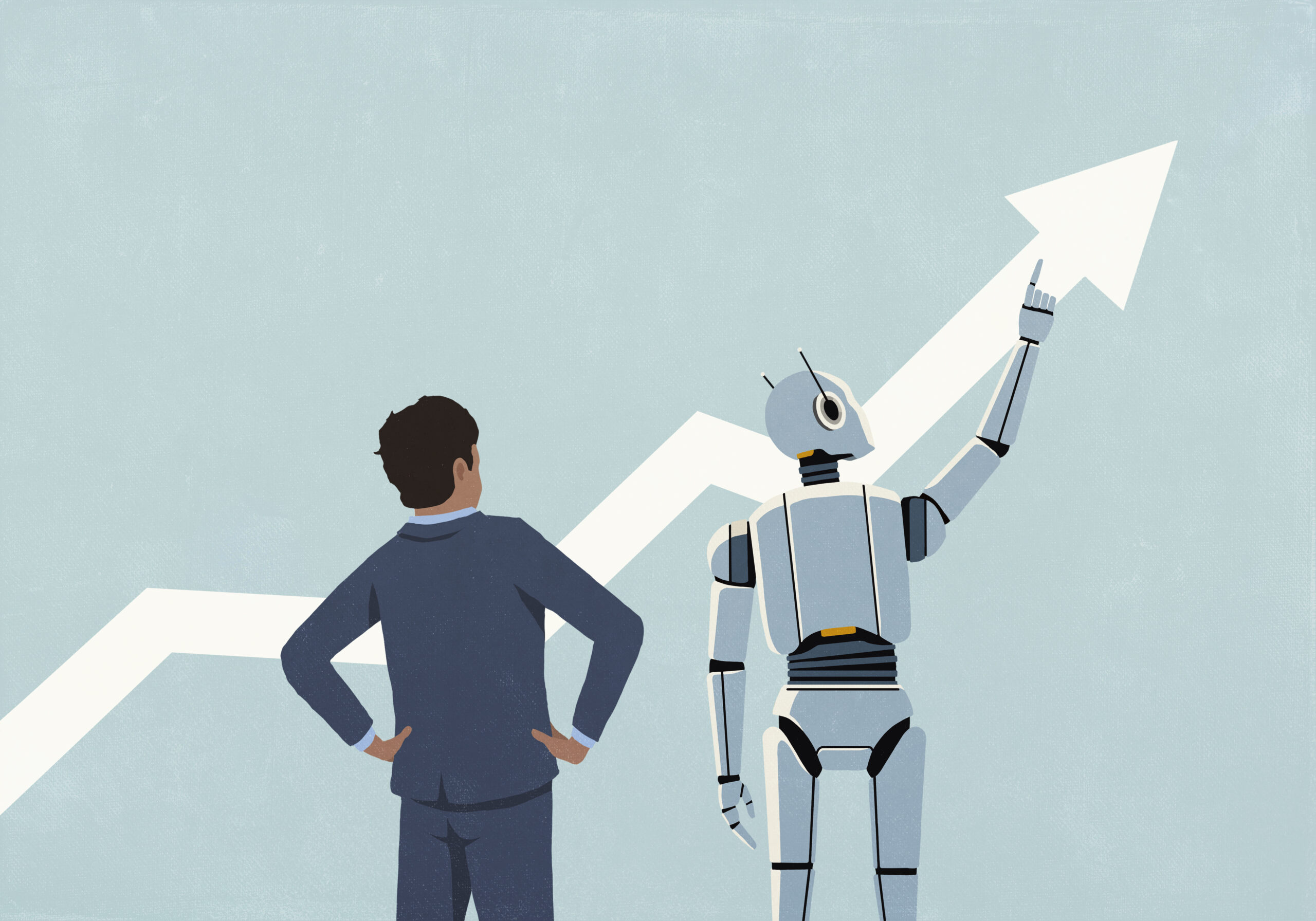
In the decades since natural language processing (NLP) first emerged as a research field, artificial intelligence has evolved from a linguistic curiosity into a catalyst reshaping how humans think, work, and create. Few people are as qualified to trace that journey, or to imagine what comes next, as Rada Mihalcea, Professor of Computer Science and Engineering and Director of the Michigan AI Lab at the University of Michigan.
Artificial intelligence





Artificial intelligence
fromeLearning Industry
7 months agoAI And Machine Learning In ROI Measurement: Unlocking Advanced Analytics
AI enables precise, predictive, and actionable ROI measurement by processing vast learning data in real time, uncovering subtle correlations between learning behaviors and business outcomes.
Online learning
fromeLearning Industry
7 months agoUnlocking Emotions: How Sentiment Analysis Is Revolutionizing Personalized Learning
Integrating sentiment analysis into adaptive learning enables emotionally aware personalization that improves engagement, empathy training, and learning outcomes across industries like publishing and healthcare.




fromClickUp
10 months ago13 Best AI Intranet Search Tools for 2025 | ClickUp
Traditional intranet search engines struggle to keep up with the growing complexity of internal knowledge, with information scattered across tools like Google Drive, Notion, SharePoint, Confluence, Slack, and your project management platform.
Artificial intelligence
fromHackernoon
1 year agoEmpirical Results: GPT-2 Analysis of Transformer Memorization & Loss | HackerNoon
These experiments with GPT-2 medium on OpenWebText validate the radius hypothesis from our theoretical framework, measuring activation distances in the last layer for next-token prediction.
Roam Research


fromAmazon Web Services
10 months agoHow VideoAmp uses Amazon Bedrock to power their media analytics interface | Amazon Web Services
The collaboration between VideoAmp and AWS GenAIIC resulted in a prototype chatbot that utilizes natural language processing to analyze media analytics data efficiently.
Artificial intelligence
Growth hacking
fromGeeky Gadgets
10 months agoBuild Apps in Minutes with Claude Code Using Natural Language (No Code)
App development becomes effortless with Claude Code, enabling creation through conversation-like natural language commands.
Accessible design promotes usability for novices and experts, bridging the gap in app development.
Includes essential features like full content ownership and version control for enhanced project management.


Artificial intelligence
fromHackernoon
56 years agoMulti-Token Prediction: Architecture for Memory-Efficient LLM Training | HackerNoon
Multi-token prediction enhances language modeling efficacy by allowing simultaneous forecasting of multiple tokens.
Improved model performance scales with increased size.
Artificial intelligence
fromHackernoon
1 year agoApproaches to Counterspeech Detection and Generation Using NLP Techniques | HackerNoon
Counterspeech detection and generation are increasingly utilizing automated classifiers and transformer-based language models, enhancing responses to online hate speech.
[ Load more ]