Science
fromNews Center
4 days agoPrinted Neurons Communicate With Living Brain Cells - News Center
Artificial neurons can communicate with real brain cells, paving the way for energy-efficient computing and advanced brain-machine interfaces.
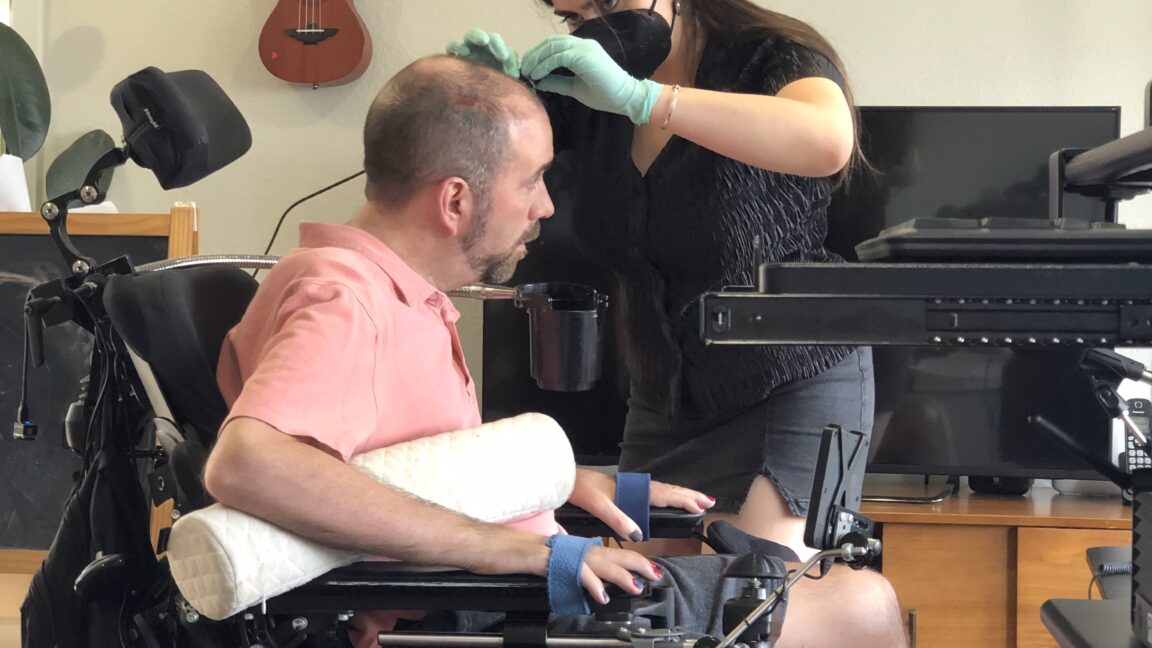
Artificial intelligence (AI) machine learning is making a difference in assistive technology to help restore movement for the paralyzed. A new study in the American Institute of Physics journal APL Bioengineering shows how AI has the potential to restore lower-limb functions in those with severe spinal cord injuries (SCIs) by identifying patterns in brain signals captured noninvasively via electroencephalography (EEG).
The retina and the optic nerve are outgrowths of neural tissue, and the remarkable success of electronic implants in restoring sight shows how far brain-computer interfaces have come. These have not delivered a sci-fi vision of augmented humans with incredible new powers but, perhaps more happily, significant progress has been made, restoring ability and agency to those who have suffered injury or disease.