#nuclear-safety
#nuclear-safety
[ follow ]
#iaea #energy-infrastructure #zaporizhzhia #ukraine #chernobyl #russia #civilian-casualties #iran #chornobyl
#zaporizhzhia

Russo-Ukrainian War
fromLondon Business News | Londonlovesbusiness.com
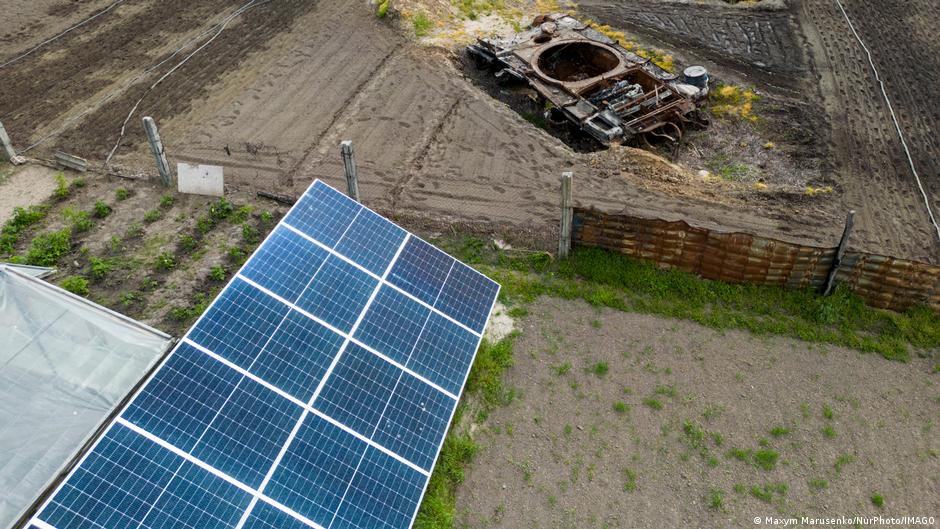
1 day agoNuclear safety alert after drone hits Zaporizhzhia power plant - London Business News | Londonlovesbusiness.com
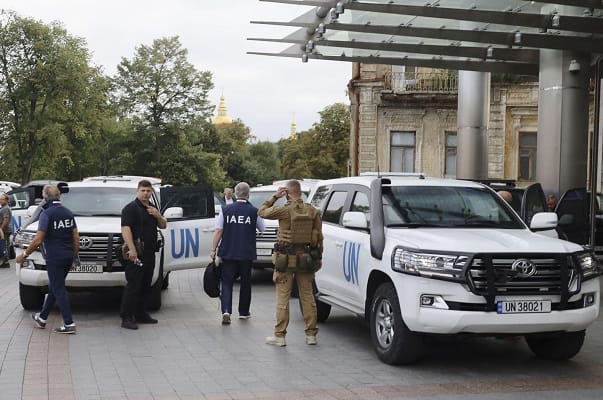
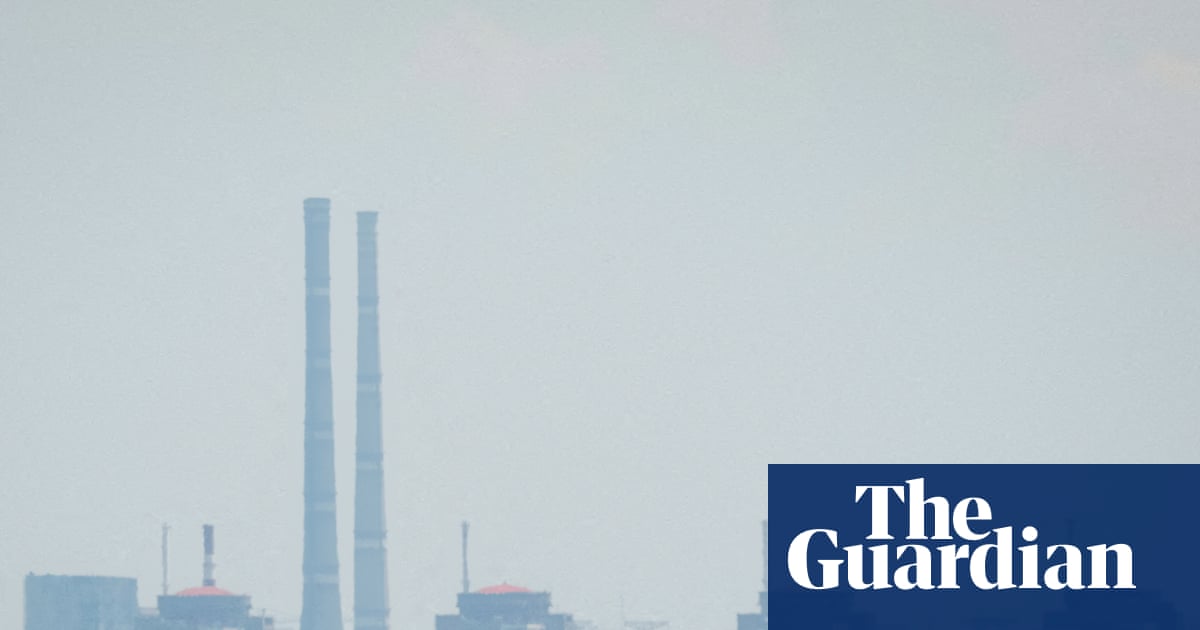
A drone strike at the Zaporizhzhia Nuclear Power Plant raises serious concerns about nuclear safety in the ongoing conflict.


#chernobyl
Europe news
fromFortune
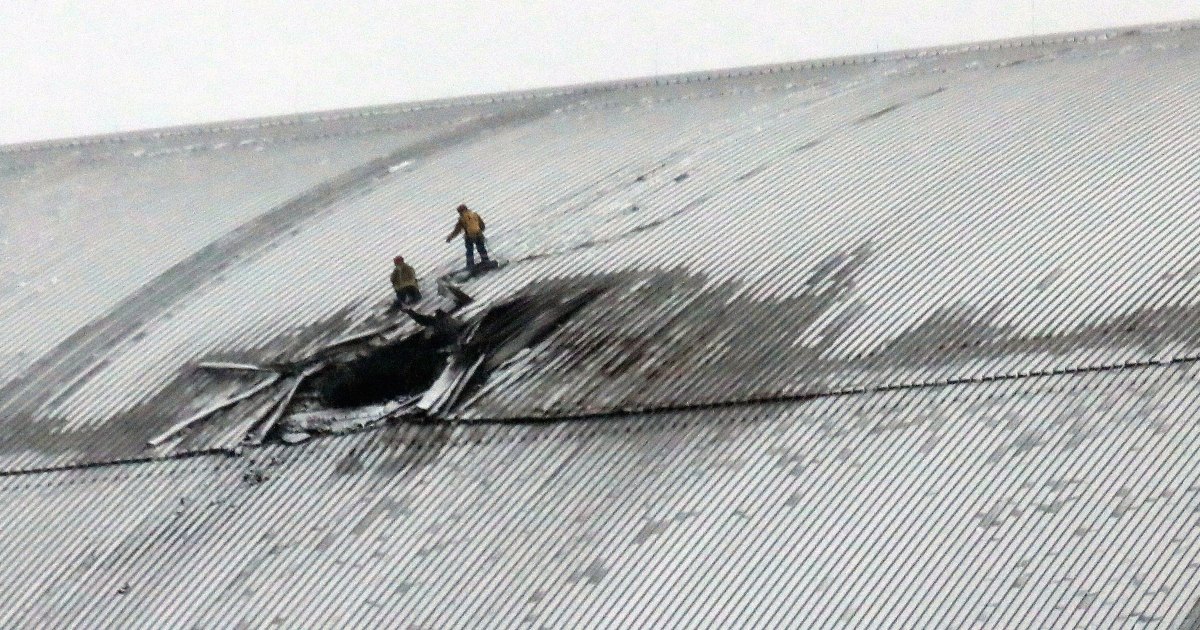
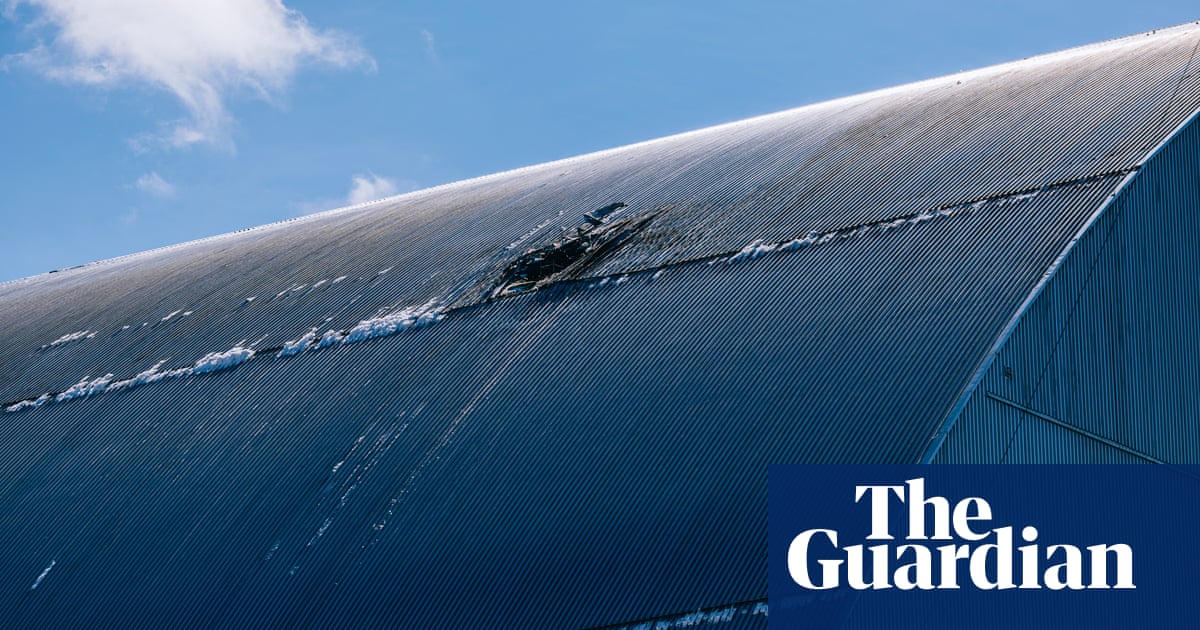
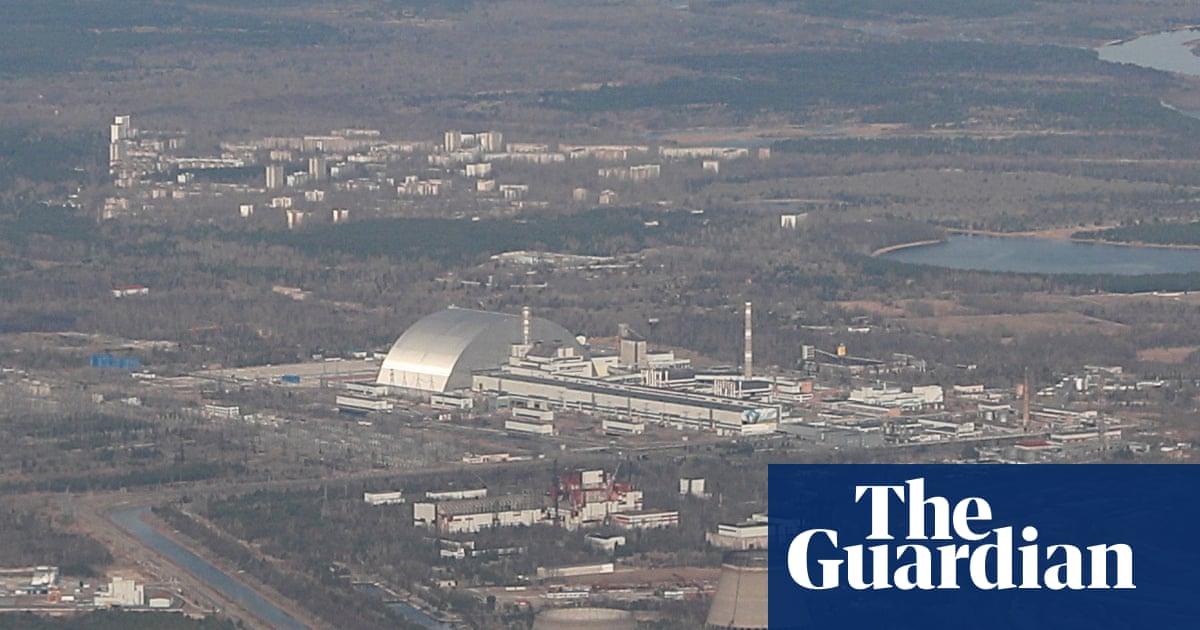
1 week ago'Strikes on nuclear facilities and other hazardous sites has now become reality': Ukrainians deal with risks at Chernobyl after Russia invaded | Fortune
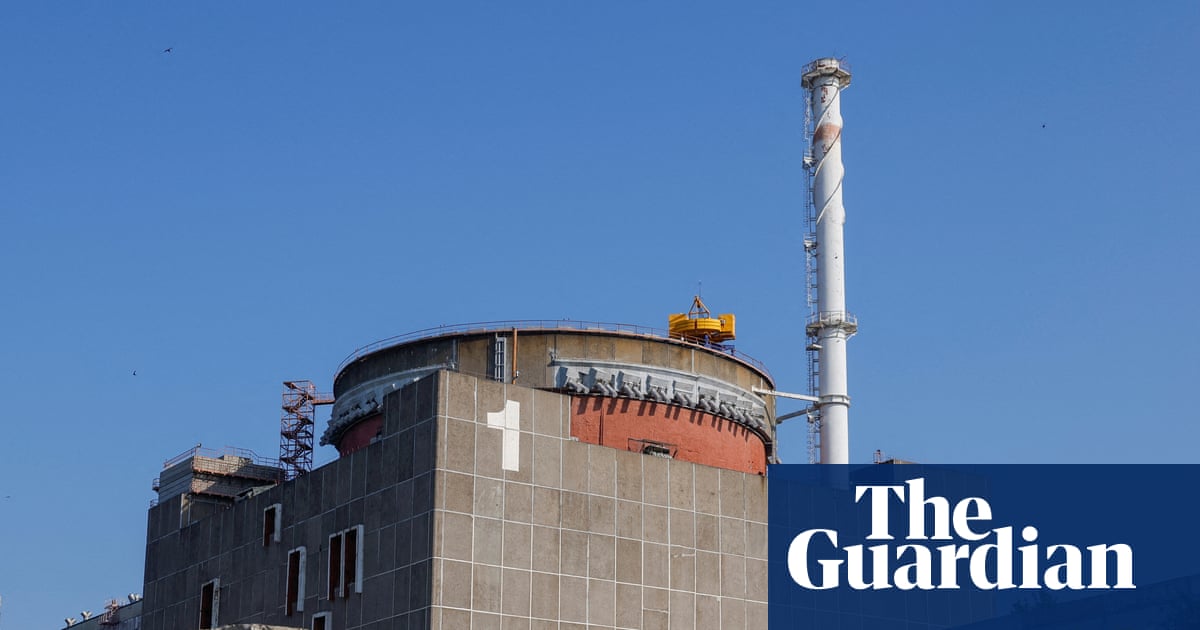
Chernobyl experienced two significant explosions decades apart, raising concerns about nuclear safety and geopolitical tensions.
Europe news
fromFortune
1 week ago'Strikes on nuclear facilities and other hazardous sites has now become reality': Ukrainians deal with risks at Chernobyl after Russia invaded | Fortune
Chernobyl experienced two significant explosions decades apart, raising concerns about nuclear safety and geopolitical tensions.
#zaporizhzhia-nuclear-power-plant
Europe news
fromLondon Business News | Londonlovesbusiness.com
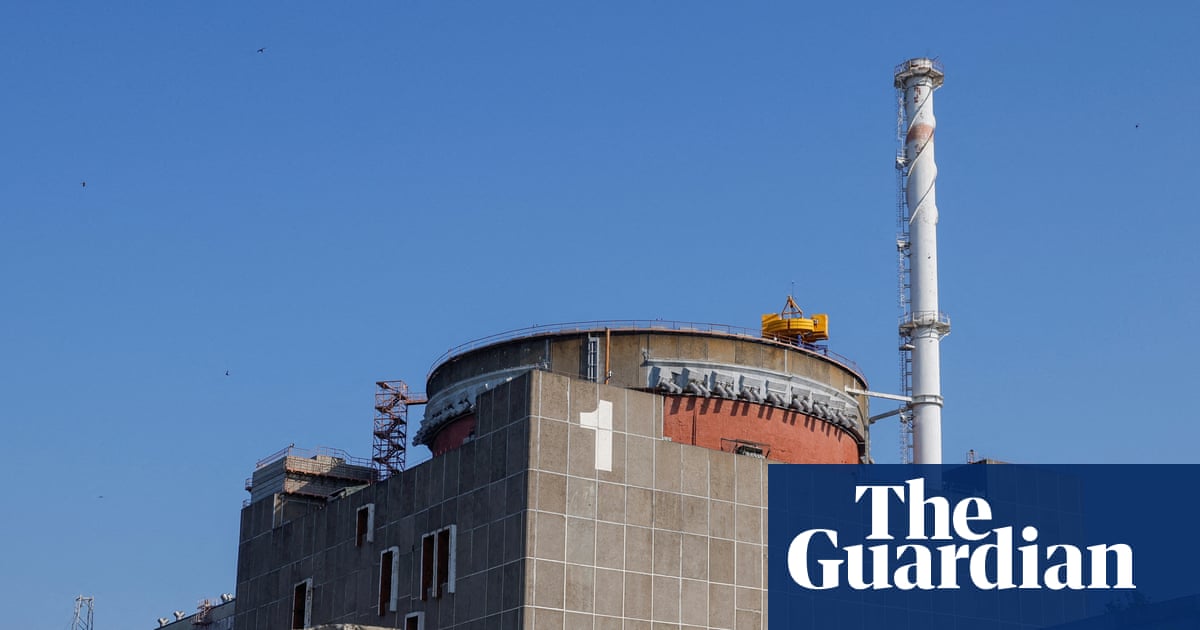
1 week agoUrgent warning issued after a deadly Russian strike at Europe's largest nuclear plant - London Business News | Londonlovesbusiness.com
A drone strike at Zaporizhzhia Nuclear Power Plant killed a worker, raising international concerns over nuclear safety amid the ongoing war in Ukraine.
Europe news
fromLondon Business News | Londonlovesbusiness.com
1 week agoUrgent warning issued after a deadly Russian strike at Europe's largest nuclear plant - London Business News | Londonlovesbusiness.com
A drone strike at Zaporizhzhia Nuclear Power Plant killed a worker, raising international concerns over nuclear safety amid the ongoing war in Ukraine.


World politics
fromLondon Business News | Londonlovesbusiness.com
1 month agoFears of nuclear catastrophe as UN prepares for fallout from Iran strikes - London Business News | Londonlovesbusiness.com
Nuclear facilities in conflict zones face catastrophic risks from military strikes, with limited international oversight and potential for decades-long consequences.
World news
fromwww.aljazeera.com
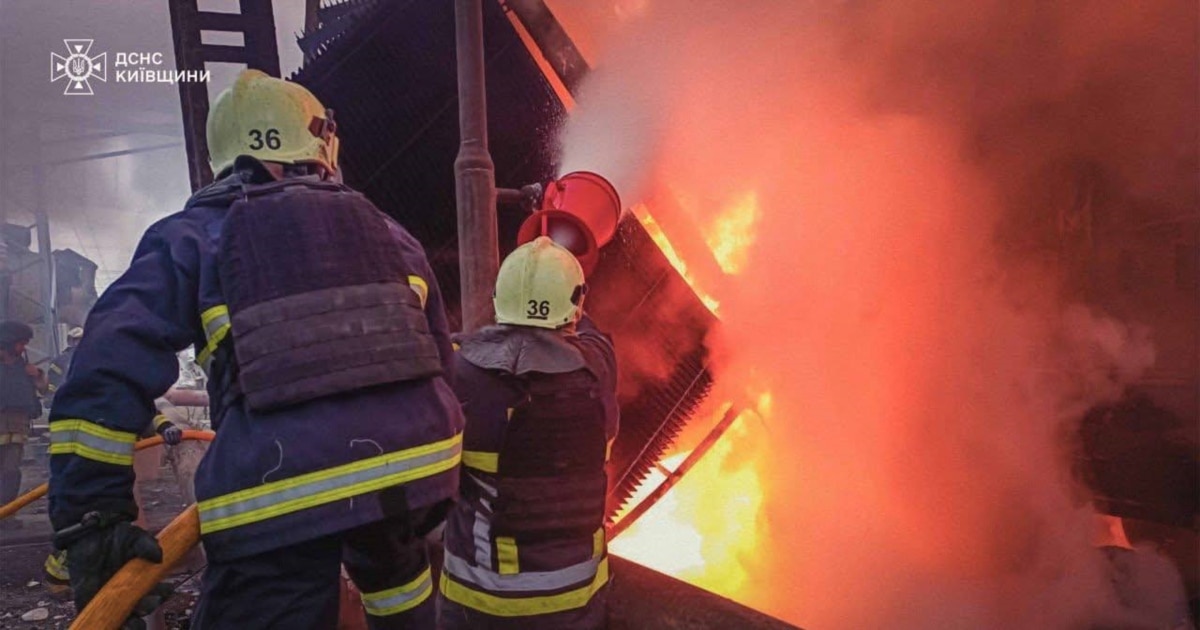
2 months agoDeath toll in Iran surpasses 1,000 as Israel-US strikes continue
Israel conducted extensive air strikes across Iran on the fifth day of conflict, killing over 1,000 people, while Iran's Supreme Leader's funeral was postponed due to ongoing military operations.

World news
fromwww.independent.co.uk
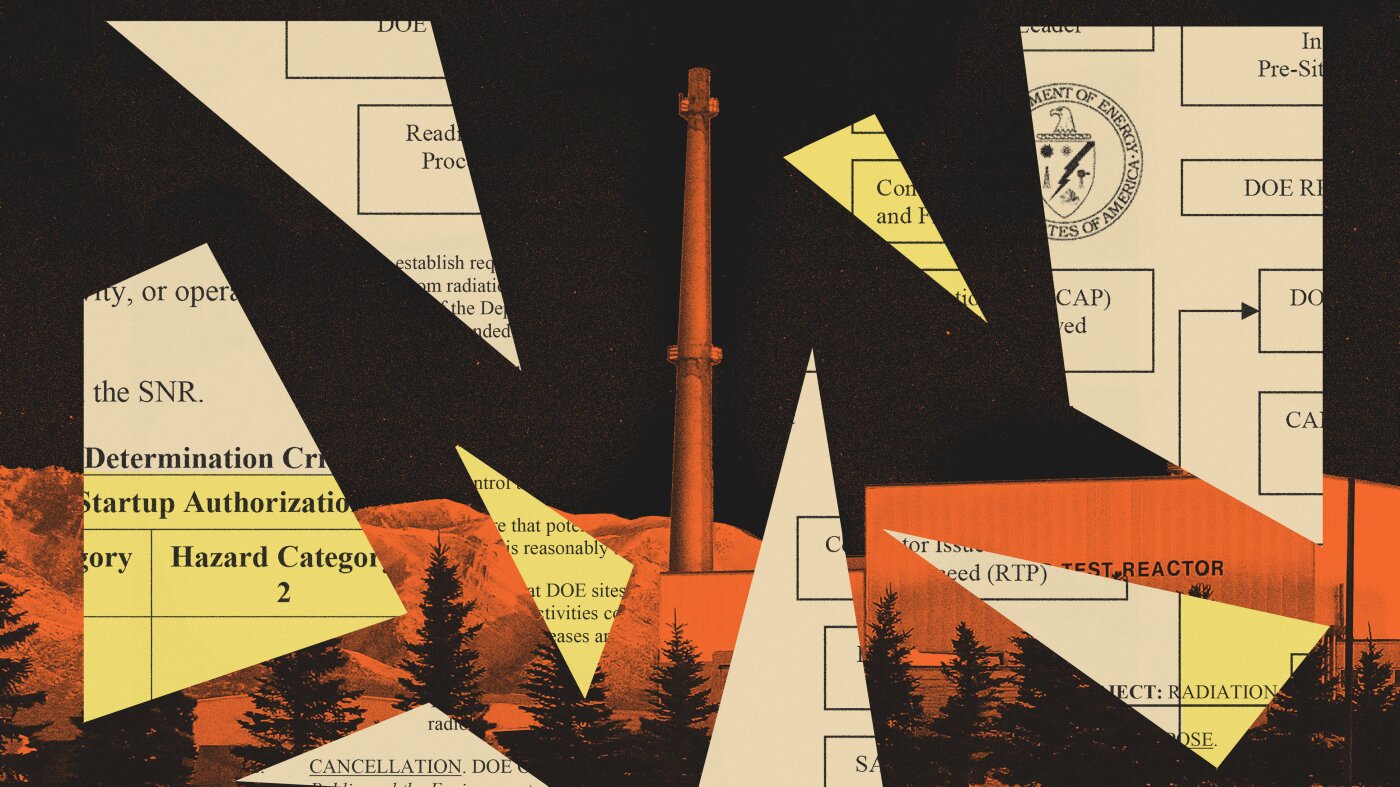
3 months agoUN nuclear watchdog discusses risks to Ukraine's nuclear safety after relentless Russian strikes
The Independent covers major issues across the U.S., funds reporting through donations instead of paywalls, and warns of mounting nuclear safety risks in Ukraine from Russian attacks.

fromwww.theguardian.com
3 months agoJapan pauses restart of world's largest nuclear power plant one day after it went online
The restart of the world's largest nuclear power plant was suspended in Japan on Thursday just a day after it went online for the first time in about 14 years, with the operator saying it does not know when the problem will be solved. The Kashiwazaki-Kariwa plant in Niigata province had been closed since the 2011 Fukushima disaster, but operations to relaunch it began on Wednesday after it received the final green light from the nuclear regulator.
World news
fromwww.dw.com
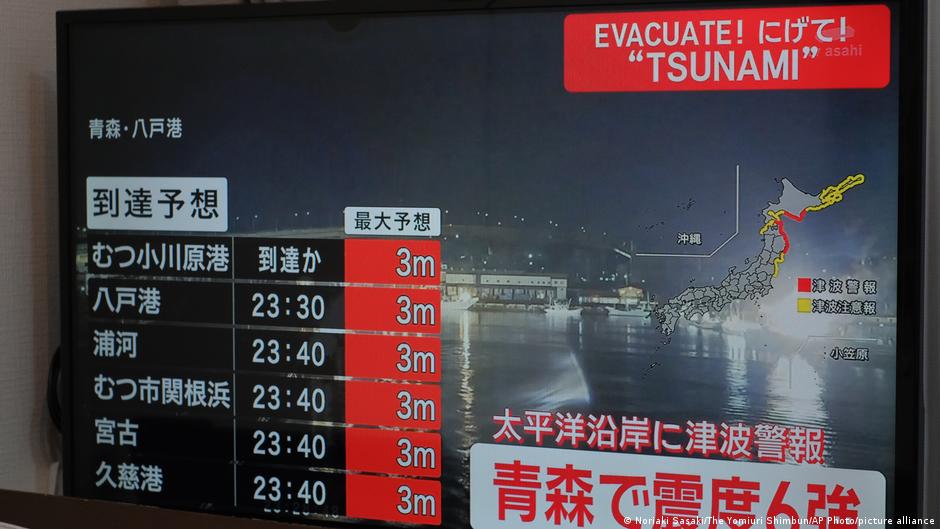
3 months ago6.2-magnitude earthquake jolts western Japan DW 01/06/2026
A magnitude 6.2 earthquake hit western Japan on Tuesday, the country's meteorological agency said. The quake was relatively shallow, the meteorological service said, and struck around 10:18 a.m. local time (0118 GMT). There was no tsunami threat, the agency added. The US Geological Survey measured the quake at magnitude 5.7. The quake occurred in Shimane prefecture in northwestern Japan, impacting the cities of Matsue and Yasugi and nearby areas in Tottori prefecture.
World news





France news
fromThe Local France
5 months ago'World in crisis': France publishes new emergency survival guide
French authorities published a national emergency preparedness initiative urging residents to prepare survival kits and outlining actions for nuclear, cyber, natural disaster, and pandemic scenarios.
Miscellaneous
fromwww.theguardian.com
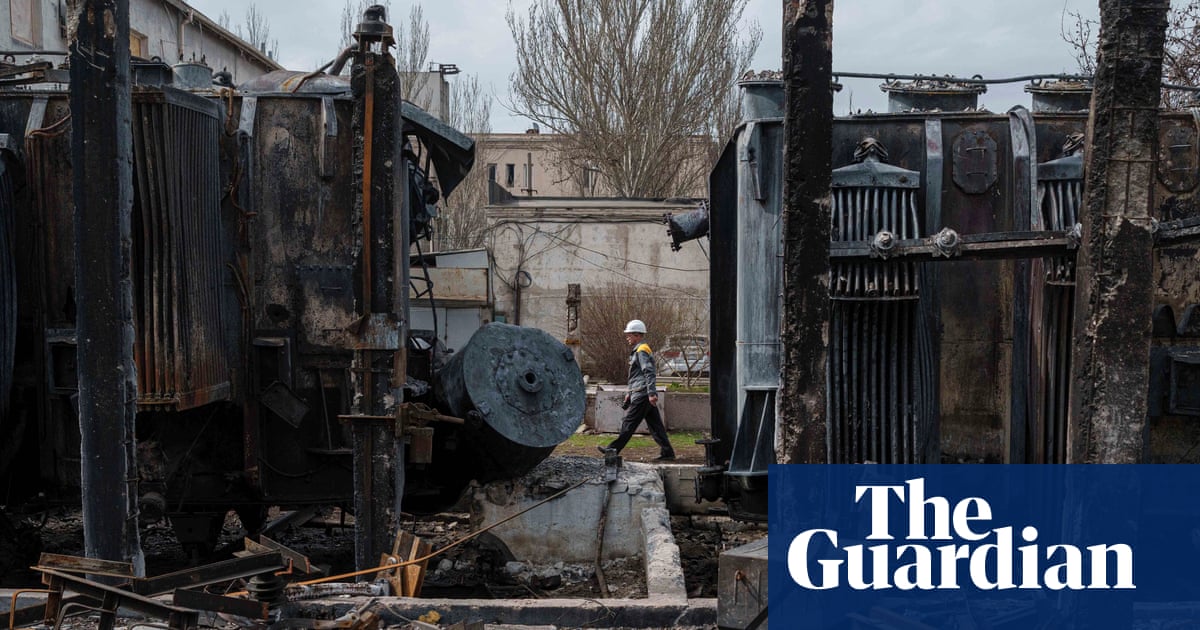
5 months agoUkraine facing widespread power cuts after generating capacity reduced to zero' by Russian attacks
Widespread eight- to sixteen-hour power cuts will hit most Ukrainian regions after Russian attacks reduced the country's generating capacity to zero and disrupted utilities.



fromwww.aljazeera.com
7 months agoRussia-Ukraine war: List of key events, day 1,301
Ukrainian President Volodymyr Zelenskyy said that Russia had launched more than 3,500 drones and nearly 190 missiles against Ukraine so far in September, describing the onslaught as an aerial terror operation. Russian forces carried out a large attack on Ukraine's southeastern city of Zaporizhzhia, killing a 41-year-old man, injuring at least 18 people and triggering several fires, regional Governor Ivan Fedorov said.
Miscellaneous
fromwww.theguardian.com
7 months agoCommunity groups warn against push to rip up' UK nuclear industry rules
A coalition of civil society groups is warning of the dangers of cutting safety regulations as the government pushes to rip up the rules to accelerate the construction of new nuclear power stations. The 25 groups from communities neighbouring nuclear sites have submitted a joint response to a consultation by the nuclear regulatory taskforce, saying its proposals lack both credibility and rigour. They argue that the plans to relax regulations only serve to undermine confidence in regulators and the UK's nuclear regulatory regime.
Environment
Miscellaneous
fromwww.theguardian.com
8 months agoRussia accuses Ukraine of strike on nuclear plant in wave of drone attacks
Ukrainian drone attacks struck multiple Russian regions, damaged an auxiliary transformer at the Kursk nuclear plant, sparked fires, and triggered widespread interceptions and monitoring.
fromArs Technica
10 months agoTrump fires commissioner of preeminent nuclear safety institution
Critics warn that the United States may soon be taking on more nuclear safety risks after Donald Trump fired one of five members of an independent commission that monitors the country's nuclear reactors.
US news

fromwww.theguardian.com
11 months agoWhy does Switzerland have more nuclear bunkers than any other country?
Faced with unrelenting Russian aggression and the simultaneous withdrawal of American military and diplomatic support, European countries across the continent are reinvesting in defence.
Germany news
[ Load more ]