#overground-services
#overground-services
[ follow ]
#transportation #public-transportation #public-transit #new-york-city #public-transport #infrastructure

fromPadailypost
1 day agoCaltrain to close stations if transit tax doesn't pass
"Caltrain and BART would very likely be looking at shutting down passenger service," Deputy Director of Policy Development Melissa Jones said. "In that case, the agencies would be focused on maintenance, trying to secure our assets, keep everything safe while we regroup for the future."
San Francisco
fromwww.amny.com
1 day agoAOC urges Hochul to scrap plan that would widen Cross Bronx Expressway | amNewYork
Ocasio-Cortez emphasized the need to protect the community, stating, 'On behalf of my constituents and nearly 64,000 local residents impacted by this project, I am requesting that your administration reject any plans to expand the Cross Bronx Expressway beyond its current footprint.'
NYC politics
fromBoston.com
3 days agoWhat to know about the MBTA's free and discounted commuter rail plans for summer
"As we prepare for events like the World Cup, MA250, Tall Ships, and for millions of visitors to experience all that Massachusetts has to offer, we want to thank our regular riders that rely on us 365 days a year for your patience and continuing to choose transit during this unprecedented summer."
Boston
fromTime Out New York
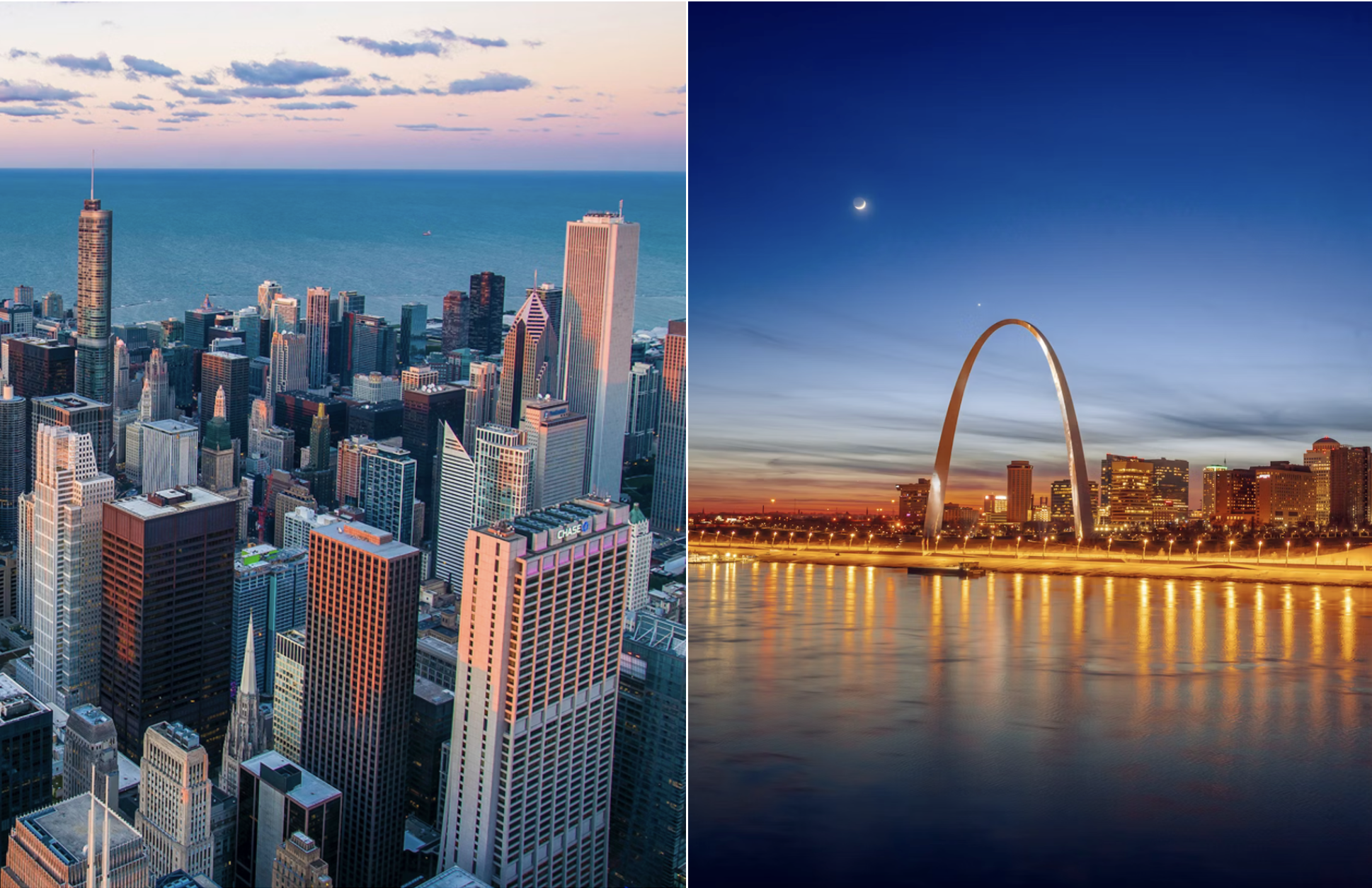
4 days agoHow realistic is it to move Madison Square Garden to fix Penn Station? Here's the not-so-simple answer.
The Grand Penn proposal would move Madison Square Garden across Seventh Avenue, onto or near the former Hotel Pennsylvania site, and use the freed-up space above Penn Station to build a much grander, roomier train hall.
New York Knicks
Business intelligence
fromLondon Business News | Londonlovesbusiness.com
6 days agoWhy GIS matters in modern infrastructure and urban planning: Building smarter, future-ready cities - London Business News | Londonlovesbusiness.com
GIS is essential for effective urban planning, enabling data-driven decisions that enhance infrastructure and quality of life in rapidly growing cities.
fromFast Company
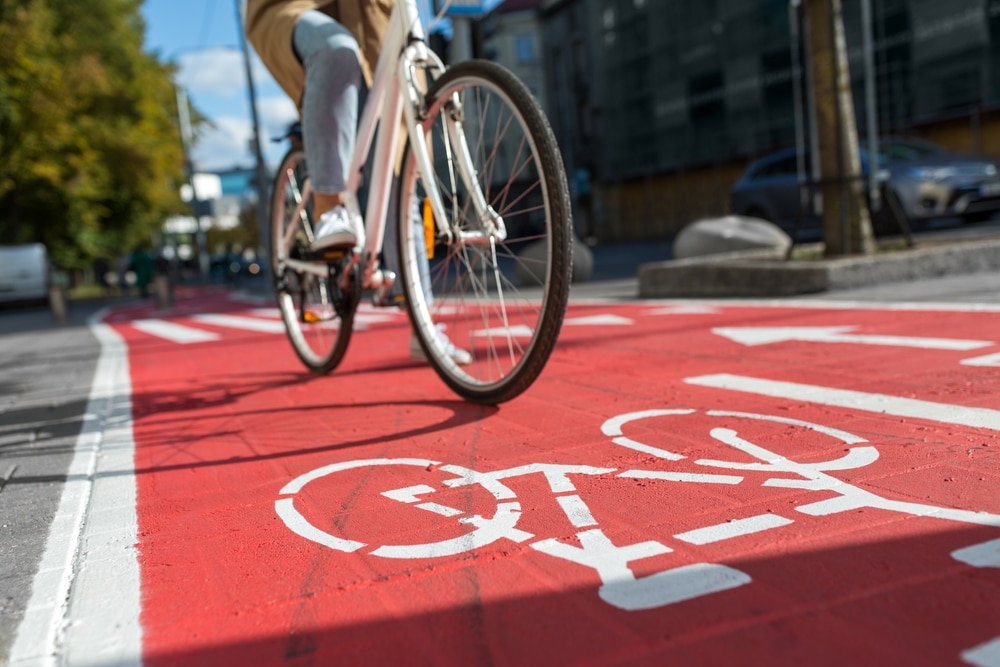
5 days agoHow Paris redesigned itself to be a city of bikes-not cars
"This project is symbolic of what we've done over the last 12 years, reshaping the streets and the city," Christophe Najovski, the city's deputy mayor in charge of green spaces, stated during the opening ceremony.
Paris food
fromianVisits
5 days agoShh... future Crossrail 2 trains beneath Oxford Street expected to be library-quiet
The building, an office block with shops on the ground floor, is at the eastern end of Oxford Street, just north of Soho Square, and sits above the possible route of the Crossrail 2 railway, if/when it is eventually built.
London
#fair-fares
New York City
fromwww.brooklynpaper.com
1 day agoFare fight: Transit advocates push for expansion of Fair Fares program at Sunset Park subway station Brooklyn Paper
Expansion of the Fair Fares program aims to make transit affordable for over 2 million New Yorkers living at or below 150% of the federal poverty level.
fromStreetsblog New York City
2 days agoFriday's Headlines: Margin For Terror Edition - Streetsblog New York City
The first three months of 2026 were among the three safest first-three-month periods since records started being kept at the dawn of the Automobile Age, with only 42 fatalities from car crashes in New York City.
Alternative transportation
fromwww.amny.com
2 days agoTWU's 2-person subway train crew bill would derail progress, good government and business groups tell state pols | amNewYork
The coalition urged State Senate Majority Leader Andrea Stewart-Cousins and Assembly Speaker Carl Heastie to shoot down the TWU Local 100-backed effort to prevent the MTA from expanding one-person train operation to more subway lines.
NYC politics

Alternative transportation
fromSustainable Bus
4 days agoNew certified Ultrafabrics collections target durability and compliance in passenger transport interiors - Sustainable Bus
Ultrafabrics launches new certified collections for passenger transport, combining durability, aesthetics, and sustainability in high-performance upholstery fabrics.
London
fromianVisits
3 weeks agoLondon's weekly railway news
London's rail transport faces multiple challenges including aging infrastructure heat problems, strikes over working conditions, safety incidents, operational disruptions, and service expansion plans across Underground, Elizabeth Line, and mainline networks.
Alternative transportation
fromSustainable Bus
6 days agoZero-emission buses move beyond cities: intercity transition in Sustainable Bus' session at BUS2BUS - Sustainable Bus
Electrification of intercity and coach segments in Europe is advancing, requiring new infrastructure and operational strategies for zero-emission mobility.
fromForbes
1 month agoTransit-Oriented Housing On Track For Continued Growth
Once a nice-to-have niche urban design concept, TOD has become an essential part of many urban neighborhoods. It has helped address the shortage of housing by enabling the development of higher-density residential communities near transit stations. It has helped revitalize countless once-deteriorating or static urban enclaves near transit hubs by activating sidewalks near the developments. And it has spurred walking and transit use, enabling residents of TODs to reduce or eliminate automobile dependency.
Real estate
fromStreetsblog
2 weeks agoOpinion: The Federal Railroad Administration's Proposed Amtrak Restructuring is Worth Considering - Streetsblog USA
While dozens of other countries have delivered fast, modern train networks, we are stuck with a skeletal system built largely on slow, 19th-century alignments. Even developing nations are passing us by. There is growing recognition at the federal level that things need to change, but substantial and comprehensive reform would require an act of Congress.
Alternative transportation
Alternative transportation
fromStreetsblog
2 weeks agoWhy Some Congresspeople Want to Go Big on Greenways - Streetsblog USA
The Parks to People Act proposes $300 million in federal funding for walking and biking infrastructure as essential transportation tools, despite political opposition dismissing them as distractions.
fromStreetsblog
2 months agoPassenger Rail Is Headed for a Reckoning - and the First 90 Days of 2026 Will Decide It - Streetsblog USA
Let's start with the biggest issue on the horizon: the proposed merger of Union Pacific and Norfolk Southern. Yes, the ultimate decision is about a year away. But sides are lining up for and against, and right now, the Surface Transportation Board, which is colloquially known as STB -- the railroads' economic regulator -- is considering the details of how the rules governing that decision will be applied.
US politics
fromArchDaily
3 weeks agoMobility Justice: Urban Equity in an Era of Innovation
Every city contains two transportation systems. One is the visible network of roads, rail lines, sidewalks, and bus routes mapped in planning documents. The other is the invisible geography of privilege and exclusion embedded within it: the neighborhoods that received highways instead of parks, the communities whose bus routes were cut, the sidewalks that abruptly end at the edge of a district.
Alternative transportation
[ Load more ]