#palestine-action
#palestine-action
[ follow ]
#hunger-strike #high-court-ruling #elbit-systems #protest #freedom-of-speech #human-rights #terrorism-act
fromwww.theguardian.com
2 days agoPalestine Action ban created culture of fear', UK appeal court hears
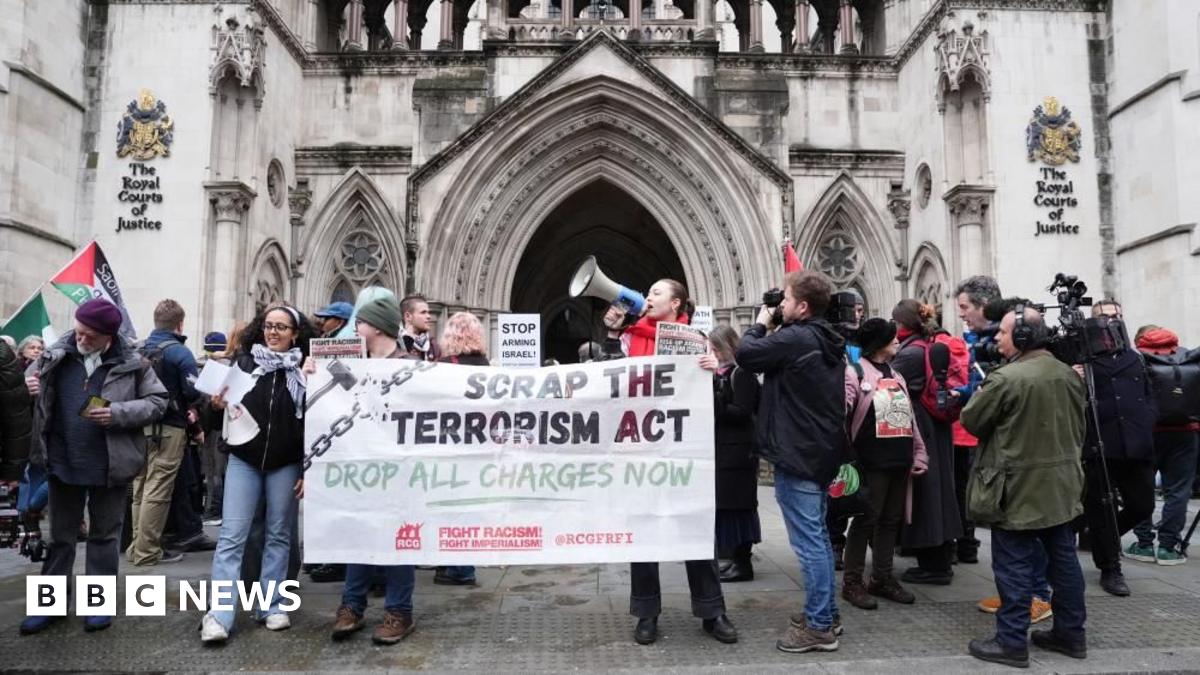
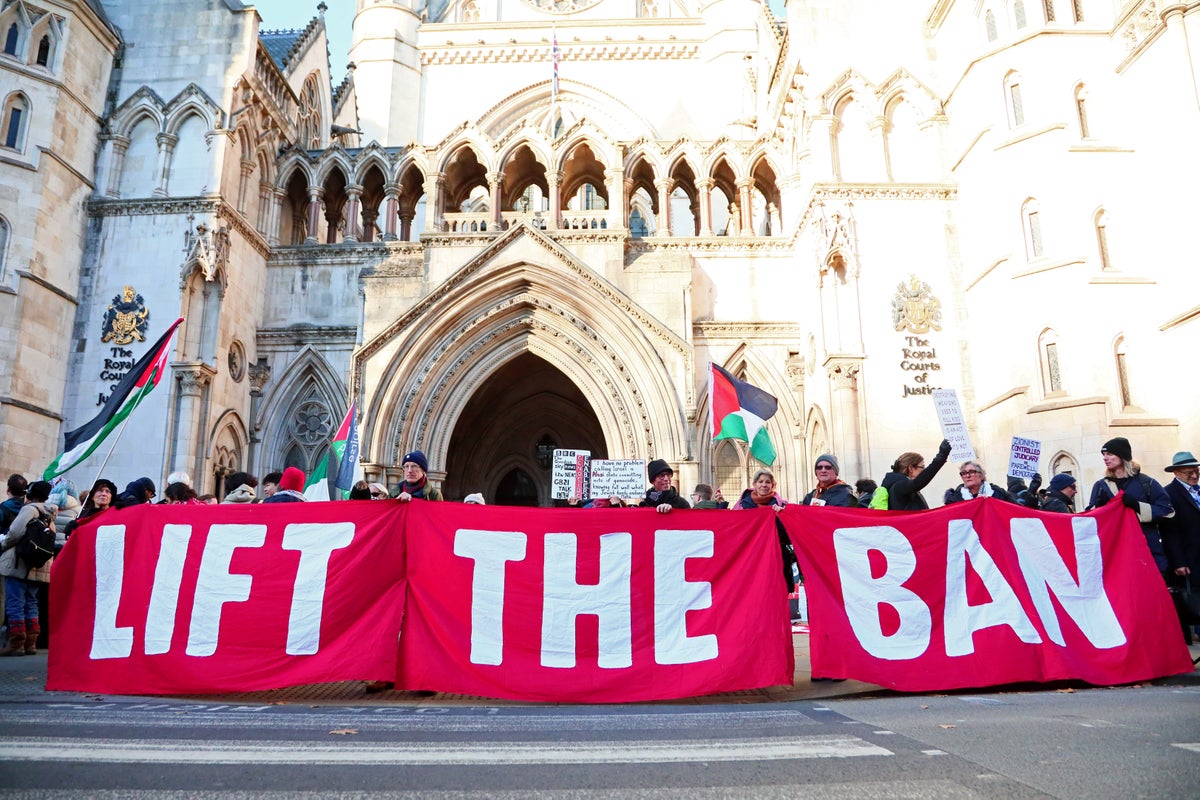
The consequences of [Palestine Action's] proscription are severe. It has caused, as intended, the total destruction of a protest group with considerable popular support, which seeks to prevent atrocity crimes by Israel against Palestinians.
Social justice



fromwww.aljazeera.com
6 days agoSally Rooney, Greta Thunberg back Palestine Action before court date
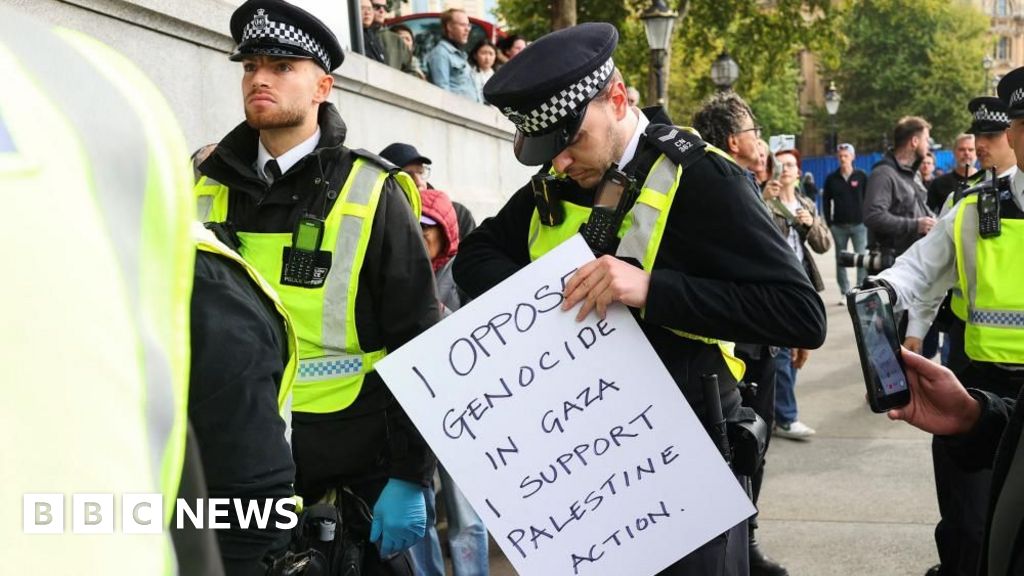
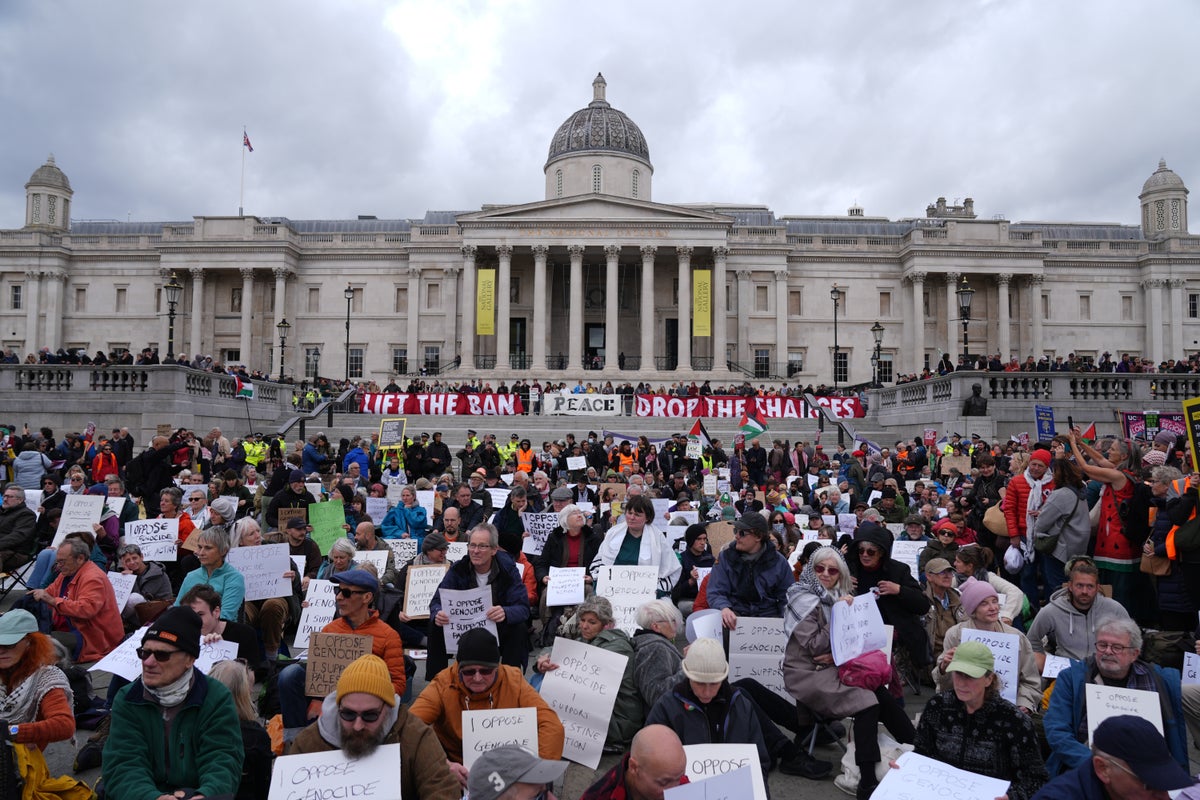
A letter released Friday, bearing 132 signatures and addressed to the UK's Court of Appeal, read: We oppose genocide, we support Palestine Action. The declaration came in advance of hearings scheduled for April 28 and 29, during which the court is slated to hear the government's appeal to uphold its proscription of Palestine Action.
UK news






UK politics
fromwww.aljazeera.com
2 months agoI was so isolated': Pro-Palestine activist attempted suicide in UK prison
Charlotte Head, a Palestine Action-linked activist, spent 18 months in pre-trial detention before being released on bail without conviction, facing restrictions reportedly imposed on activists designated as terrorists.
fromwww.independent.co.uk
2 months agoGovernment allowed to appeal decision Palestine Action terror group ban was unlawful
Three judges dealt a humiliating blow to the government on February 13 when they ruled that the proscription of Palestine Action under terror laws was disproportionate, and that it did result in a very significant interference with the right of freedom of speech and the right to freedom of assembly.
UK news
fromwww.aljazeera.com
2 months agoTwelve Palestine Action activists granted bail
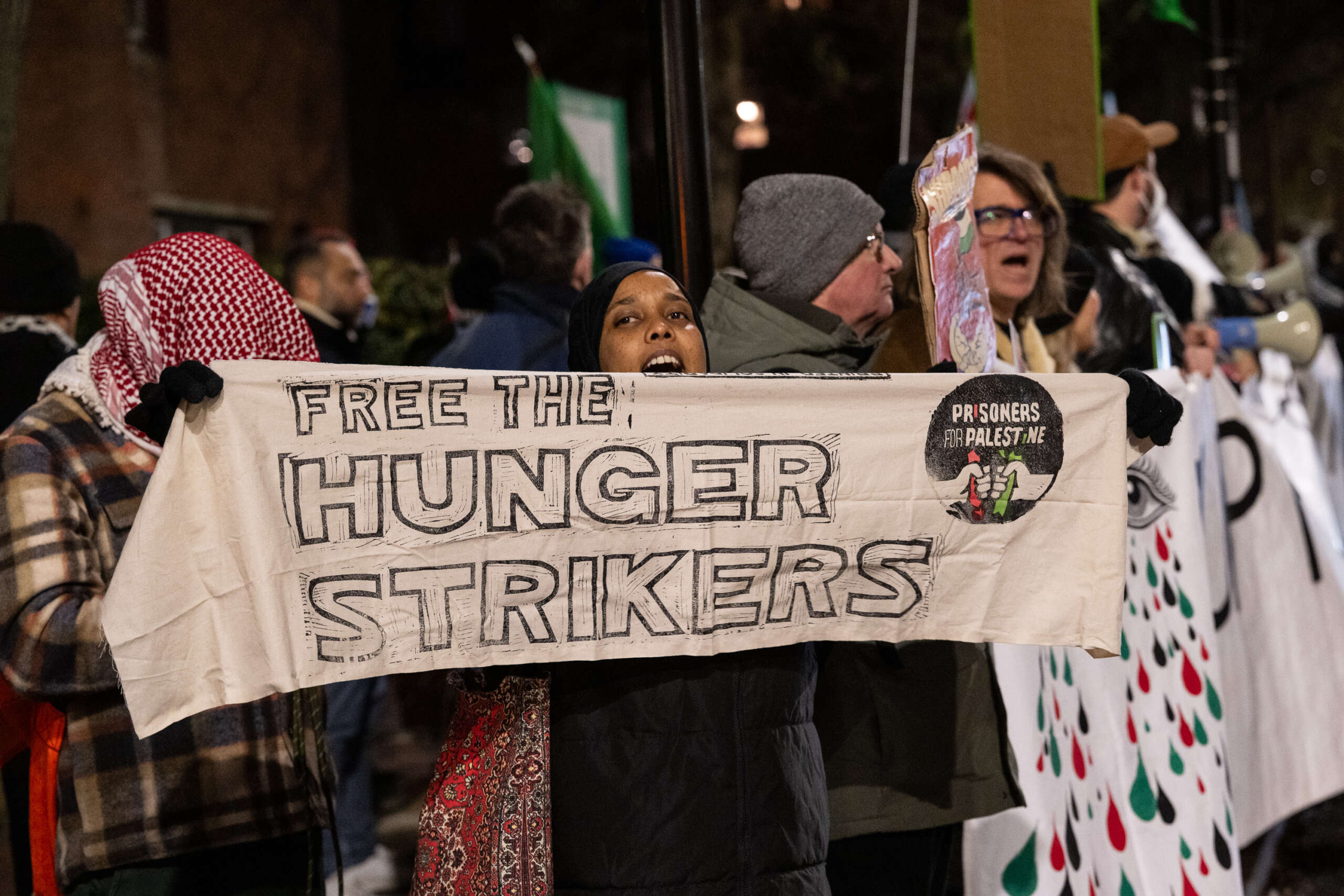
Twelve activists linked to the Palestine Action group who were charged with breaking into the British site of an Israel-linked defence firm have been released on bail. There were tears of joy at London's Central Criminal Court, better known as the Old Bailey, as the 12 prisoners, including hunger strikers Teuta Hoxha, Kamran Ahmed, Qesser Zuhrah and Heba Muraisi, were released on Friday.
UK news
fromwww.independent.co.uk
2 months agoPalestine Action activists face retrial over Israeli defence firm break-in
Six Palestine Action activists will face a retrial on criminal damage charges over a break-in at the UK base of an Israeli defence firm, the Crown Prosecution Service (CPS) has announced. Charlotte Head, 29, Samuel Corner, 23, Leona Kamio, 30, Fatema Rajwani, 21, Zoe Rogers, 22, and Jordan Devlin, 31, are all accused of the raid on the Elbit Systems site near Bristol on 6 August 2024.
UK news












fromwww.theguardian.com
2 months agoPalestine Action activist says jury verdicts were vindication of cause
The verdicts are a reflection of the reality that the first chance that the public had to decide what happened to us, they vindicated us. It is plain to see that the British public do not want their citizens to be scapegoated for this Labour government's political aims, they do not want to be criminalised for supporting a people's inalienable right to freedom, to dignity, and to self-determination.
UK news






UK news
fromwww.independent.co.uk
3 months agoPolice arrest 86 protesters supporting Palestine Action outside prison
Eighty-six protesters were arrested at HMP Wormwood Scrubs after breaching prison grounds and allegedly threatening staff during a demonstration supporting a hunger-striking Palestine Action prisoner.


fromwww.aljazeera.com
3 months agoFive pro-Palestinian activists plead not guilty over UK air base break in
Five pro-Palestinian activists have pleaded not guilty to breaking into a British military air base and damaging two planes in protest against the UK's support for Israel's war in Gaza. The five are accused of breaking into the Brize Norton Royal Air Force base in central England in June and spraying red paint over two Voyager aircraft used for refuelling and transport.
UK politics







[ Load more ]