Remodel
fromApartment Therapy
10 hours agoYou Don't Need a Yard to Start a Garden - Here's What to Do Instead
Container gardening allows for thriving gardens in small spaces with proper tools and diligent watering.
Crushed clean, dry eggshells, when scattered over the soil, are intended to stop adult gnats from laying eggs and potentially add natural fertilizer. However, they merely sit on the surface, collecting dust, while the gnats remain attracted to the damp compost.
Join the San Francisco Environment Department, in partnership with the Yerba Buena Gardens Conservancy and Climatebase, for a day of sustainability, community, and action at the official kickoff event for SF Climate Week.
Bergs Potter takes the cake for me, closely followed by the majolica-like planters at Williams-Sonoma and a few stylish designs from Ferm Living and Pottery Barn. These planters lean home decor over plastic planters, making them weather-resistant, durable pieces even on a wind-whipped balcony or hurricane-sacked home garden.
Countertop gardens allow individuals with limited outdoor space to grow herbs and vegetables indoors, providing fresh ingredients that enhance cooking. They are particularly beneficial in cold climates or during winter months.
More than 30,000 hectares of land are covered in plastic, a geometric labyrinth five times the size of Manhattan, where 3.5m tons of vegetables are produced every year from tomatoes to cucumbers, peppers to courgettes, aubergines to melons, enough to feed half a billion people and generate a turnover of more than 3bn euros.
Around a third of UK gardeners use pesticides, and our studies found that house sparrow numbers, for example, were nearly 40% lower in gardens where the pesticide metaldehyde was used. By reducing pesticide use, you can actively encourage birds back into your outdoor spaces, as they rely on invertebrates such as slugs and snails as natural prey.
"The awesome thing with pulse crops is no nitrogen needs... not having to put any nitrogen on a pulse crop is a great starting point," he says, noting that this allows growers to not only meet PKS requirements but, in some cases, build soil fertility for the rotation.
Garden angelica, Angelica archangelica, belongs to the Apiaceae family, the same botanical group as carrots, celery, fennel, and parsley. Like its relatives, it produces a large, distinctively umbrella-shaped inflorescence, or flower cluster, called umbels. In its first year, the plant forms a lower mound of bright green leaves. In the second, a thick, hollow stem shoots upward and unfurls the broad green flower heads that resemble wild carrot or Queen Anne's Lace.
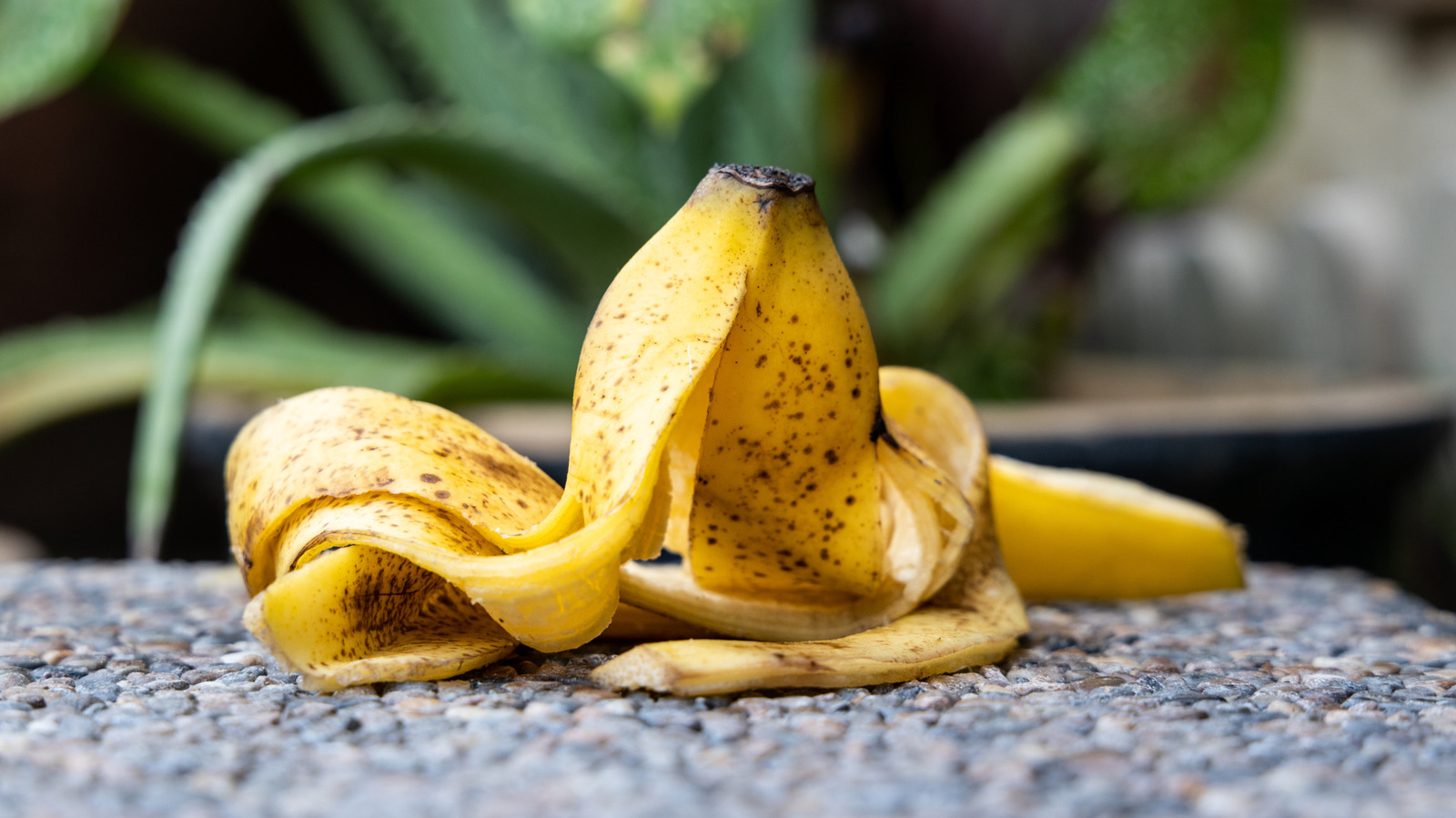
You are not alone: social media is full of claims that soaking banana skins in water makes a fertiliser that will give you bigger leaves and better blooms. The hack Put banana peels in a jar of water, leave them to sit, then pour the liquid on your plants. Bananas do contain potassium and small amounts of other nutrients. The snag is you have no idea how strong it is or what's missing.
Instead of running to the store every time you need a handful of fresh basil (and inevitably letting the rest go to waste in your fridge), having an herb garden of your own allows you to only take what you need. While this in itself is a great sustainable practice, try taking it a step further by starting an herb garden in old plastic fruit containers.
To an unimaginable eye, a seed looks inert. Yet they are packed with genetic information and biological processes poised to unfold. All it takes is the right configuration of signals and stimuli from the environment to let them know it's time to dare to grow.
People grow asparagus from crowns because it shortens the long wait times for harvesting. From seed, you'll need to wait three years before harvesting asparagus. Some people consider that a waste of time. The tradeoff is that you can keep harvesting every spring for up to 15 years or more. If you plant crowns, you get a one-year jump on things. However, those crowns may have soil-borne diseases you don't know about, so there is a risk involved. Seeds remove that problem.
When you think of farming, what ingredients do you generally associate with a successful harvest? The basics certainly come to mind: fertile soil, plenty of sunlight and lots of water. But there are other variables that can also mean the difference between a crop of healthy fruits and vegetables and a large heap of organic waste. And it turns out that one of those variables is a very small hawk.