Skiing
fromwww.theguardian.com
2 days agoDoug Allan obituary
Doug Allan was a courageous wildlife filmmaker known for capturing stunning footage of polar bears and other wildlife in extreme environments.
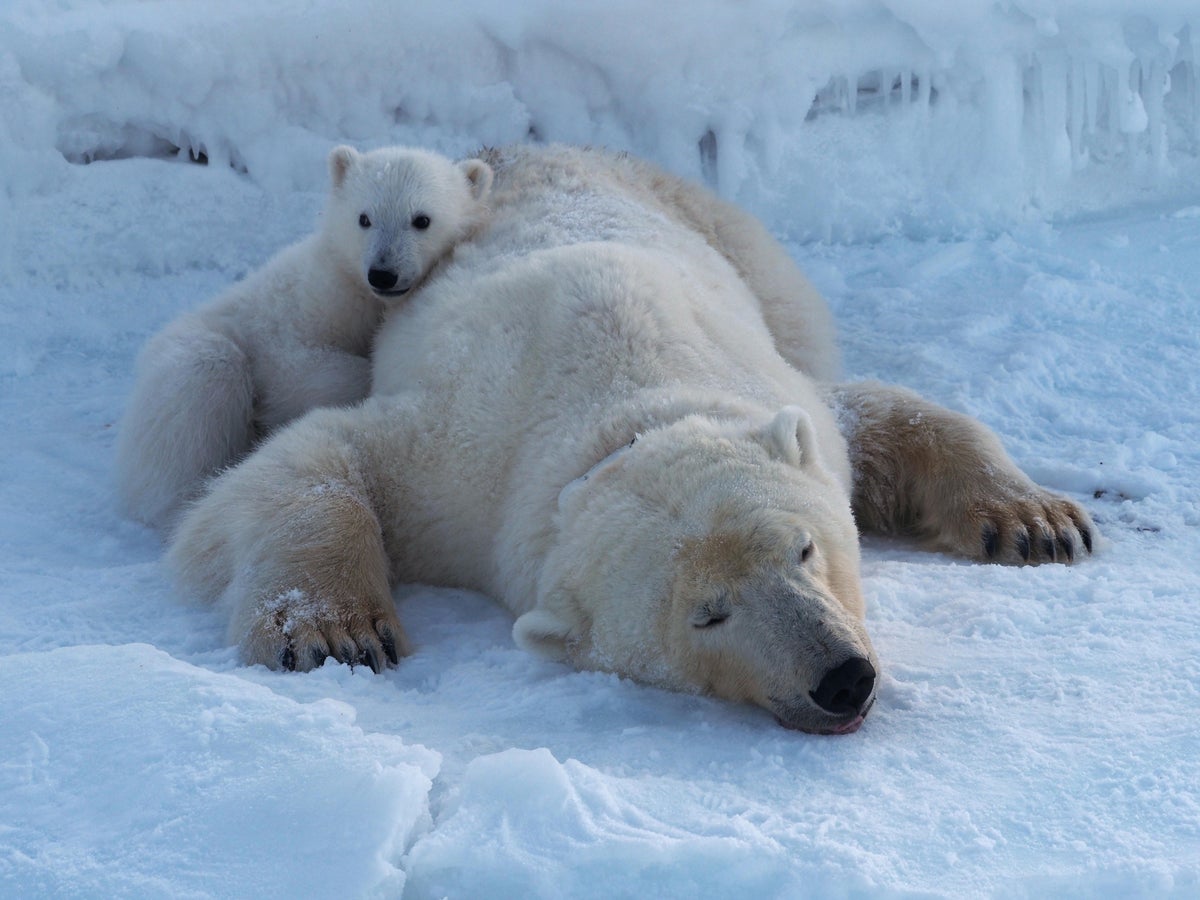
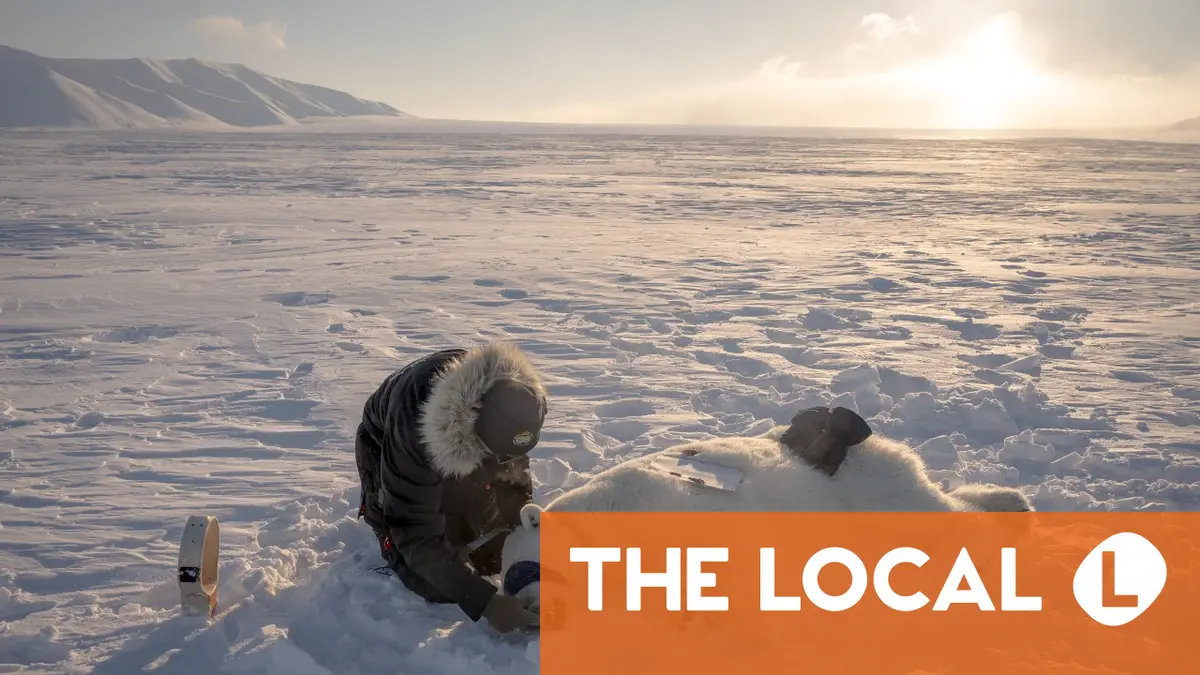
Now scientists at the University of East Anglia have found that some genes related to heat stress, ageing and metabolism are behaving differently in polar bears living in south-east Greenland, suggesting they may be adjusting to warmer conditions. The researchers analysed blood samples taken from polar bears in two regions of Greenland and compared jumping genes: small, mobile pieces of the genome that can influence how other genes work. Scientists looked at the genes in relation to temperatures in the two regions and at the associated changes in gene expression.
Growing up in Canada, I always considered the Arctic part of my backyard, a part of the country's identity and history. So I was overjoyed several years ago when I got what I considered a dream assignment: a week-long voyage through the fabled Northwest Passage, a series of waterways high above the Arctic Circle. I was aboard the CCGS Louis S. St-Laurent, a hulking Canadian Coast Guard icebreaker affectionately known by the crew as simply the Louis.
I was immediately seduced by the silence and the immense landscape. There's something beautiful about it: You feel like a very small person, you're made vulnerable, and you realize you don't mean that much in the world. It was the start of winter and the temperature was 20 degrees below zero, but I couldn't really feel the cold because I was so excited to be part of this journey that I forgot about everything else.