#pompeii
#pompeii
[ follow ]
#archaeology #mount-vesuvius #world-war-ii #pink-floyd #ancient-rome #ancient-graffiti #social-history


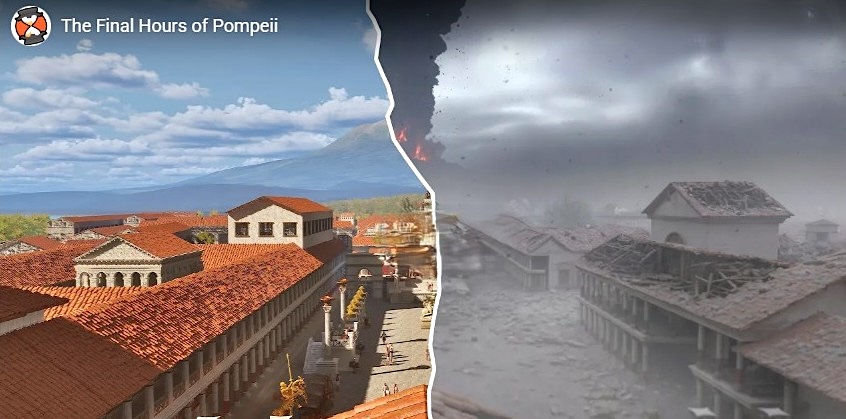
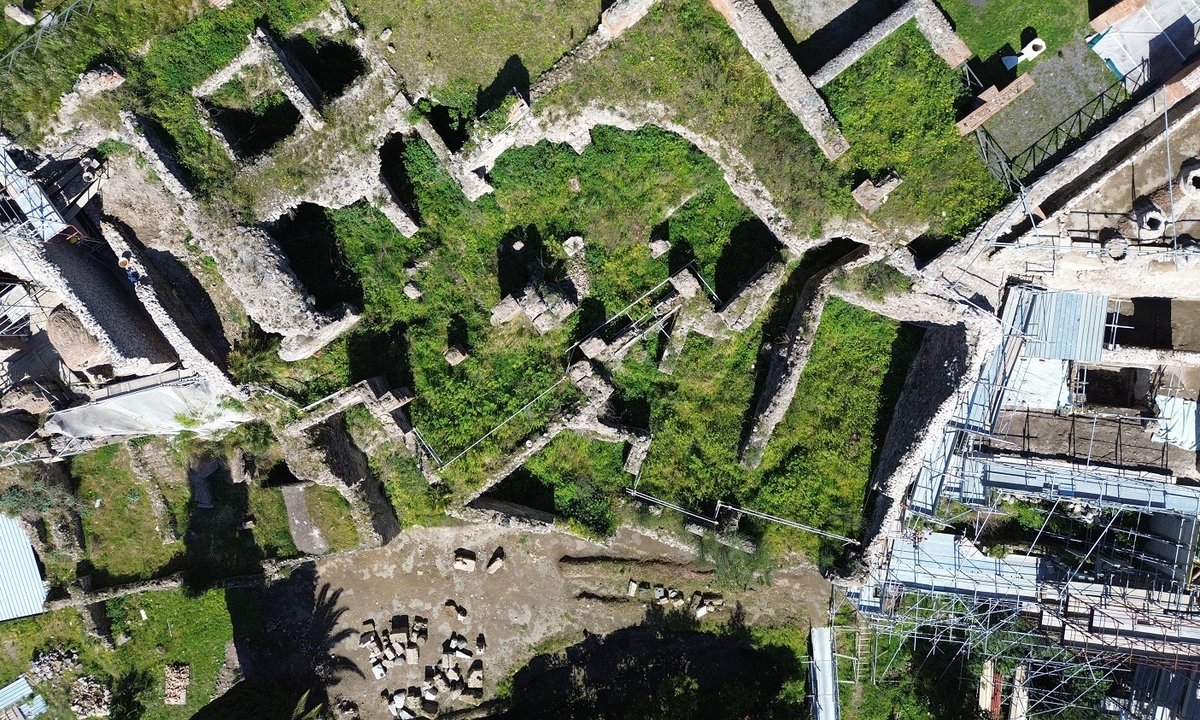

fromwww.scientificamerican.com
1 week agoAncient machine-gun' damage discovered on walls of Pompeii
The marks, which are sandwiched between towers once used to scout for armies and to allow archers and other artillery-throwers to fend off enemy incursions, are arrayed in a way that suggests they may have been left by a repeating dart-thrower called a polybolos.
History
Film
fromThe New Yorker
2 months agoTwo New Documentaries Are Haunted by Unsettling Natural Wonders
Gianfranco Rosi's documentary employs rigorous nonfiction methods similar to Frederick Wiseman, using observational filmmaking without narration to explore Pompeii and environmental change through train journeys around Mount Vesuvius.
History
fromIndependent
2 months agoBill Linnane: My son visited Pompeii on a school trip - but the only thing he learned about the ancient world was how to use a landline
Pliny the Younger witnessed the 79 AD eruption of Mount Vesuvius at age 17 and wrote detailed eyewitness letters that define Plinian eruptions.
History
fromThe Art Newspaper - International art news and events
3 months agoSex, love and gladiators: Pompeii graffiti found in corridor highlights residents' passionate side
Newly deciphered Pompeii graffiti reveal sexual encounters, love notes, insults, gladiator imagery, and multicultural soldiers, illustrating violent, intimate, and cosmopolitan everyday life.
fromArs Technica
3 months agoSwitching water sources improved hygiene of Pompeii's public baths
There were variations in the chemical composition of the deposits, indicating the replacement of boilers for heating water and a renewal of water pipes in the infrastructure of Pompeii, particularly during the time period when modifications were being made to the Republican baths. The results for the Republican baths' heated pools, for instance, showed clear contamination from human activity, specifically human waste (sweat, sebum, urine, or bathing oil), which suggests the water wasn't changed regularly.
History
fromThe Art Newspaper - International art news and events
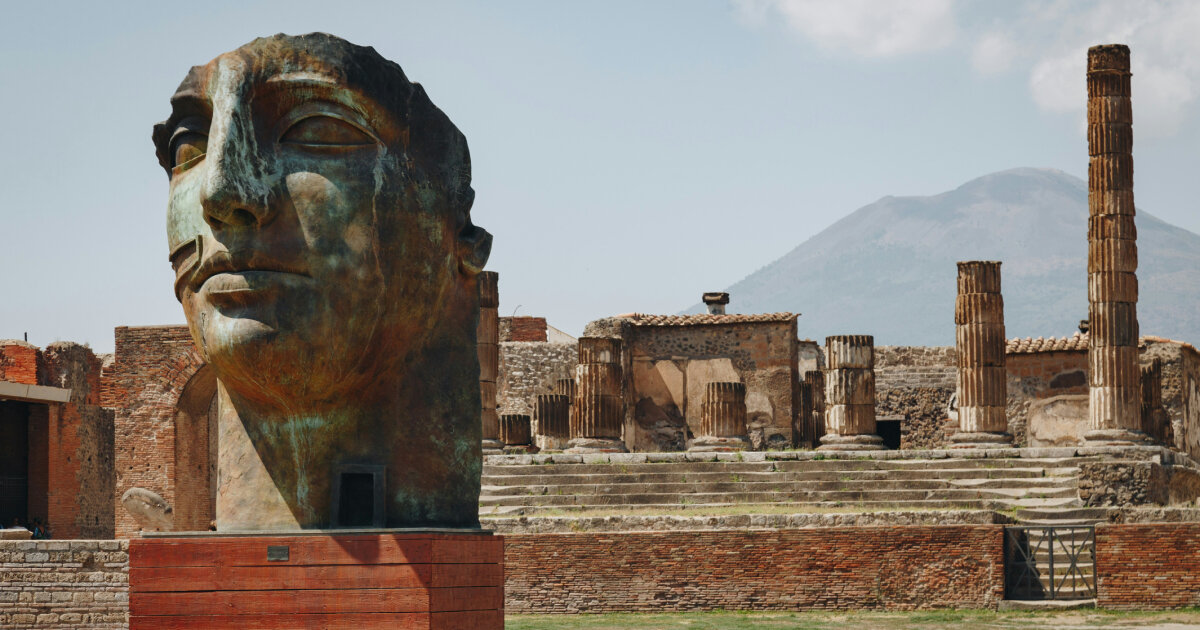
6 months agoFinal piece of Pompeii's Villa of the Mysteries to be revealed
On a map, Pompeii's Villa of the Mysteries looks like an afterthought-a small, distant square, as far away as possible from the ancient city's amphitheatre, where the action was. But the suburban villa, which dates to the second century BC, is the red-hot centre for many who make the pilgrimage here. Its room of celebrated frescoes contains some of the best-known and best-preserved examples of Ancient Roman art.
Miscellaneous
History
fromThe Art Newspaper - International art news and events
6 months agoView from the top: Pompeii's rich and powerful added grand towers to their homes, study suggests
3D reconstructions reveal Pompeii featured multi-level towers, including a 12m tiled tower with internal staircases and panoramic upper dining chambers.



[ Load more ]