#portland-policy-reform
#portland-policy-reform
[ follow ]
#san-francisco #affordable-housing #homelessness #los-angeles #california #real-estate #city-council
#climate-change
Online Community Development
fromInside Higher Ed | Higher Education News, Events and Jobs
1 hour agoA Town-Gown Partnership Focused on Climate Resilience
Agnes Scott College collaborates with Decatur to address climate change through a joint Climate Resilience Plan, focusing on sustainability and community engagement.
#homelessness


Non-profit organizations
fromSan Jose Spotlight
3 days agoSanta Clara County housing funds safe after federal court ruling - San Jose Spotlight
Federal appeals court blocks HUD's attempt to cap permanent housing funds, preserving Continuum of Care grants for homelessness solutions in Santa Clara County.
fromOregon ArtsWatch * Arts & Culture News
1 day agoA Portland Panorama of indie films * Oregon ArtsWatch
On May 2, 2025, arts and cultural organizations across the country received notifications that grants and funding promised by the National Endowment for the Arts were being rescinded. This was part of a larger initiative by the Trump Administration to dismantle not just the NEA, but also other arts advocacy programs including the National Endowment for the Humanities and the Institute for Museum and Library Services.
Portland



fromInvestigative Post
2 days agoInvestigative Post event on reforming Buffalo and NY government.
John Kaehny has written and successfully lobbied for the passage of state and New York City laws related to government transparency and accountability, including the first open data law in the world in 2012.
NYC politics
fromLos Angeles Times
3 days agoEquity advocate turned defendant: Former head of S.F. human rights commission accused of corruption
Sheryl Davis is accused of steering millions of dollars to Collective Impact, a San Francisco-based nonprofit she previously ran as executive director, according to a criminal complaint filed Monday by the San Francisco District Attorney's Office.
Non-profit organizations
fromStreetsblog California
3 days agoBuffy Wicks Pushes Legislation to Cut Red Tape for Transformational Bicycle and Pedestrian Projects - Streetsblog California
"Too often, California makes the best transportation projects fight the hardest for approval. AB 1976 starts to change that by modernizing outdated rules, limiting unreasonable process hurdles, and creating a clearer path to safer, more people-oriented streets," said Marc T. Vukcevich, Director of State Policy, Streets For All.
California
Relationships
fromPortland Monthly
2 weeks agoFrom the Editor: Building Community Isn't Always Fun. Do It Anyway.
Proximity-based community organizing builds solidarity across differences through sustained engagement and shared material goals, fostering understanding that transcends initial disagreements.
fromwww.bbc.com
1 week agoCampaigners celebrate after new town plans dropped
Campaigner Aysha Hawcutt stated that residents were 'not anti-homes', but believed the Adlington plan was 'the wrong proposal in the wrong place'. She expressed pride in the community's resilience against the development threats.
London politics
fromStreetsblog
2 weeks agoWhy This State Is Fighting To Get Its First 'Active Transportation Plan' - Streetsblog USA
Missouri is the most populous state without a statewide active transportation plan, despite nearly one-third of its residents lacking a driver's license and alarming fatality rates among vulnerable road users.
Alternative transportation
SF politics
fromInside Higher Ed | Higher Education News, Events and Jobs
2 weeks agoContext Needed to Understand Portland State U Decisions
Southern Oregon University received emergency state funding for an immediate cash-flow crisis, while Portland State University's proactive restructuring efforts address structural deficits to prevent future emergencies.
fromPortland Mercury
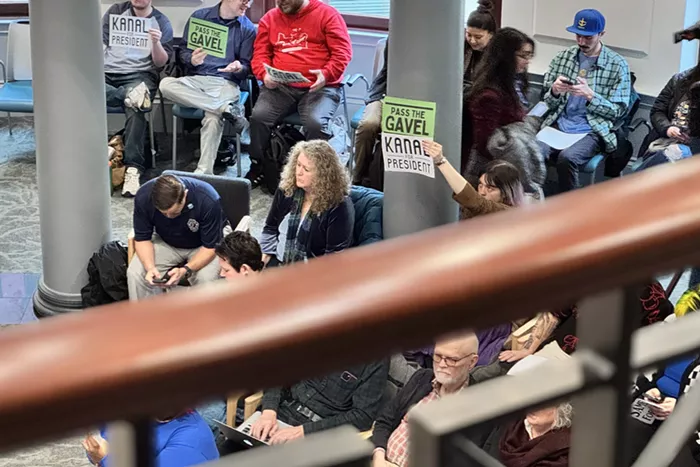
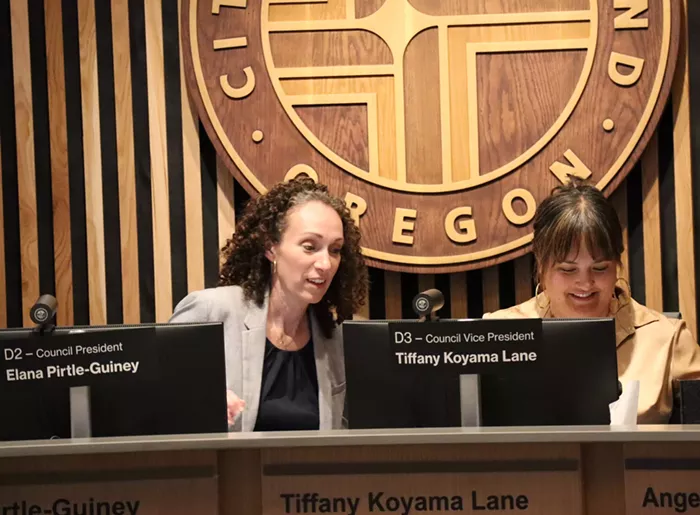
1 month agoPortland City Council Votes To Reshape Its Committee Structure
Portland's transition to a new form of government last January brought new practices and procedures for the City Council. Among the largest changes, impacting both the Council and members of the public, was the introduction of eight policy committees. The committees, which considered topics including transportation, climate, finance, homelessness, and public safety, were intended to provide a focused venue for councilors to introduce legislation and hold conversations on specific topics, as well as to hear public testimony.
US politics
fromPortland Mercury
3 weeks agoTHE BLACK BYLINE: Your Guide to "Portland Nice"-And How to Avoid It
The initial offense could have maintained a shield of plausible deniability- dismissed as an unfortunate use of a common phrase between people when having a misunderstanding. Instead the Duolingo-style apology, in which Nolan noted that they "disrespected [his] heritage," read as cringeworthy; becoming a case study in a common affliction that befalls my hometown-called "Portland Nice™."
Portland
US politics
fromPortland Mercury
1 month agoGood Morning, News: Councilor Wants a Gun at City Hall, No Consequences for Zenith Energy, New Dame D.O.L.L.A. (Sunglasses), and Dude, Where's My Tariffs?
Portland councilor proposed allowing councilors to openly carry firearms after an ICE protest; police union criticized de-escalation; Waterfront Blues returns July 2–4, 2026.
fromPortland Mercury
3 weeks agoFair Transit = Fareless TriMet
We already pay the bulk of the TriMet operating budget through (mostly employment) taxes (49%), federal operating grants (13%), state and local revenue (8%). That's a total of 70% that everybody has already paid—even folks who aren't passengers. Passenger revenue only covers 6% of the TriMet budget.
Portland

Portland
fromPortland Mercury
1 month agoInitiative to Divert Clean Energy Funds to Cops Moves Ahead Under Constrained Timeline
A Multnomah County judge ruled largely in favor of a ballot initiative seeking to divert 25 percent of Portland's clean energy fund to police hiring, though both sides claim victory over the decision.

Portland
fromOregon ArtsWatch * Arts & Culture News
1 month agoReforms coming for controversial Portland Arts Tax? * Oregon ArtsWatch
Portland City Council President Jamie Dunphy plans to reform the Arts Tax after revelations that the city has accumulated approximately $9 million in unspent reserves while small arts organizations face funding cuts.
fromPortland Mercury
2 months ago"Racist, Dehumanizing": Chat Images Show Portland Power Players Disparaging Councilors of Color
Owendoff has had a sizable sway over the city's decision-making for the past 15 years. Through his role as a commercial real estate broker, he's involved in several political and business groups. During Sam Adams's tenure as mayor, Adams appointed Owendoff to a panel focused on planning the future of the Veterans Memorial Coliseum. Owendoff was forced out of a real estate job in 2011 for posting hundreds of caustic comments on the Oregonian website.
US politics
fromPortland Mercury
1 month agoPortland City Administrator Tells Staff ICE Facility Will Remain Open
I will tell everyone we are committed to that facility staying open. A lot of our residents, community members who are seeking federal assistance through immigration have to use this facility, and we want to make sure that facility is still an option for people to be able to use. Because if that facility is closed, people have to go across state lines to actually have those services provided.
Portland
fromPortland Mercury
1 month agoCritics Fear Mayor Could Sabotage New Detention Facility Law
The Portland City Council has tried to intervene by passing a detention center fee ordinance in December 2025. It was intended to address public nuisance impacts associated with detention facilities-particularly those that draw protests-by effectively putting a cost on contamination and health hazards from tear gas and other munitions law enforcement deploys on protesters.
Portland
Portland
fromPortland Mercury
1 month agoMayor's Roundtable Aims to Reinvigorate Central City, With or Without Key Stakeholders
Portland's Central City Roundtable, a public-private partnership formed from Governor Kotek's task force recommendations, aims to revitalize downtown through increased foot traffic, office workers, housing development, and enhanced daytime services.
US politics
fromPortland Mercury
1 month agoFormer City Hall Staffer Files Discrimination Complaints Against Councilor's Office
A former Portland council aide alleges retaliation and wrongful firing after requesting ADA workplace accommodations for a seizure disorder and filed city and state complaints.
[ Load more ]