#protected-areas-connectivity
#protected-areas-connectivity
[ follow ]
#climate-change #biodiversity #conservation #mental-health #urban-ecology #sustainability #wildlife-conservation
fromSlate Magazine
1 day agoProtecting Wild Animals Has Never Been More Urgent. But There's a Reason It Can Be Harder Than It Seems.
The authorities behind the A11 extension decided to build a series of bridges to help bats cross the road. Bats navigate by emitting high-frequency sounds and detecting their echo, and the theory was that bats speeding toward the new road would detect and follow the line of the wire bridge upward and over the road, just as they follow the line of a hedge.
UK news
#biodiversity


Environment
fromNonprofit Quarterly | Civic News. Empowering Nonprofits. Advancing Justice.
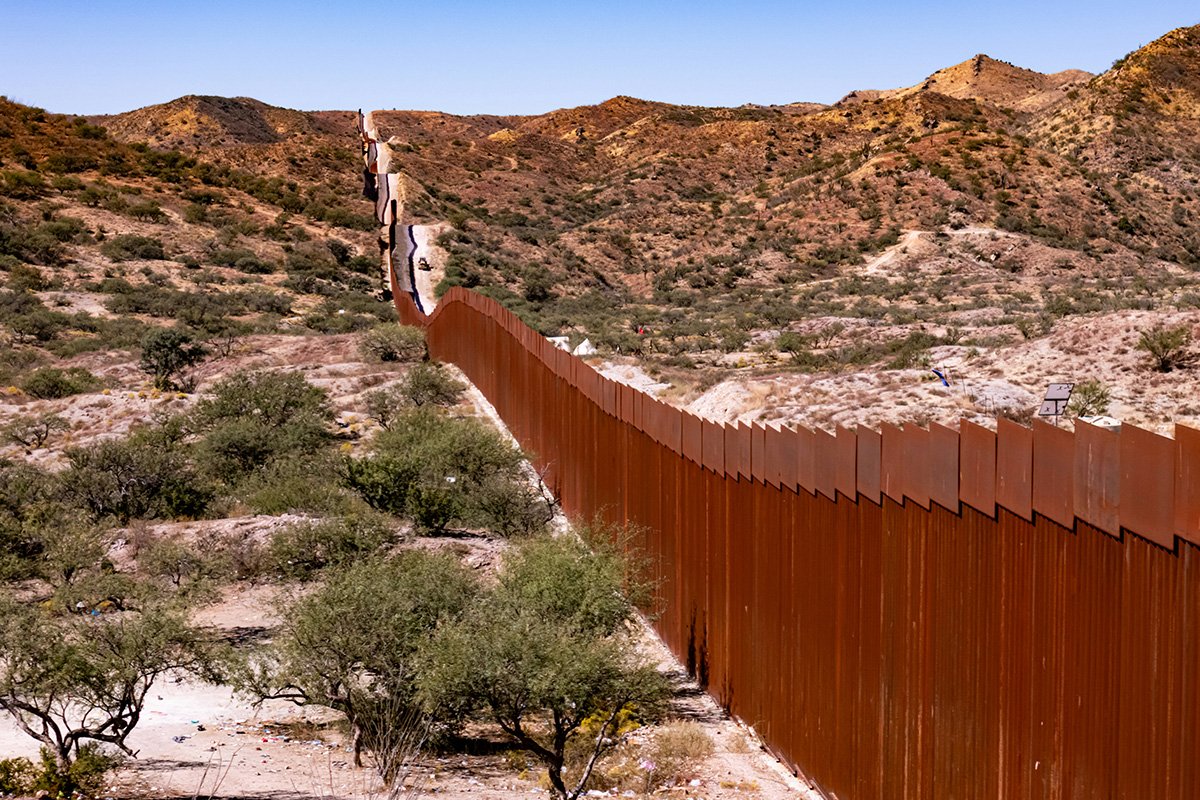
1 week agoIn a Warming World, Border Walls Increasingly Harm Wildlife | Nonprofit Quarterly | Civic News. Empowering Nonprofits. Advancing Justice.
The U.S.-Mexico border wall disrupts critical ecosystems, threatening endangered species and hindering wildlife migration.
Arts
fromThe Art Newspaper - International art news and events
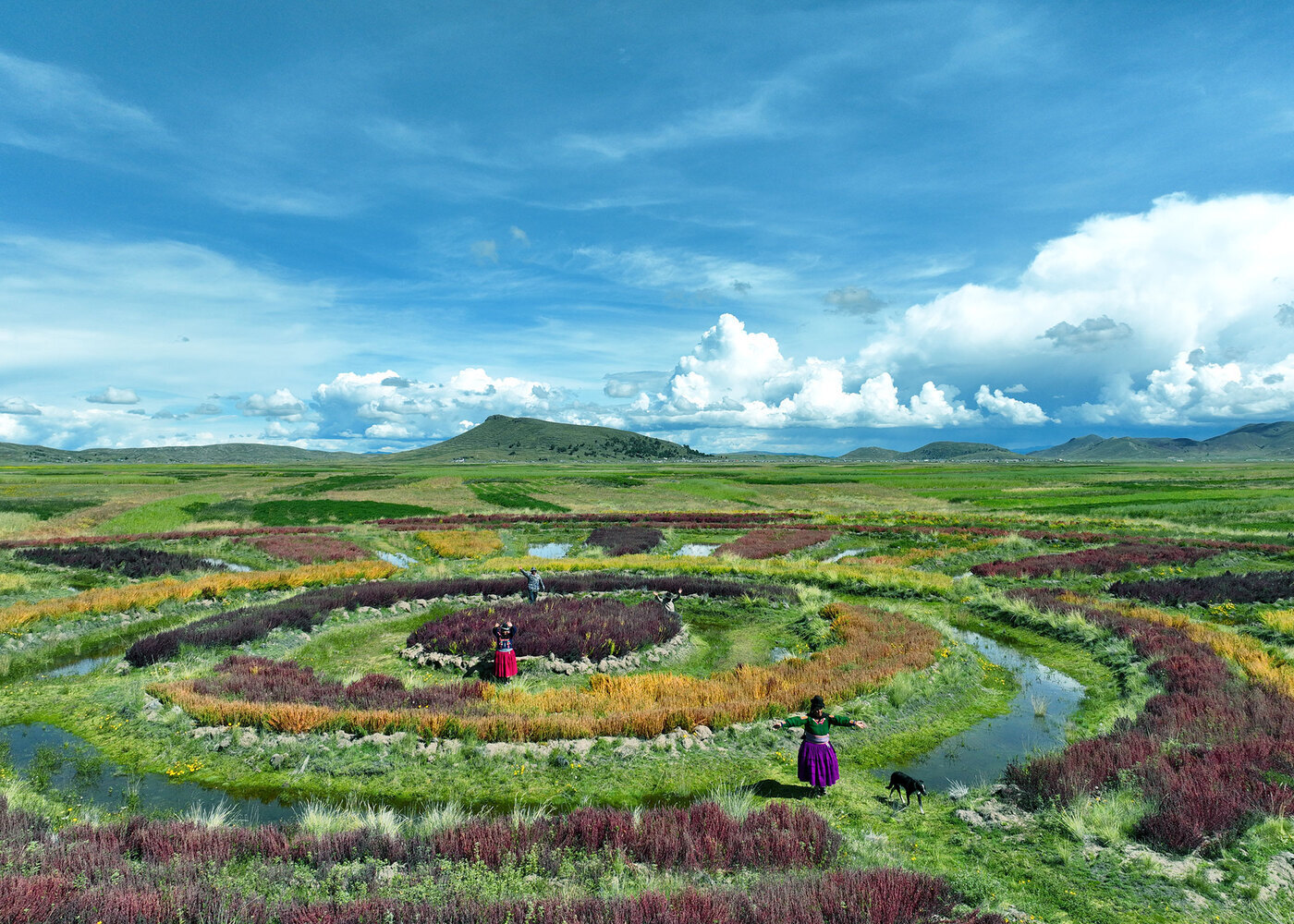
7 hours agoRecent discoveries reveal how natural disasters shaped past civilisations: can it help us plan for the future?
Natural disasters and environmental changes significantly influenced the rise and fall of civilizations, as seen in the case of Pikillaqta.

#conservation
Non-profit organizations
fromNonprofit Quarterly | Civic News. Empowering Nonprofits. Advancing Justice.
1 week agoEarth Day Is for the Planet. What About the People Protecting It? | Nonprofit Quarterly | Civic News. Empowering Nonprofits. Advancing Justice.
Conservationists face moral injury from witnessing environmental harm without adequate support, highlighting the psychological toll of their commitment to protecting the planet.
Non-profit organizations
fromNonprofit Quarterly | Civic News. Empowering Nonprofits. Advancing Justice.
1 week agoEarth Day Is for the Planet. What About the People Protecting It? | Nonprofit Quarterly | Civic News. Empowering Nonprofits. Advancing Justice.
Conservationists face moral injury from witnessing environmental harm without adequate support, highlighting the psychological toll of their commitment to protecting the planet.
fromEast Bay Express | Oakland, Berkeley & Alameda
1 week agoFrom totally harsh to thriving marsh
The transformation of Pacheco Marsh from a scarred dumping ground into a pristine wetland represents a significant achievement in environmental restoration, showcasing the potential for nature to reclaim industrial sites.
Mission District
fromwww.theguardian.com
4 days agoCries of delight' as Sumatran orangutan filmed using canopy bridge to cross road for first time
For two years, the Sumatran Orangutan Society (SOS) and TaHuKah had been watching camera-trap footage of the bridge, waiting for the day that an orangutan would finally cross. After two long years, it's finally happened.
Photography
#urban-ecology
Agriculture
fromdesignboom | architecture & design magazine
1 month agourban rewilding in practice: restoring london's heathland for humans, sheep, and ecology
Sheep grazing is proposed to regenerate urban heathland ecology, creating a continuous ecological corridor that supports both human and non-human systems.
Agriculture
fromdesignboom | architecture & design magazine
1 month agourban rewilding in practice: restoring london's heathland for humans, sheep, and ecology
Sheep grazing is proposed to regenerate urban heathland ecology, creating a continuous ecological corridor that supports both human and non-human systems.
fromwww.bbc.com
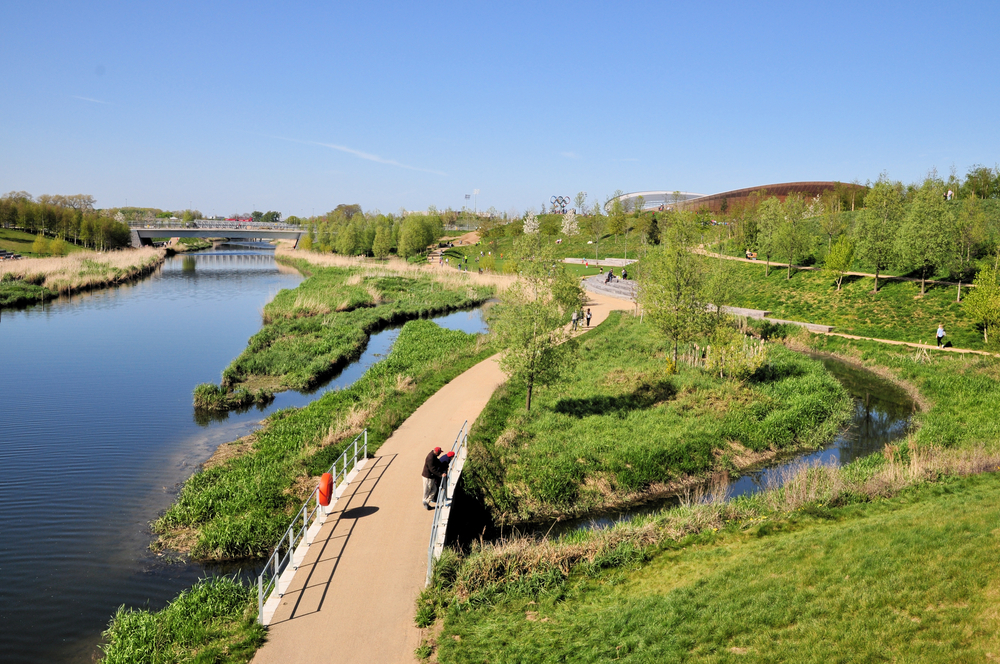
1 week agoCan a nature corridor increase London's biodiversity?
"We started Wild Cities because urban nature must be restored for people, for wildlife, and for the future. A coalition model lets us work at the scale the challenge demands, celebrating communities and helping people and ecosystems become more connected and resilient."
London
fromHigh Country News
2 days agoAs Roadless Rule rollback looms, grassroots hearings take root - High Country News
Joel Jackson described the Tongass as 'the most beautiful cathedral you will ever walk into,' emphasizing its importance to the Kake community and their ancestral ties to the land.
Environment
Agriculture
fromwww.independent.co.uk
2 weeks agoCitizen 'Frog Patrol' helps amphibians survive a dangerous road journey in Poland
The Independent provides critical journalism on various issues, emphasizing the importance of accessible reporting and community initiatives like Frog Patrol for wildlife protection.
Alternative transportation
fromStreetsblog
1 month agoWhy Some Congresspeople Want to Go Big on Greenways - Streetsblog USA
The Parks to People Act proposes $300 million in federal funding for walking and biking infrastructure as essential transportation tools, despite political opposition dismissing them as distractions.
fromwww.theguardian.com
1 week agoEngland wildlife watchdog has stopped designating special sites for protection'
While Natural England dithers and reviews processes, irreplaceable wildlife sites are being trashed, damaged, and even built over. That is not a technical failure, it's a dereliction of duty.
Environment


Non-profit organizations
fromwww.theguardian.com
1 month agoWe cannot replace USAID, but we can do big things': conservation plots a future without American money
Liberia's eco-guard program, funded by USAID, faces collapse after the Trump administration dismantled the agency, threatening forest conservation and wildlife protection in one of Africa's most biodiverse regions.
fromwww.bbc.com
2 months agoSwimming spots that could become designated dips
The government said the plans would increase the number of England's official bathing sites to 464. An official bathing spot on the Thames in London would mark a "vast transformation" in water quality in the river which was declared biologically dead in the 1950s due to pollution, officials said. Water minister Emma Hardy said rivers and beaches were "at the heart of so many communities, where people come together, families make memories and swimmers of all ages feel the benefits of being outdoors safely".
UK news
fromMail Online
4 weeks agoBritain has just 20 years to save its wildlife, experts warn
'Our results show that the next 20 years are critical,' lead author Dr Rob Cooke told the Daily Mail. 'By around 2050, we reach a point where the choices we make on emissions and land use will largely determine whether Britain moves towards a much more degraded or a much more nature‑positive future.'
Environment
Environment
fromwww.theguardian.com
1 month agoEngland should give over 7% of land to nature and renewables to meet environmental targets, data shows
England must allocate 7% of its land to nature, forests, and renewable energy to meet environmental targets while maintaining food production and housing capacity.
fromHigh Country News
2 months agoIt's time to rethink how we care for our public lands and waters - High Country News
Wildlife populations are in decline. Recreation sites are crowded and often underfunded. Wildfires are larger, more destructive and harder to control. Climate change is reshaping natural systems, from ocean fisheries to mountain snowpacks, faster than institutions can respond. At the same time, communities are being asked to host new energy projects, transmission lines and mineral development - often without clear processes, adequate resources or trust that decisions are being made in the public interest.
Environment
Environment
fromSocial Media Explorer
2 months agoEntorno Law and the Role of Public Interest Law in Protecting Communities and the Environment - Social Media Explorer
Public interest law ensures accountability and enforces environmental and consumer protections to safeguard public health, community welfare, and natural resources while promoting sustainability and fairness.
fromwww.theguardian.com
1 month agoAnalysis finds urban areas in England where no one lives within 15-minute walk of nature
While the data shows 80% of people live within walking distance of green or blue spaces such as a river, park or woodland, it also reveals a disparity between rural and poorer urban areas. In some areas of local authorities, fewer than 20% of residents live close to these spaces, according to data released by the Department for Environment, Food and Rural Affairs on Wednesday.
Environment
[ Load more ]