#psychiatric-diagnosis

[ follow ]
fromwww.theguardian.com
1 day ago

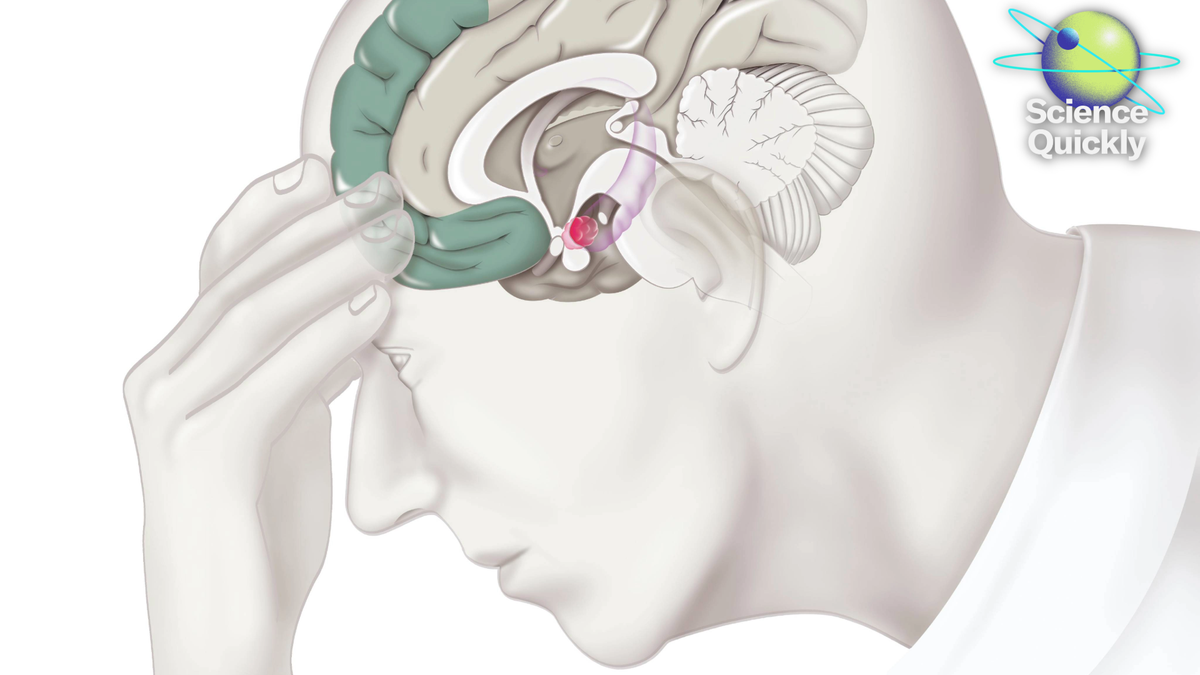
The Divided Mind by Edward Bullmore review do we now know what causes schizophrenia?

In 1973, an American psychologist called David Rosenhan published the results of a bold experiment. He'd arranged for eight pseudo-patients to attend appointments at psychiatric institutions, where they complained to doctors about hearing voices that said empty, hollow and thud. All were admitted, diagnosed with either schizophrenia or manic-depressive psychosis. They immediately stopped displaying any symptoms and started saying they felt fine. The first got out after seven days; the last after 52.
Mental health
fromPsychology Today
5 months ago

You've Been Diagnosed With an Anxiety Disorder. Now What?

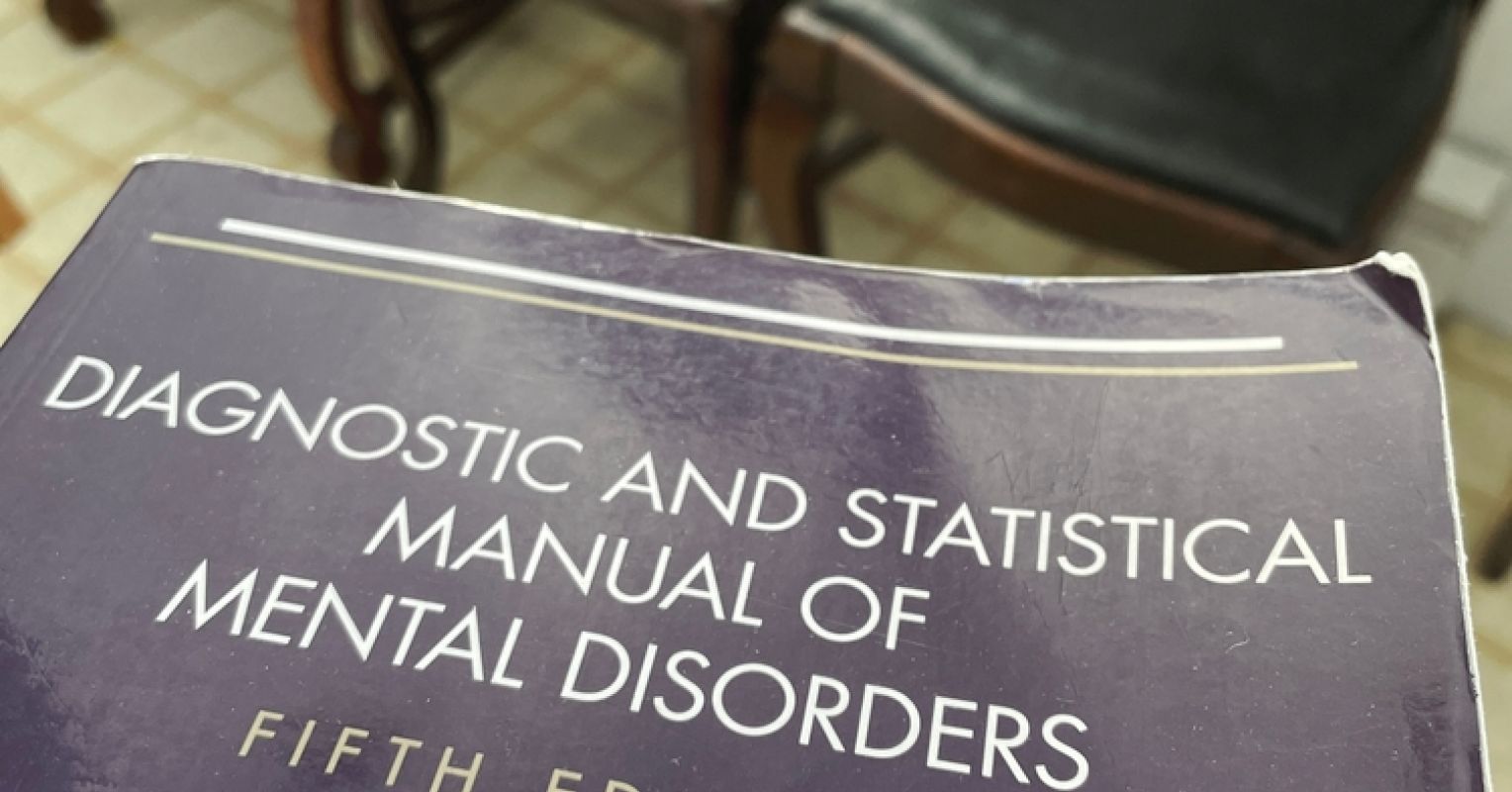
Psychiatric diagnosis is not an exact science-a diagnosing clinician makes their best, most educated guess based upon a patient's reporting of symptoms. It is neither bulletproof nor conclusive, the way an X-ray or an MRI might be. With this in mind, it is important that the diagnosed individual interpret the diagnosis not as their identity, but rather as information for proceeding. Instead of 'I am anxious,' we might change the language to sound something like, 'I experience anxiety.'
Mental health
fromPsychology Today
6 months ago

The Shrink at a Dinner Party

The Goldwater Rule emerged from the backlash against psychiatrists diagnosing public figures without examination, highlighting the need to maintain ethical boundaries in mental health assessments.
Mental health
Mental health
fromPsychology Today
8 months ago

Relational Minds: Diagnosis and the Fallacy of Internalism

Mental disorders arise in interpersonal contexts, not within individuals.
Freudian models of psychopathology are outdated and flawed.
Psychiatric diagnoses can be detrimental, emphasizing the need for relational approaches.
[ Load more ]