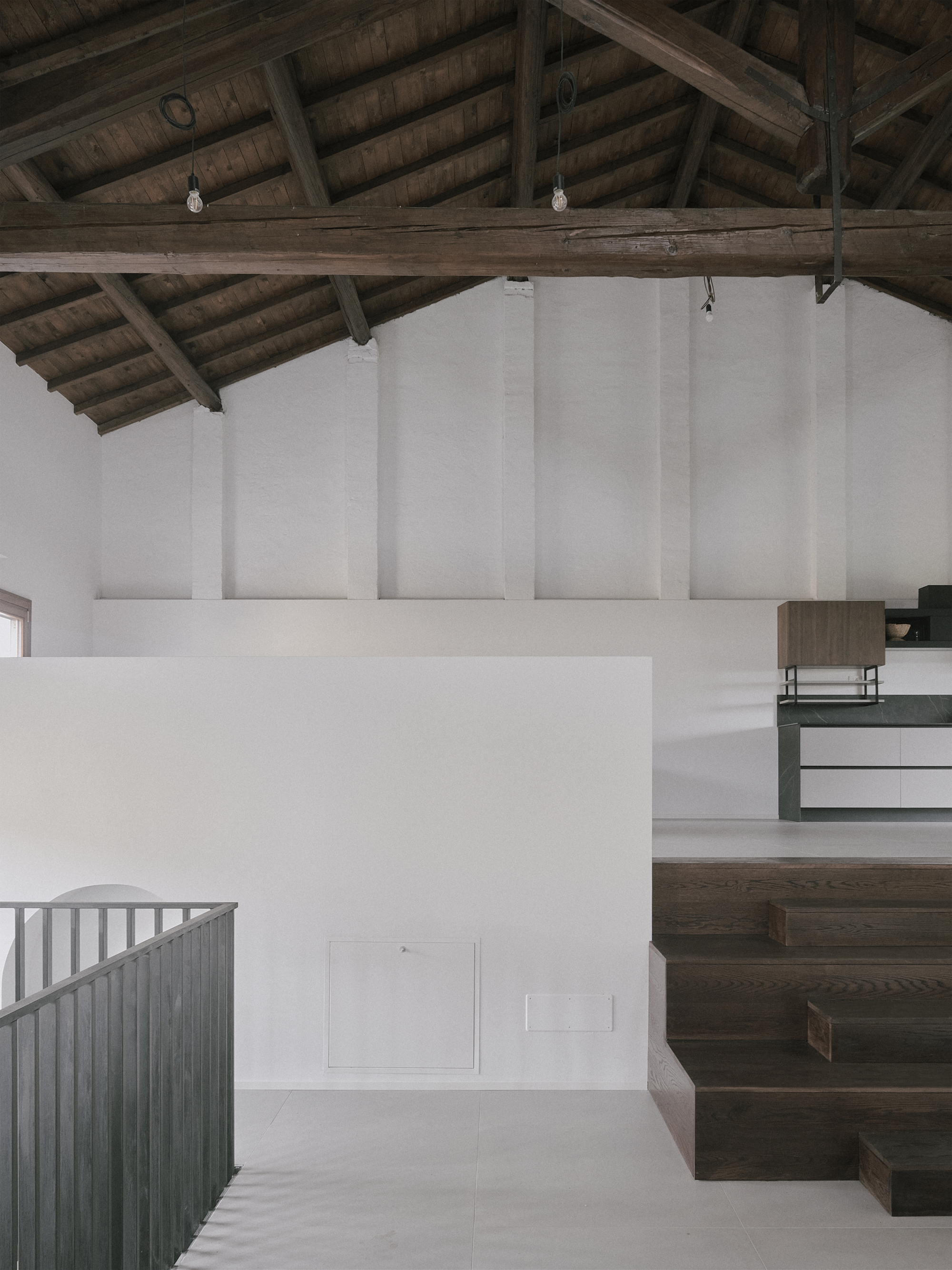
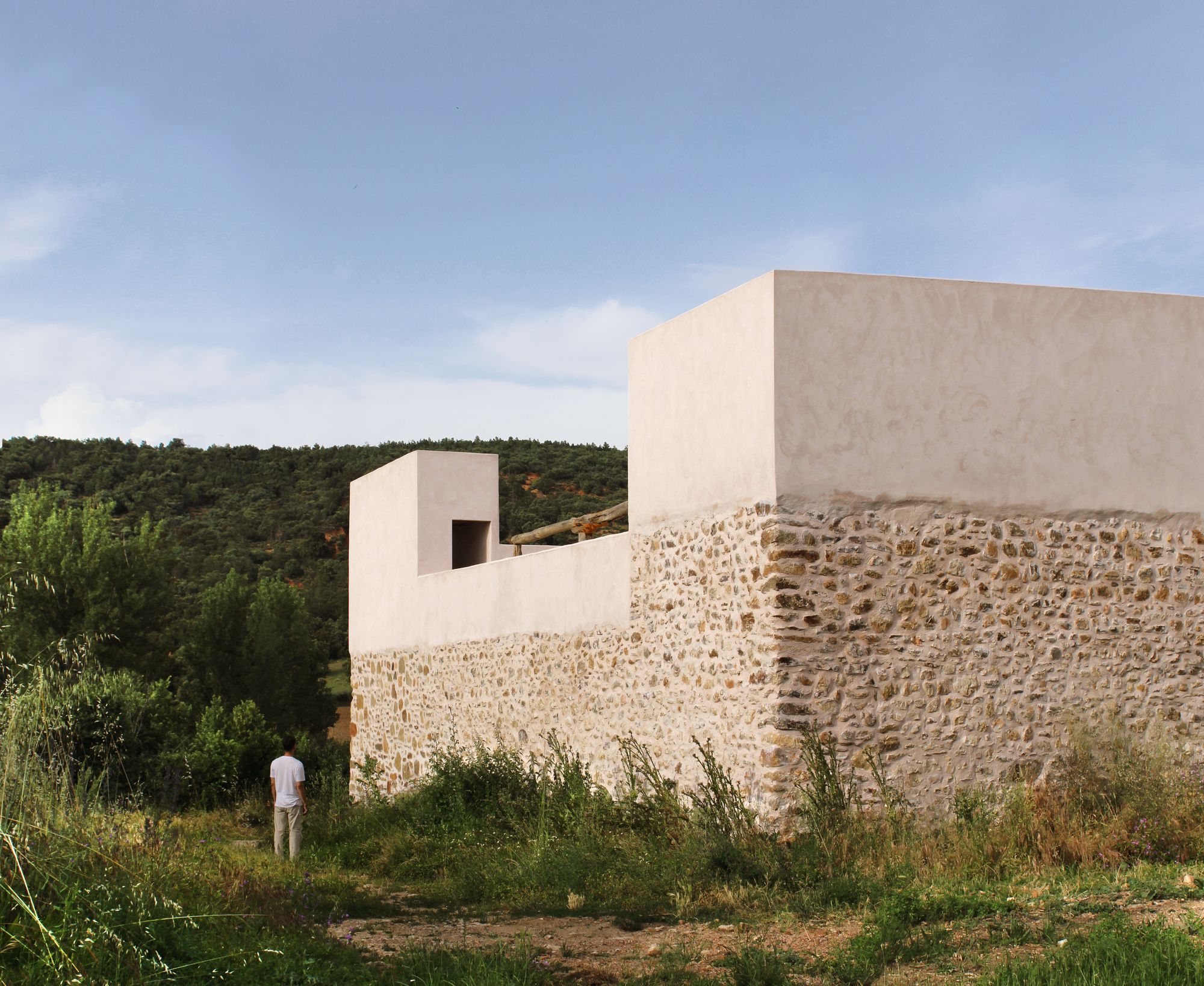
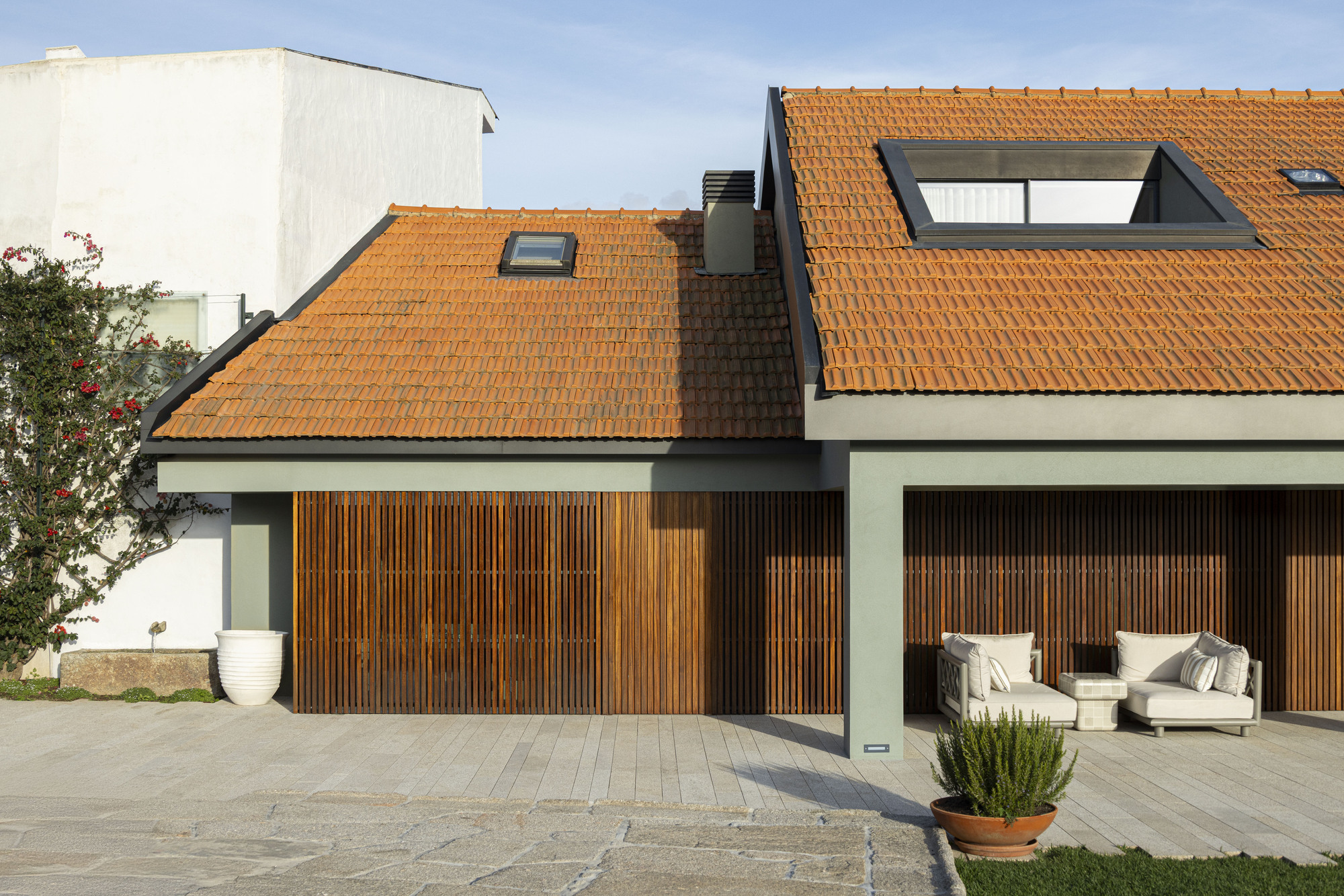
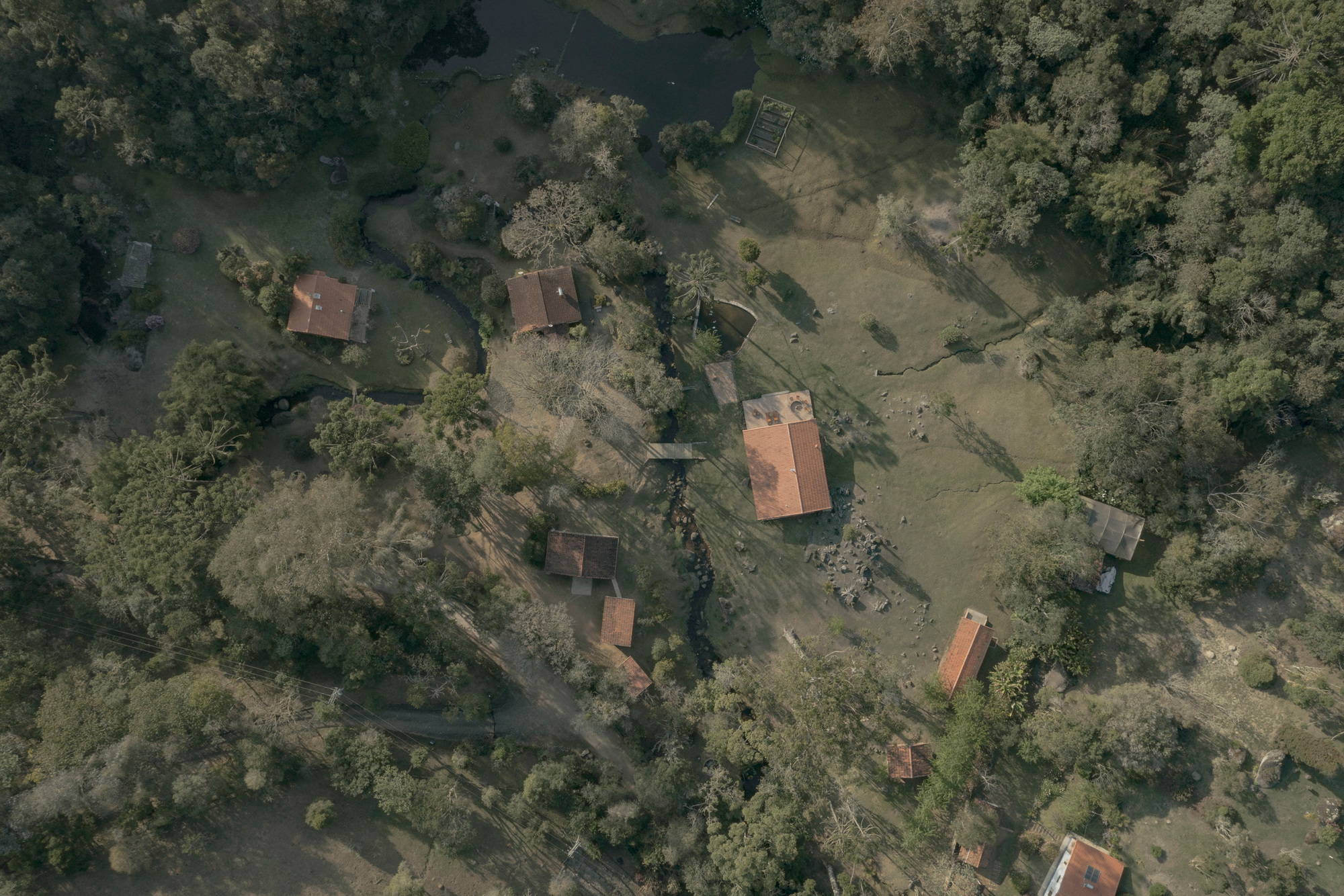
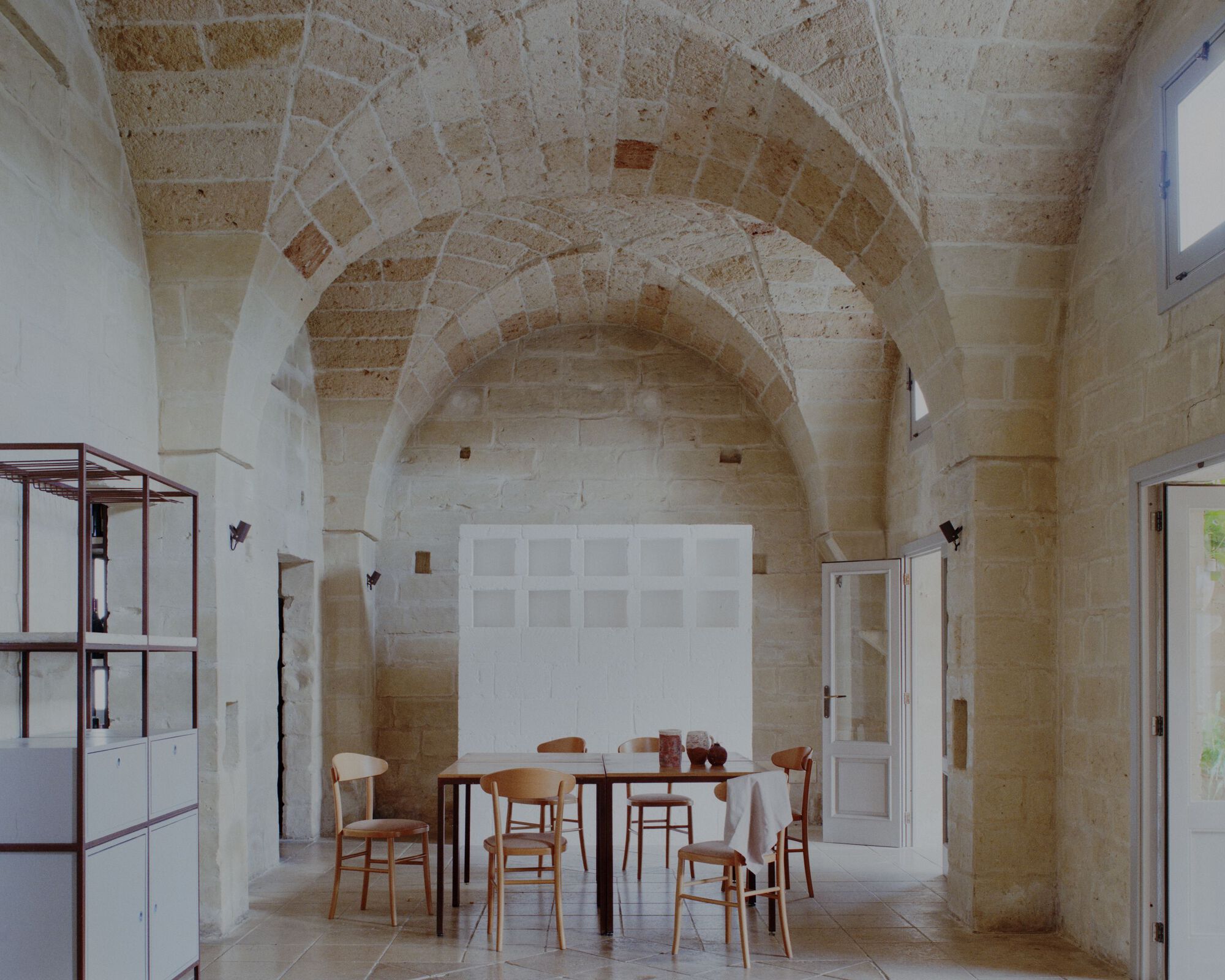
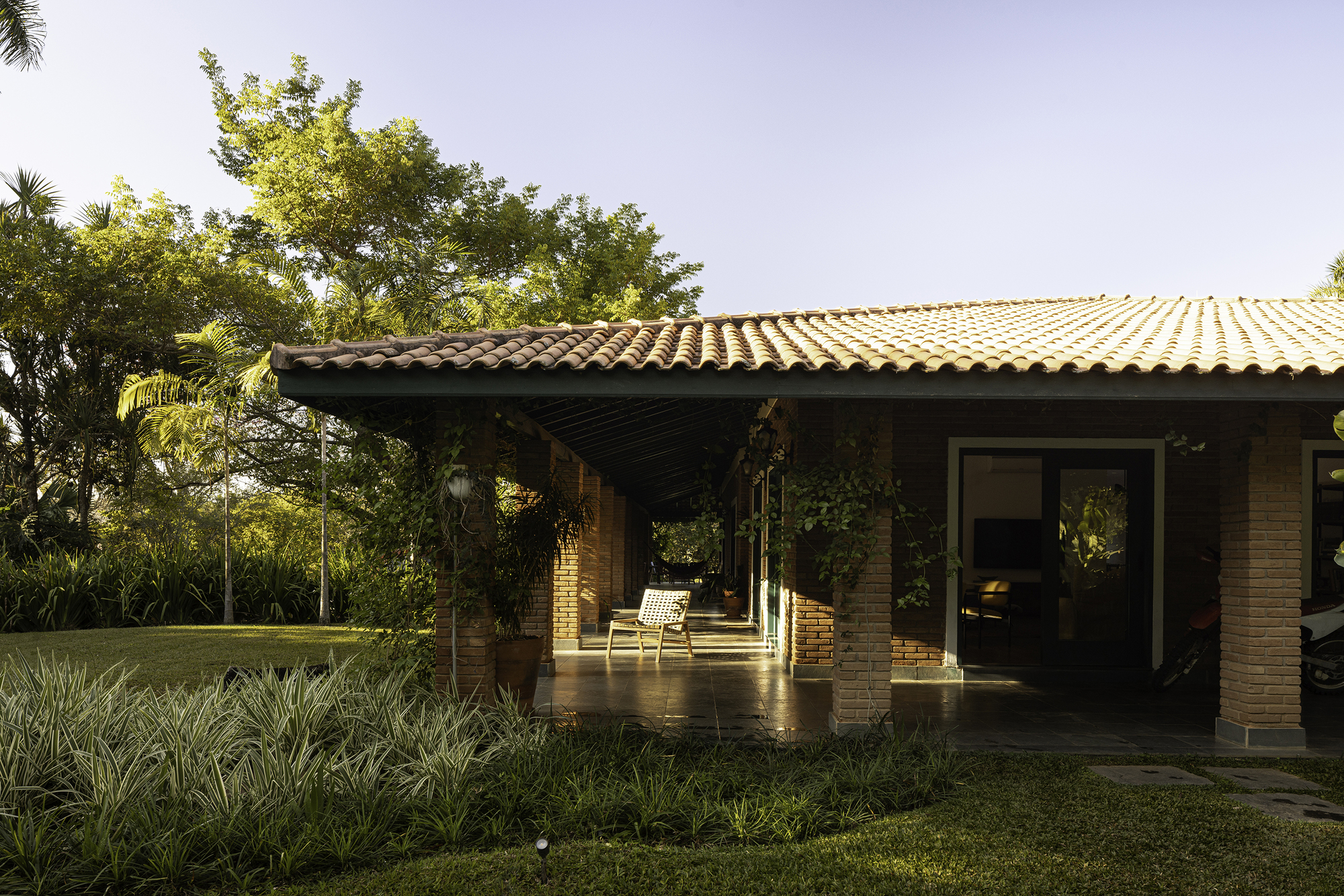
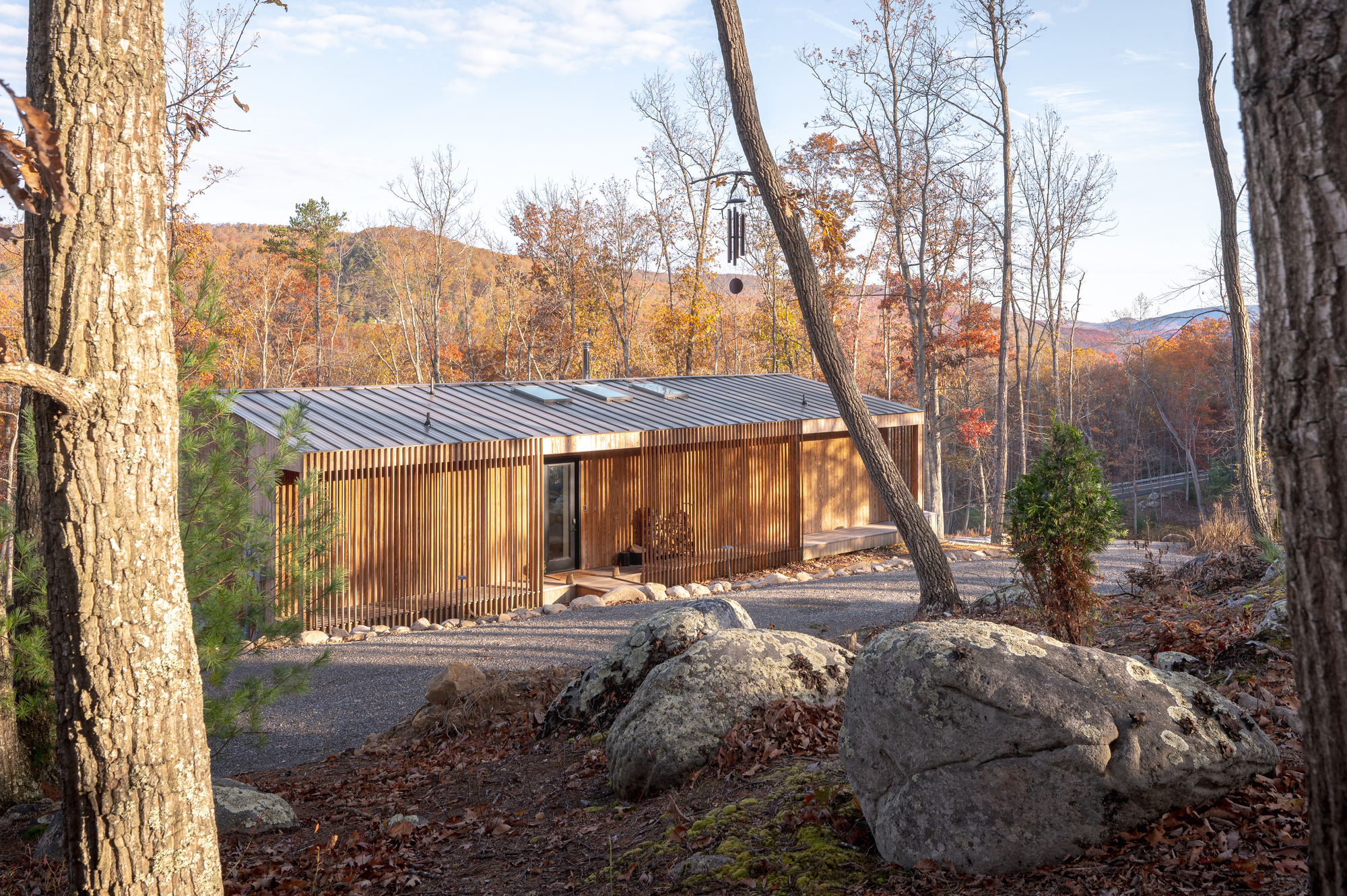
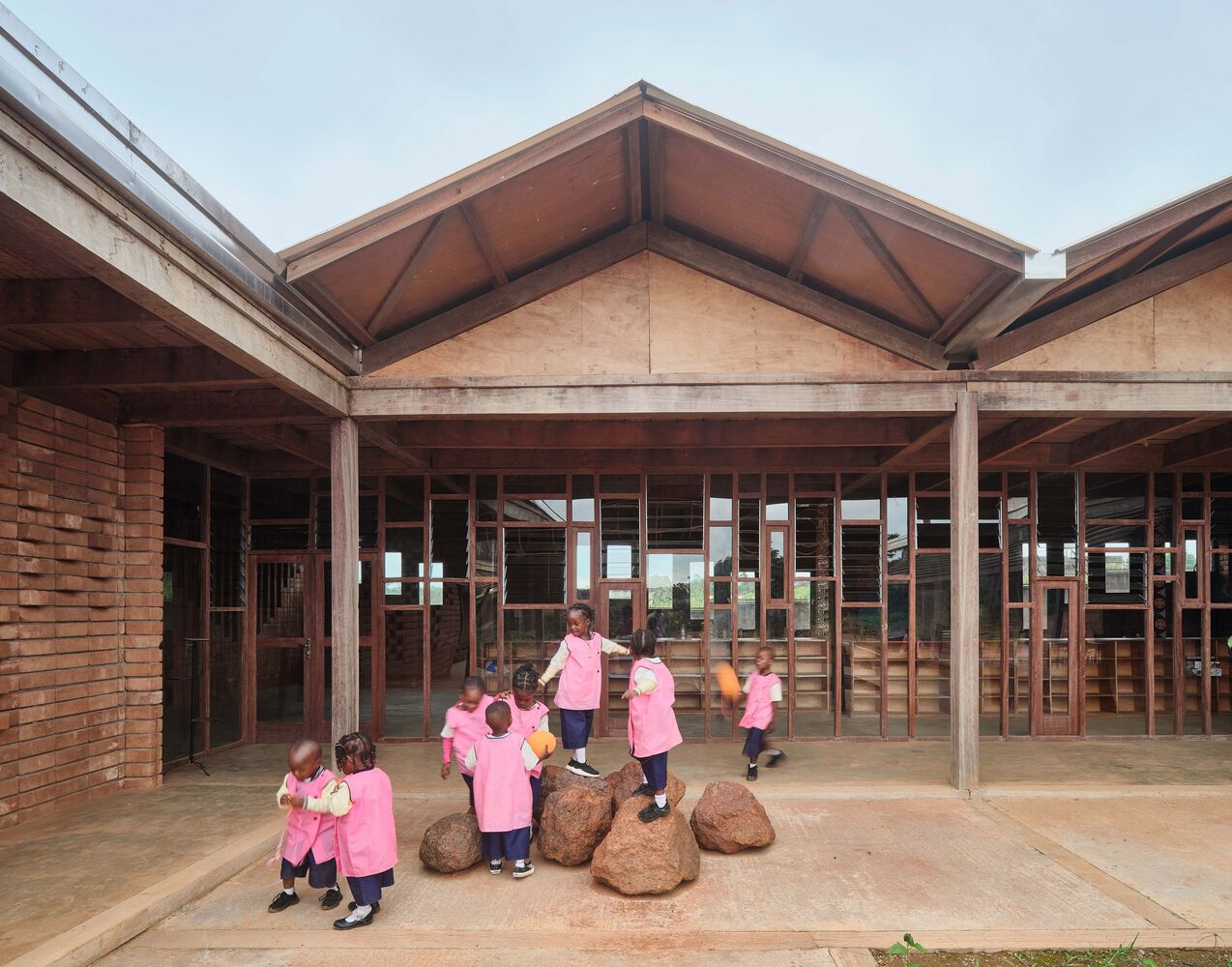
The Dormis Donata form the connecting axis of KUSKA, a rural complex located at 3,100 meters above sea level in the agricultural landscape of the Sacred Valley of the Incas. Nestled between mountains and terraces, they offer a context in which architecture engages in dialogue with memory, topography, and the cyclical rhythms of the environment.
Rural construction is mostly spontaneous, giving rise to a rich diversity of built forms. Within this organic complexity, our strategy is not to assert ourselves through contrast, but to inhabit the context with quiet modesty.
In the quaint village of Khandiya in Gujarat's Panchmahal district, a new house stands rooted in land, memory, and the promise of change. Sloped tiled roofs, thick lime-plastered walls, earthen floors, and shaded plinths suggest a familiar rural home. Yet this dwelling is a deliberate architectural propositionchallenging the binary of tradition versus progress. Could rural architecture evolve rather than be abandoned? Could modular design bridge the widening gap between India's transitioning rural communities and the housing being built for them?