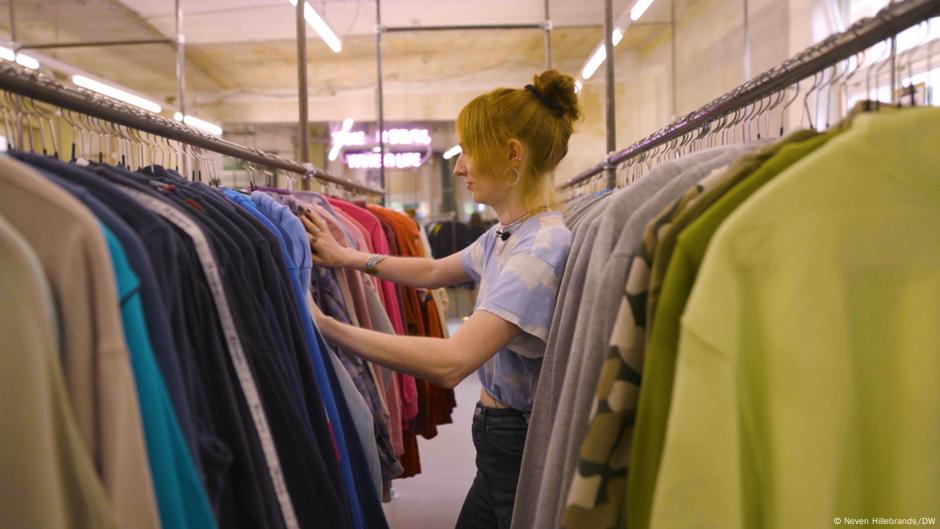
Like a pub roast or a needless apology, a car boot sale is a quintessential British pastime; a staple weekend activity for those willing to venture into a field at 6am to flog old DVDs from the boot of their car at 50p a pop. But the Balham organisers, like others across the country, have rebranded the British car boot to represent something slightly more en vogue.
This week on the podcast, we're sharing an episode of Harvard Business School's Climate Rising podcast. In this conversation, Professor Mike Toffel speaks with James Reinhart, Co-Founder and CEO of ThredUp, one of the world's largest online resale platforms for secondhand clothing. We thought it was the perfect time with the holiday season upon us and the results of ThredUp's 2025 holiday report revealing 40% of holiday budgets will go to secondhand gifts this year.
According to Vestiaire Collective's resale report with BCG, released earlier this month, the secondhand fashion market is growing by 10% yearly, three times faster than the firsthand market. It's currently valued between $210 and $220 billion and is estimated to reach $360 billion by 2030, accounting for 10% of global fashion and luxury sales. Bag-specific stats are even more impressive, as preloved bags make up 66% of U.S. closets across generations.
This was not your usual fashion show. First, I've rarely seen a more exuberant bunch of models all unpaid volunteers living their best lives. Second, everything was secondhand, from a charity shop called Second Life in East Sussex. And third, half of it was sold that day, even the damaged pieces. Second Life's annual fashion show, held over the summer, is just one of the creative ways the shop keeps its harder-to-sell clothing out of incinerators, landfill and developing countries' illegal dumps.
Phoebe Gates and Sophia Kianni turned their Stanford dorm room into a startup lab. It's a time-honored tradition at Stanford, a rite of passage many tech bigwigs have undertaken. Gates and Kianni started as randomly assigned roommates, but soon bonded over their shared love of activism and business. And, like many aspiring Stanford founders before them, they were looking for an idea-pinning up articles in their kitchen, calling potential customers from their floors, and scribbling on a whiteboard.