#semiconductor-manufacturing
#semiconductor-manufacturing
[ follow ]
#intel #chips-act #tsmc #18a-process #us-government-stake #asml-monopoly #euv-lithography #photonic-chips
from24/7 Wall St.
2 weeks agoChip Makers Need Ultra-Pure Helium and Exxon Is Nearly the Sole Source of Six Nines Purity
The leading edge chip manufacturers are now looking for six nines purity and right now that primarily comes from Exxon's facility. So all of a sudden you've got a big issue there.
Toronto startup
Artificial intelligence
from24/7 Wall St.
1 month agoI Thought the 'Magnificent Seven' Trade Was Toast Until I Saw What Meta Is Doing With Its AI Chips
Meta's AI investments are generating measurable returns, positioning the company ahead of competitors despite high capital expenditure requirements in the AI infrastructure race.
fromGSMArena.com
1 month agoSK hynix has developed 1c LPDDR6 RAM, which is faster and more efficient than older standards
The company has developed 16 gigabit LPDDR6 chips that will be used in smartphones and tablets with on-device AI. Bandwidth-hungry AI tasks will see a 33% speed-up in data processing compared to LPDDR5X. The new RAM has a base operating speed of 10.7Gbps.
Mobile UX
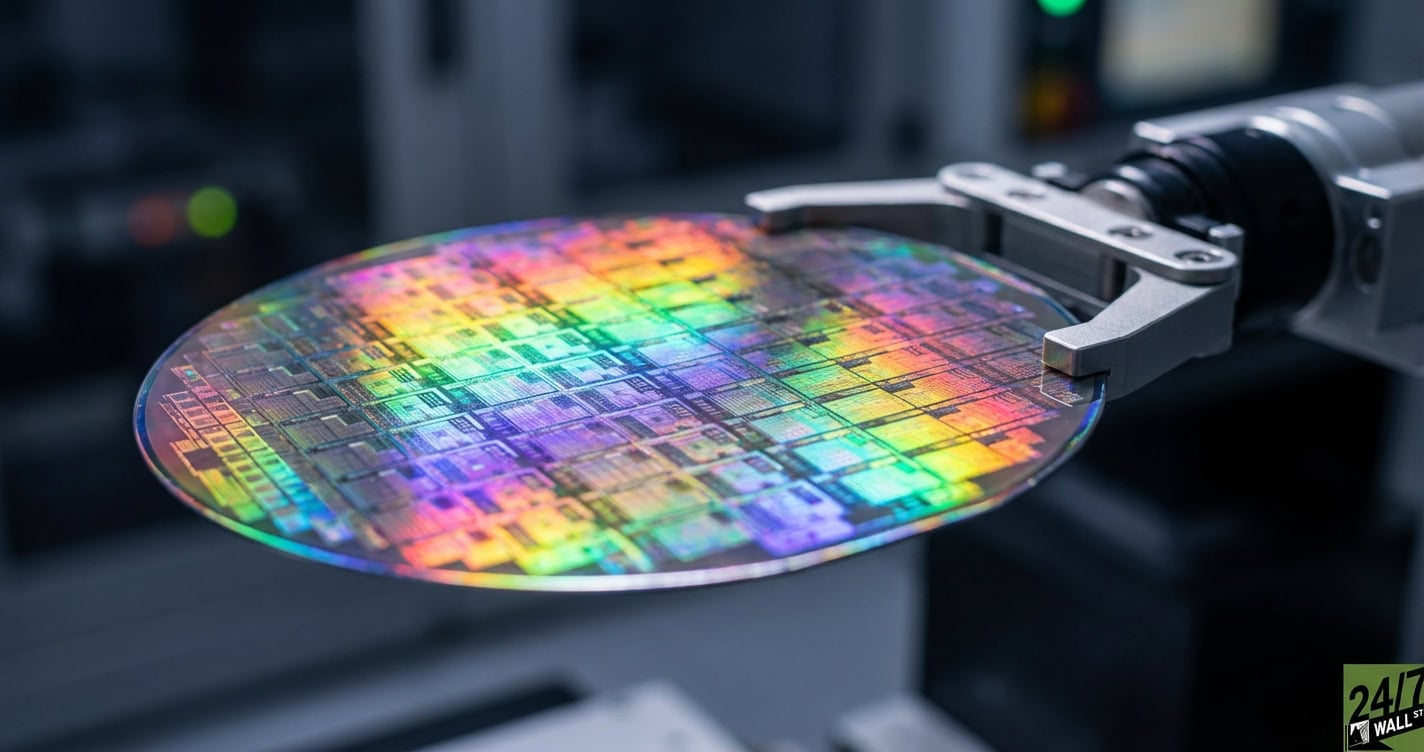
#photonic-chips
Silicon Valley real estate
fromThesanjoseblog
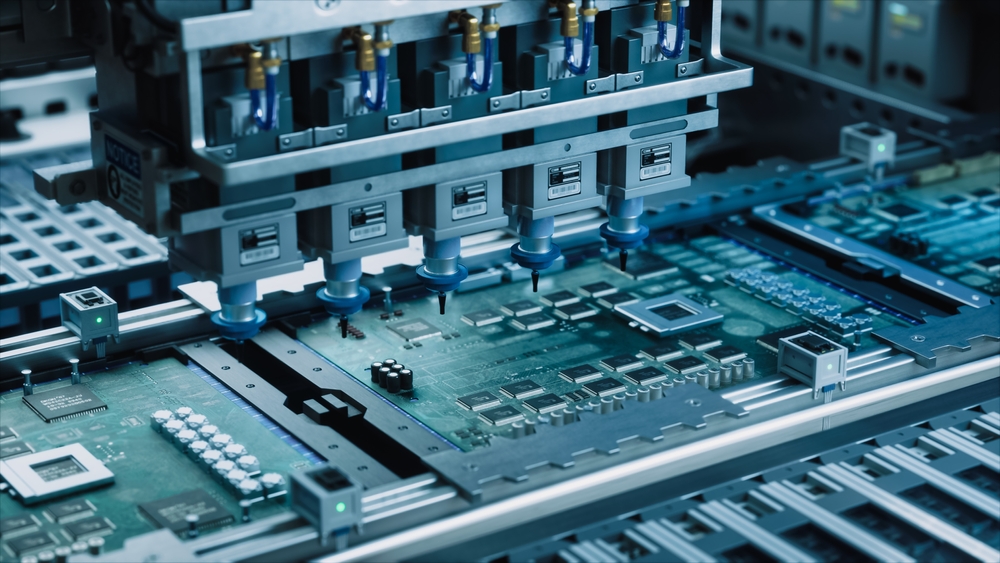
1 month agoNokia Subsidiary Launches Photonic Semiconductor Facility in South San Jose
Infinera Corp. purchased an 82,000-square-foot South San Jose facility for $27 million to establish a photonic semiconductor fabrication plant, supported by $40 million in federal CHIPS Act funding.
fromTheregister
1 month agoBroadcom says AI companies can't make their own silicon
Our custom accelerator business is progressing very well across five customers. Anthropic will soon implement one gigawatt of Broadcom-baked TPUs, and we expect the AI company plans a three-gigawatt deployment in 2027. Meta will install multiple gigawatts of Broadcom's XPU accelerators in 2027 and beyond. OpenAI will deploy over one gigawatt of compute capacity based on custom XPUs in 2027.
Artificial intelligence


fromTechCrunch
2 months agoNvidia challenger AI chip startup MatX raised $500M | TechCrunch
MatX, a chip startup founded by two former Google hardware engineers, has raised a $500 million Series B led by Jane Street and Situational Awareness, an investment fund formed by former OpenAI researcher Leopold Aschenbrenner. The company's goal is to make its processors 10 times better at training LLMs and delivering results than Nvidia's GPUs.
Venture



fromwww.aljazeera.com
3 months agoTaiwan says general consensus' reached with US on trade deal
US President Donald Trump announced a 32 percent reciprocal tariff on Taiwanese exports in April, before lowering the rate to 20 percent in August pending further negotiations. Countries have made pledges to boost investments in the US in exchange for tariff relief since Trump launched his trade war last year. Japan and South Korea last year agreed to invest $550bn and $350bn, respectively, to see their tariff rates cut from 25 to 15 percent.
World news
fromTechzine Global
3 months agoU.S. grants Samsung and SK Hynix temporary leeway in China
The United States has granted Samsung and SK Hynix permission to continue shipping chip manufacturing equipment to their factories in China in 2026. This gives the two South Korean chipmakers temporary breathing space in an increasingly complex geopolitical playing field, where export restrictions and technological rivalry set the tone. According to SiliconANGLE, the approval comes in the form of an annual license. This is a clear break with the previous policy, which granted certain large chip companies long-term exemptions.
US news
Miscellaneous
fromTechzine Global
4 months agoSiemens and GlobalFoundries are working on AI-driven chip production
Siemens and GlobalFoundries are partnering to deploy AI-driven automation and software to standardize, optimize, and digitally transform semiconductor production while strengthening European capacity.
fromTESLARATI
4 months agoTesla supplier Samsung preps for AI5 production with latest move
TSMC is the other. TSMC is using its 3nm process, reportedly, while Samsung will do a 2nm as a litmus test for the process. The different versions are due to the fact that 'they translate designs to physical form differently,' CEO Elon Musk said recently. The goal is for the two to operate identically, obviously, which is a challenge. Some might remember Apple's A9 'Chipgate' saga, which found that the chips differed in performance because of different manufacturers.
Artificial intelligence


fromTechCrunch
4 months agoWhat does it mean when Uncle Sam is one of your biggest shareholders? Chip startup xLight is about to find out | TechCrunch
The Trump administration has agreed to inject up to $150 million into xLight, a semiconductor startup developing advanced chip-making technology, marking the second time the U.S. government has taken an equity position in a private startup and further expanding a controversial strategy that has put Washington on the cap tables of American companies. The Wall Street Journal reported Monday that the Commerce Department will provide the funding to xLight
Startup companies

Venture
fromTechCrunch
6 months ago2024's Startup Battlefield runner-up geCKo Materials reveals four new products at TechCrunch Disrupt | TechCrunch
geCKo Materials commercialized a reusable, residue-free dry adhesive that enables faster, versatile robotic gripping, semiconductor handling, and space-capable applications.

Artificial intelligence
fromFortune
8 months agoFormer Intel board members: America's champion is likely to retreat, and we still need a leading-edge chip manufacturer
The U.S. must prioritize American-owned semiconductor manufacturing to secure its supply chains and technological supremacy in AI and critical technologies.
[ Load more ]