#shrinkflation
#shrinkflation
[ follow ]
#inflation #product-downsizing #grocery-prices #consumer-behavior #fast-food #food-industry #consumer-pricing



fromTasting Table
2 months agoWe Can't Believe How Much Dunkin' Prices Have Increased In The Past Few Years - Tasting Table
The rising cost of food has been tough to deal with everywhere, and it's particularly hard to accept how much Dunkin's prices have increased. It's not that the coffee chain should be exempt from the forces that have driven up fast food prices over the last five years, but Dunkin' has always been a value refuge from Starbucks and other competitors that like to pass themselves off as a little bit fancier.
Coffee
fromBon Appetit
2 months agoThe Best New Products at Trader Joe's This Winter
The theme of this winter at Trader Joe's is shrinkage. Everything new is mini. Shrink-flation, or just adorable? Is this a grocery store for ants? The script really writes itself. We have a little cookies 'n cream cake. We have a personal-sized blooming onion in the freezer department. We have itty-bitty PB&J bites and (terrible) mini chocolate biscuit cookies. We have all that and more, reviewed here today.
Food & drink
fromwww.theguardian.com
3 months agoShelling out? Easter eggs in the UK are smaller but pricier this year
Many of the Easter eggs already out on supermarket shelves this month not only cost more, but have been reduced in size or weight as the price of cocoa has driven a new wave of shrinkflation. Maltesers is living up to its the lighter way to enjoy chocolate slogan with its XL egg rather less large this year at 194g in many shops, down from 231g in 2025, while the price charged by Tesco has risen by 1 to 7.
Food & drink
fromTasting Table
4 months agoThe Budget Cereal Brand Some Shoppers Swear Tastes Better Than The Original - Tasting Table
You're experiencing a severe case of sticker shock while staring at an $8 price tag, which has become increasingly common as the cost of groceries continues to rise. It's also a particularly hard blow knowing that shrinkflation also means we've been getting less cereal in our boxes.
Food & drink
fromwww.theguardian.com
4 months agoA Chocolate Orange has doubled in price and got smaller. Why?
You're right it is smaller. The Terry's Chocolate Orange on shop shelves this Christmas weighs 12g less than it did this time last year. That's a decrease in size of 8% not as big a cut as when the product lost 10% of its mass in 2016, but a further whittling away of a favourite Christmas treat. Prices have been going up too, although it's been a series of increases.
Food & drink
fromBusiness Insider
4 months agoI tried the biggest burgers at 5 fast-food chains and ranked them from worst to best
When it comes to fast food's biggest burgers, the prices are often stacked just as high as the patties. Hikes in fast-food prices and " shrinkflation" - a phenomenon in which people say menu items get smaller while either remaining the same price or costing more - are deterring customers, and chains have released meal deals aimed at luring them back.
Food & drink
Food & drink
fromBusiness Insider
5 months agoAmericans are on a budget. They're also on Ozempic. Food companies are raking in cash by catering to both.
Packaged foods and restaurant portions are shrinking as companies offer smaller sizes responding to tighter budgets, weight-loss drugs, and changing consumer portion preferences.
fromKotaku
6 months agoTrump Take Candy - Kotaku
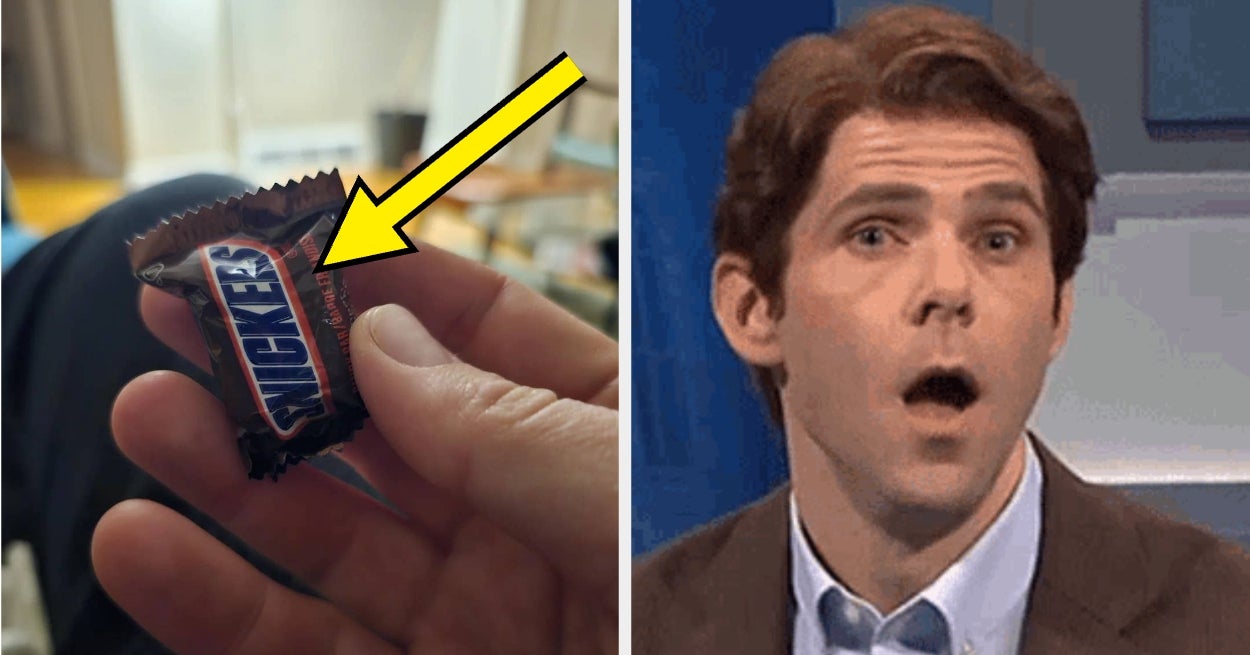
I normally wait until the last minute to pick up candy for Halloween. This entails going to the supermarket during my lunch break on Halloween only to find that all of the Halloween-themed bags have already been replaced with Christmas ones. This usually leaves me with no option but to buy the only candy that normally comes individually wrapped in bulk: blow-pops and stacks and stacks of fun-sized chocolate bars. Beggars can't be choosers.
Food & drink
Food & drink
fromwww.independent.co.uk
6 months agoChocolate and heartburn medicine among worst shrinkflation examples, Which? finds
Major brands are reducing product sizes and sometimes lowering quality, causing large effective price increases across everyday goods like chocolate, toothpaste, and medication.
fromwww.cbc.ca
5 months agoAre you being tricked by your treats? Some Halloween multipacks have shrunk in size, but not in price | CBC News
And if you don't get hit with higher prices, you might still wind up paying more due to shrinkflation, a tactic where companies quietly reduce the weight of a product, but not the price. The changes might be difficult for shoppers to detect, because this year's variety packs contain the same number of candy bars as they did in 2024. Both U.S.-based companies said their products may change due to changing customer preferences. Neither provided specific examples.
Canada news


US news
fromFast Company
8 months agoWhole Foods settles class action lawsuit over hot cocoa packaging. Here's how much you could get
Whole Foods' California subsidiary agreed to settle a class-action alleging slack-fill in 12 oz 365 Organic hot cocoa canisters, offering cash payments to affected customers.

fromwww.independent.co.uk
8 months agoWhy the daughter of chocolate Freddo bar creator hasn't bought one since he died
When it was first introduced to the market, it cost just a penny. But Ms Wadin, 74, said her dad was disgusted with how small it is now and how much they charge for it, adding: "He'd roll over in his grave if he could see it now; he'd be disgusted. It was a penny chocolate."
UK news
[ Load more ]