Information security
fromZDNET
1 week agoThe shadowy SIM farms behind those incessant scam texts - and how to stay safe
SIM farms are used by cybercriminals for financial fraud, spam, phishing, and online product scalping.
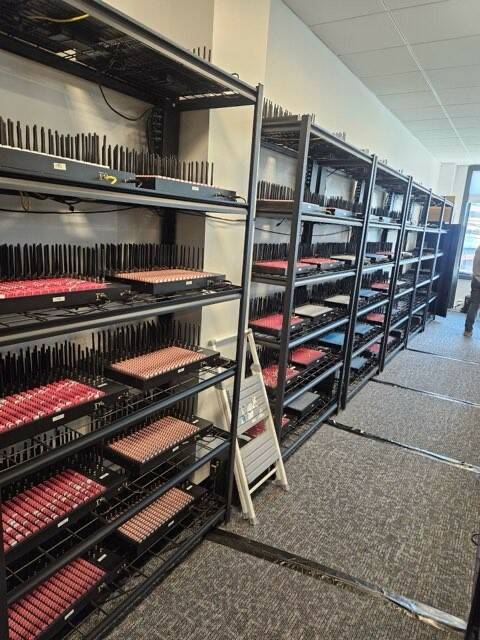
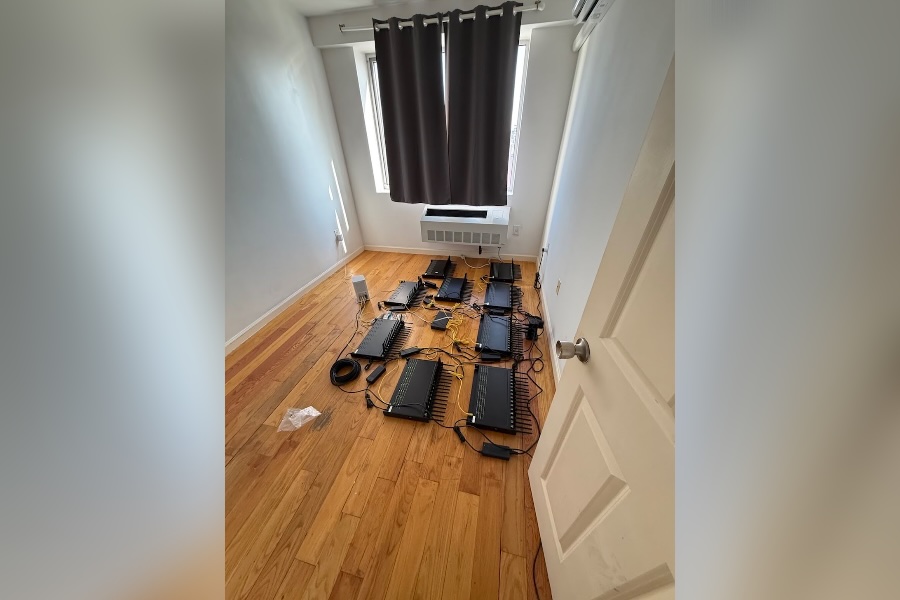
The devices were designed to what experts call a "SIM farm," an industrial-scale operation where hundreds or thousands of SIM cards can be manipulated simultaneously. These setups are typically associated with financial fraud or bulk messaging scams. Still, the Secret Service warned that they can also be used to flood telecom networks, disable cell towers, and obscure the origin of communications. In the shadow of the UN, where global leaders convene and security tensions are high, the proximity of such a system raised immediate questions about intent, attribution, and preparedness. "(SIM farms) could jam cell and text services, block emergency calls, target first responders with fake messages, spread disinformation, or steal login codes," Jake Braun, Executive Director of the Cyber Policy Initiative at the University of Chicago and former White House Acting Principal Deputy National Cyber Director, tells The Cipher Brief. "In short, they could cripple communications just when they're needed most."
The scale of the scheme sounds staggering. The Secret Service said that its agents seized more than 100,000 SIM cards and 300 SIM servers, spread across five different safe houses in or around the city. All were unoccupied, though authorities also seized 80 grams of cocaine, illegal firearms, as well a s computers and cell phones. One official who chose to remain anonymous told the New York Timesthat the network could send 30 million text messages per minute.
The gear was identified as part of a Secret Service investigation into "anonymous telephonic threats" made against several high-ranking US government officials, but the setup seems designed for something larger than just making a few threats. The Secret Service believes that the system could have been capable of activities like "disabling cell phone towers, enabling denial of services attacks and facilitating anonymous, encrypted communication between potential threat actors and criminal enterprises."