The most arresting is a dramatic circular void carved into the ceiling, a spatial echo of St Paul's dome, translated from the sacred to the everyday. Below it, a monolithic espresso counter holds the room together, its weight and material language borrowed from Tate Modern's industrial character and the infrastructural logic of the riverbanks themselves.
Like the chambered nautilus, its shell was a logarithmic spiral. A wall of rough sandstone and aquamarine glass cullet twisted up fifty feet to an oil-drill-stem mast from which a floating roof was hung by the stainless-steel struts of World War II biplanes. You slid in with the humid air from the ravine outside to stroll a terraced garden of pools and plants, over which suspended and carpeted pods for living and sleeping drifted like clouds.
If you overspend, you're shopping exactly as designed Have you ever gone grocery shopping with a grocery list of items to get, but then walked out of the store with more things than your grocery list? Grocery stores are spaces that are designed to make you spend more money. Strategic aisle placements and product positions follow a deliberate strategy rooted in consumer psychology and decades of behavioral research.
The exhibition design introduces a lightweight, modular spatial system that emerges from a conceptual common ground shared by the exhibited works.
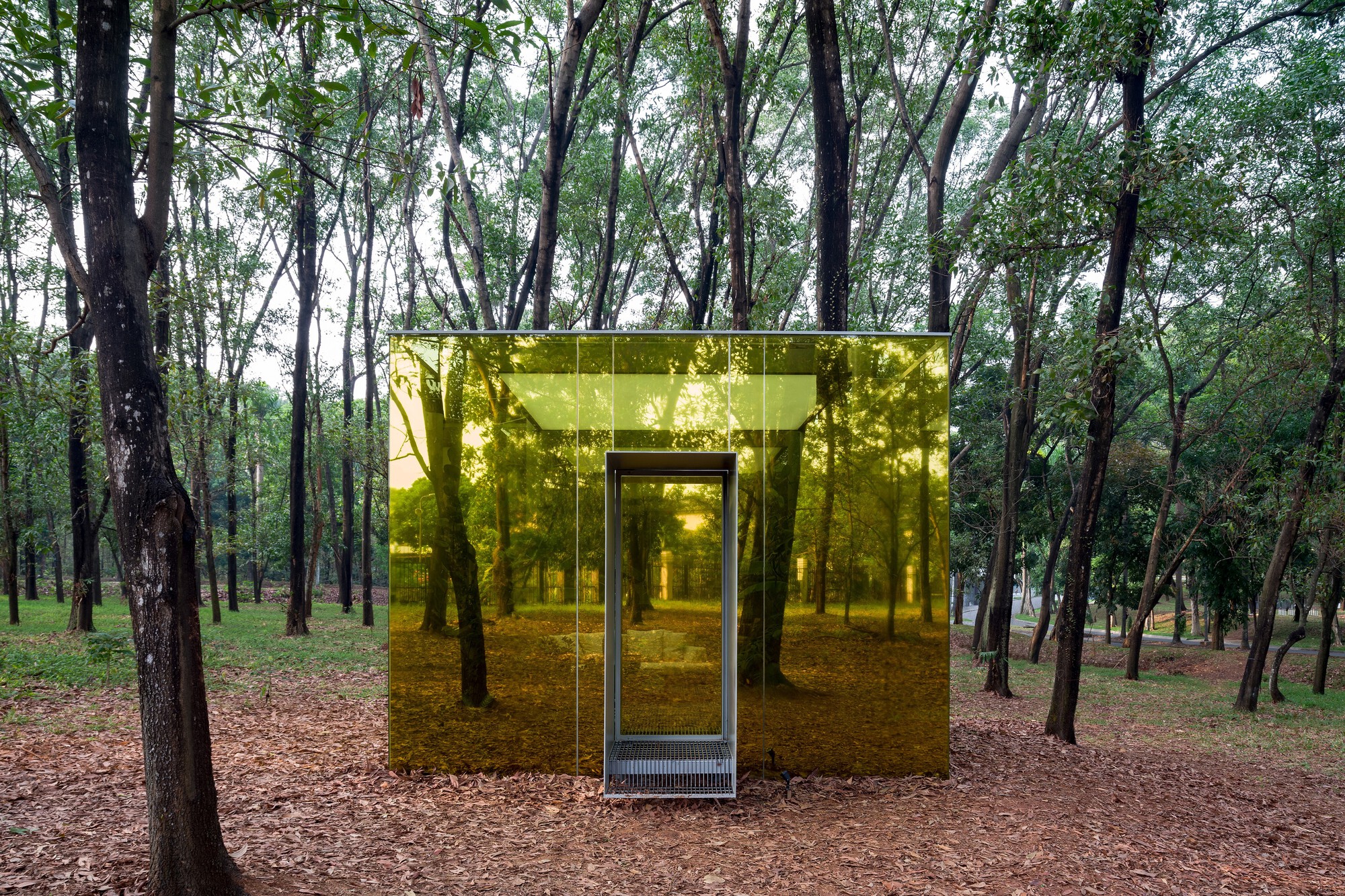
Transparency in spatial design creates profound connections, allows light to penetrate interiors, and transforms rigid hierarchies into fluid, interconnected zones.