Agriculture
fromModern Farmer
21 hours agoHow to Kill Winter Crops Without Losing Soil Gains
Proper timing and method for terminating cover crops are crucial for maximizing soil biomass and ensuring successful subsequent crop growth.
Citrus fruits are delicious, fragrant, and packed with vitamins and nutrients, making them versatile for snacking, salads, juicing, cooking, baking, and seasoning.
More than 30,000 hectares of land are covered in plastic, a geometric labyrinth five times the size of Manhattan, where 3.5m tons of vegetables are produced every year from tomatoes to cucumbers, peppers to courgettes, aubergines to melons, enough to feed half a billion people and generate a turnover of more than 3bn euros.
Around a third of UK gardeners use pesticides, and our studies found that house sparrow numbers, for example, were nearly 40% lower in gardens where the pesticide metaldehyde was used. By reducing pesticide use, you can actively encourage birds back into your outdoor spaces, as they rely on invertebrates such as slugs and snails as natural prey.
Spring ends the winter season like light ends the darkness. The coming of spring reminds us of the peaks and valleys of life. If you are in a valley, know that there is light at the end of the tunnel and a peak will come soon. Just as the seasons change, so too will your life.
Climate breakdown is occurring more rapidly with the heating rate almost doubling, according to research that excludes the effect of natural factors behind the latest scorching temperatures. It found global heating accelerated from a steady rate of less than 0.2C per decade between 1970 and 2015 to about 0.35C per decade over the past 10 years.
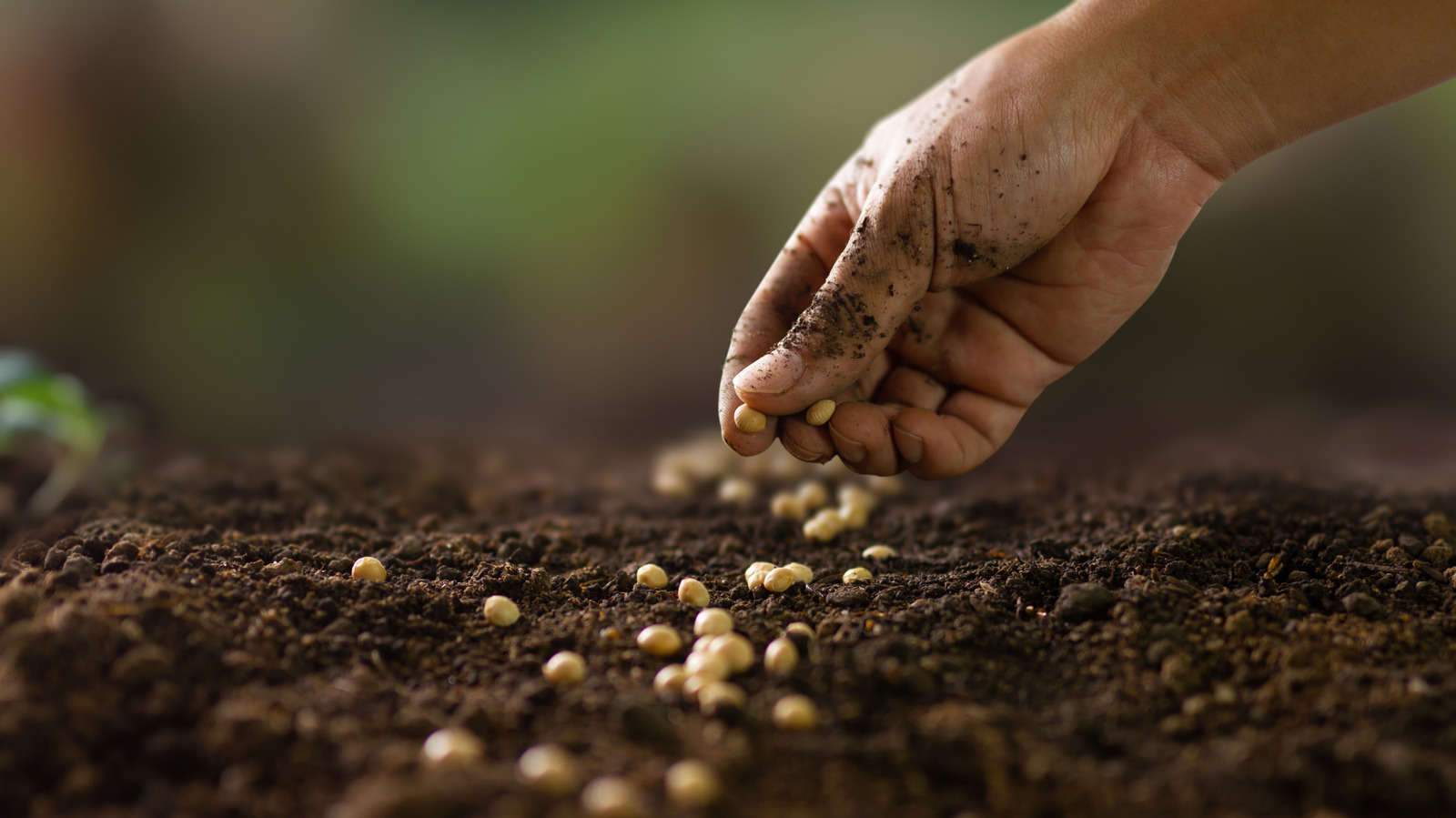
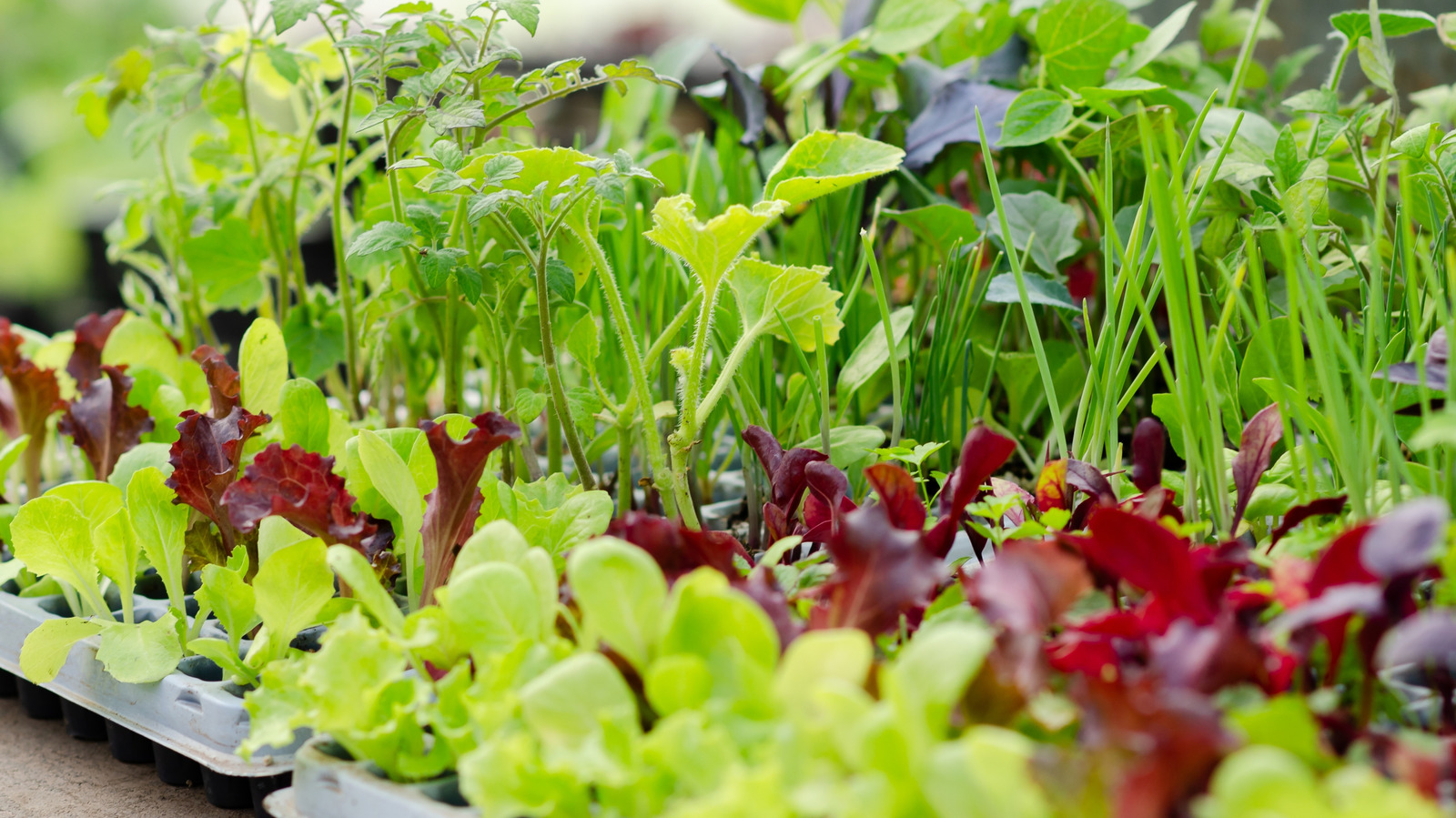
Starting plants from seed extends your relationship with the garden, gives you more control over seed sourcing, and saves real money compared to buying nursery starts, sometimes as much as 90% per plant.
As an adult, my relationship with snow has changed. I find great beauty in an expanse of unbroken snow, the way drifts reflect wind patterns, the stems and seedheads of last year's perennials still standing proud, and the dampened silence that accompanies a snowstorm. I delight in seeing the intrepid and ever cheerful black-capped chickadee out and about during and immediately after snowfall, determined not to let the flakes affect its outlook.
The term "soil fatigue" or exhaustion refers to the condition that soil profiles take on when they've been heavily monocropped and untended. This soil is devoid of the microbial content that offers plants bioavailable food. It lacks the fungal and bacterial organisms that interact with plant nutrients.
To an unimaginable eye, a seed looks inert. Yet they are packed with genetic information and biological processes poised to unfold. All it takes is the right configuration of signals and stimuli from the environment to let them know it's time to dare to grow.
Late winter is when keen gardeners can get a little restless. The weather is still cold, and spring still feels far away. Thankfully, you don't need to wait until the weather warms to start your growing season. There are plenty of fruits and vegetables that can be started in the late winter, ready for a bountiful harvest in the coming months. Each of these plants needs unique care in order to thrive, but thankfully, I can guide you through exactly the right steps.