#spring-fieldwork-planning
#spring-fieldwork-planning
[ follow ]
#gardening #sustainability #soil-health #agriculture #plant-care #crop-management #pest-control #agronomy

fromwww.theguardian.com
1 day agoHouseplant hacks: do eggshells deter fungus gnats from laying eggs?
Crushed clean, dry eggshells, when scattered over the soil, are intended to stop adult gnats from laying eggs and potentially add natural fertilizer. However, they merely sit on the surface, collecting dust, while the gnats remain attracted to the damp compost.
Renovation
fromRealagriculture
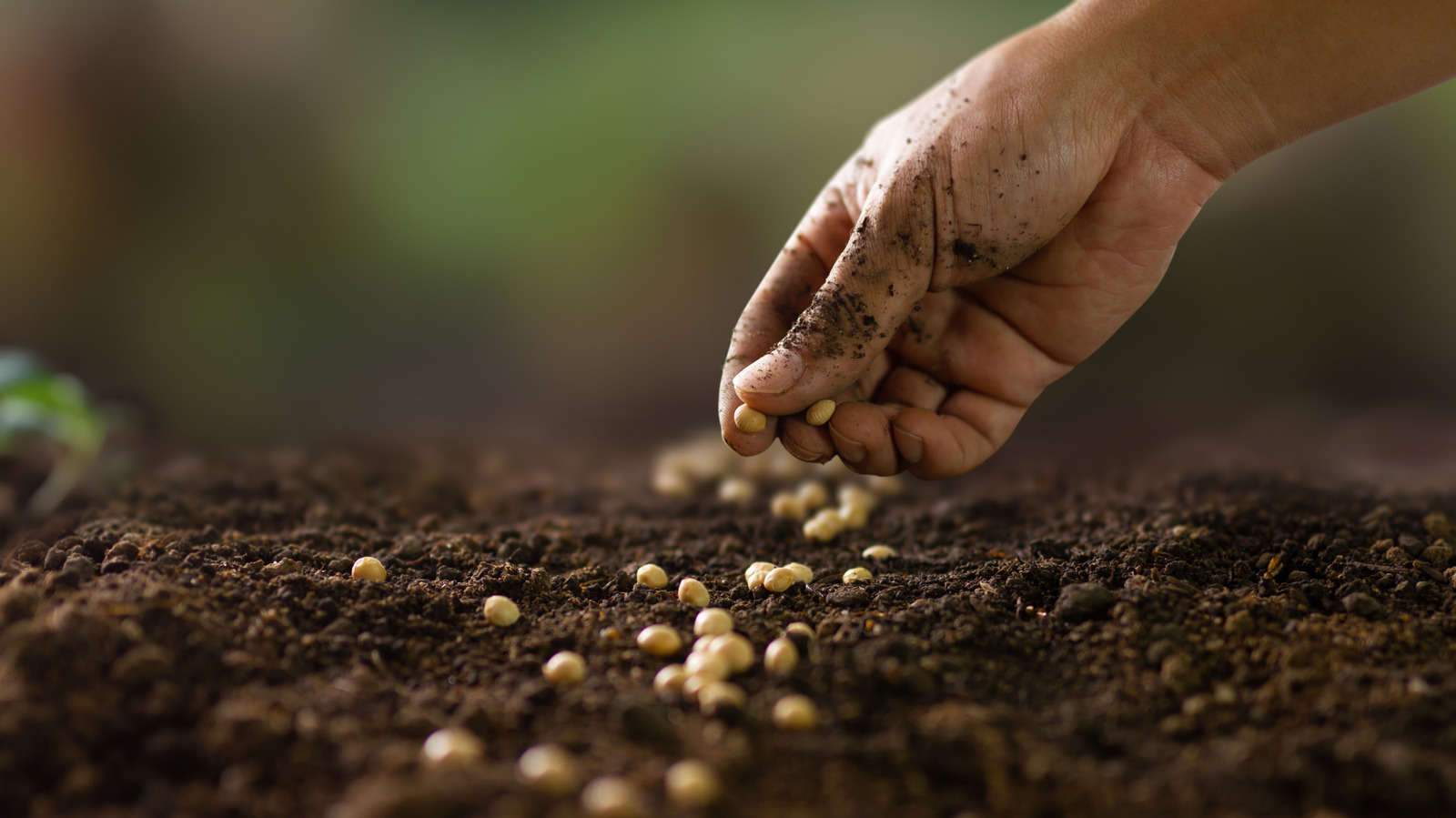
1 day agoPulse School: Balancing P-K-S fertility when margins are tight
"The awesome thing with pulse crops is no nitrogen needs... not having to put any nitrogen on a pulse crop is a great starting point," he says, noting that this allows growers to not only meet PKS requirements but, in some cases, build soil fertility for the rotation.
Agriculture
fromwww.theguardian.com
3 weeks agoSmall changes in how we garden can make a big difference to birds | Letter
Around a third of UK gardeners use pesticides, and our studies found that house sparrow numbers, for example, were nearly 40% lower in gardens where the pesticide metaldehyde was used. By reducing pesticide use, you can actively encourage birds back into your outdoor spaces, as they rely on invertebrates such as slugs and snails as natural prey.
Pets
Everyday cooking
fromTasting Table
2 weeks agoFireplace Ashes Can Boost Your Vegetable Garden - If You Use Them The Right Way - Tasting Table
Wood ash serves as a nutrient-rich, budget-friendly fertilizer that enhances plant growth, modifies soil pH, and deters garden pests when applied sparingly in small doses.

fromFast Company
2 months agoThe Farmers' Almanac isn't dead. It's getting a digital reboot under a new owner
"I saw the announcement that one of America's most enduring publications was set to close," Konrad said, "and it felt wrong to stand by while an irreplaceable piece of our national heritage disappeared."
Media industry

Agriculture
fromArchitectural Digest
3 years agoWe Asked Experts About the Gardening Mistakes to Avoid This Spring-These Are Their 12 Top Tips
Gardening mistakes are common and costly, but beginners can avoid major pitfalls by starting small, choosing correct locations with adequate sunlight, and understanding plant-specific requirements.
Agriculture
fromTasting Table
3 weeks agoCan You Grow A Garden From Grocery Store Produce Seeds? - Tasting Table
Growing vegetables from store-bought seeds is possible but results vary based on produce type, growing method, and post-harvest treatment, with hybrid plants producing different crops than their parent plants.
Agriculture
fromRealagriculture
3 weeks agoWheat Pete's Word, March 11: The next generation of ag, ponded wheat, potash power, and a rust watch
Ontario winter wheat shows strong spring conditions with minimal ponding, while high-tillering wheat in Idaho presents lodging risks and leaf rust emerges unexpectedly in the southern U.S.
Agriculture
fromRealagriculture
1 month agoRealAg Radio: Meteorological spring, sulphur management, and new variety considerations, Mar 2, 2026
Agronomic Monday covers meteorological spring, maple syrup season, DON risk in corn, sulphur management, wheat variety considerations, and risk management strategies for farm operations.
fromModern Farmer
1 month agoYour February Soil Checklist: What to Do Now for Healthy Soil
The term "soil fatigue" or exhaustion refers to the condition that soil profiles take on when they've been heavily monocropped and untended. This soil is devoid of the microbial content that offers plants bioavailable food. It lacks the fungal and bacterial organisms that interact with plant nutrients.
Agriculture
fromwww.theguardian.com
1 month agoWhen it comes to preparing seeds for your garden, you'll reap what you sow
To an unimaginable eye, a seed looks inert. Yet they are packed with genetic information and biological processes poised to unfold. All it takes is the right configuration of signals and stimuli from the environment to let them know it's time to dare to grow.
Agriculture
Agriculture
fromRealagriculture
1 month agoDon't cut the science that pays the bills
Closing AAFC research stations undermines Canada's agricultural competitiveness by eliminating the only coordinated system for validating crop genetics across diverse agro-ecological zones, despite wheat breeding generating a 32:1 benefit-cost ratio.
fromInsideHook
2 months agoAn Essential Part of Farming Has Two Wings and a Beak
When you think of farming, what ingredients do you generally associate with a successful harvest? The basics certainly come to mind: fertile soil, plenty of sunlight and lots of water. But there are other variables that can also mean the difference between a crop of healthy fruits and vegetables and a large heap of organic waste. And it turns out that one of those variables is a very small hawk.
Agriculture
fromRealagriculture
2 months agoWhat sets successful farm transitions apart?
Based on years of post-transition reviews, MNP has identified seven traits common to successful farm families, MacLean says. First, they start early. Early planning allows flexibility and time to work through the tough stuff. Clear, respectful communication is the second trait - and it's essential. Families who talk openly and establish expectations avoid the dangerous territory of unspoken assumptions. Farms that navigate the process well have a shared vision.
Agriculture
Agriculture
fromIndependent
2 months ago'It's a kind of rock-star lifestyle... but I always loved farming': Why ex-pro surfer swapped chasing waves for regenerative farming
Fergal Smith left a professional surfing career to practice regenerative farming and train Ireland’s next generation of sustainable farmers on Moy Hill Farm.
fromwww.theguardian.com
1 month agoWe're not hippies': why these Iowa farmers swapped pigs for mushrooms
My older brother has worked with pigs his entire adult life, managing about 70,000 of them across five counties, Faaborg says. But we got to a point where he went from laughing at me to saying: well, I guess maybe I'll quit my job and help you out. Now he's the most dedicated, says Katherine Jernigan, director of the Transfarmation Project at Mercy for Animals, a non-profit that helped the Faaborgs make the switch and set up their new business, 1100 Farm.
Agriculture
fromTasting Table
2 months ago15 Fruits And Vegetables You Can Start Growing In Late Winter - Tasting Table
Late winter is when keen gardeners can get a little restless. The weather is still cold, and spring still feels far away. Thankfully, you don't need to wait until the weather warms to start your growing season. There are plenty of fruits and vegetables that can be started in the late winter, ready for a bountiful harvest in the coming months. Each of these plants needs unique care in order to thrive, but thankfully, I can guide you through exactly the right steps.
fromRealagriculture
1 month agoOMAFA looks to bolster field crop team
According to the job posting, the successful candidate will serve as the lead provincial specialist for edible beans and edible oilseeds, including Identity Preserved (IP) soybeans, spring and winter canola, flaxseed, and sunflower. The role centres on technology transfer - developing and implementing strategies, policies, and programs - while coordinating projects that assess new and existing practices for their suitability under Ontario conditions. The specialist will also prepare and deliver educational tools, act as a liaison between the research community and industry, support policy and program development, and manage high-priority or contentious issues in the sector.
Agriculture
fromTasting Table
2 months agoThe Slow-Growing Crop That Pays Off Big When You Start It From Seed - Tasting Table
People grow asparagus from crowns because it shortens the long wait times for harvesting. From seed, you'll need to wait three years before harvesting asparagus. Some people consider that a waste of time. The tradeoff is that you can keep harvesting every spring for up to 15 years or more. If you plant crowns, you get a one-year jump on things. However, those crowns may have soil-borne diseases you don't know about, so there is a risk involved. Seeds remove that problem.
Agriculture
fromDaily Coffee News by Roast Magazine
1 month agoIn Wake of India's "Green Revolution," Scientists Find Organic Soils Healthier
As concepts such as "regenerative" and "biodynamic" continue to enter the mainstream coffee lexicon, scientists continue to literally dig into the soil to give them meaning. A recent peer-reviewed study from India's Western Ghats argues that one of the clearest signals of healthy, sustainable coffee farms lies in the ground itself, with organic coffee soils performing better than soils from conventional farms treated with synthetic inputs.
Agriculture
[ Load more ]