Social justice
fromThe Atlantic
44 minutes agoWhen ICE Shows Up to Family Court
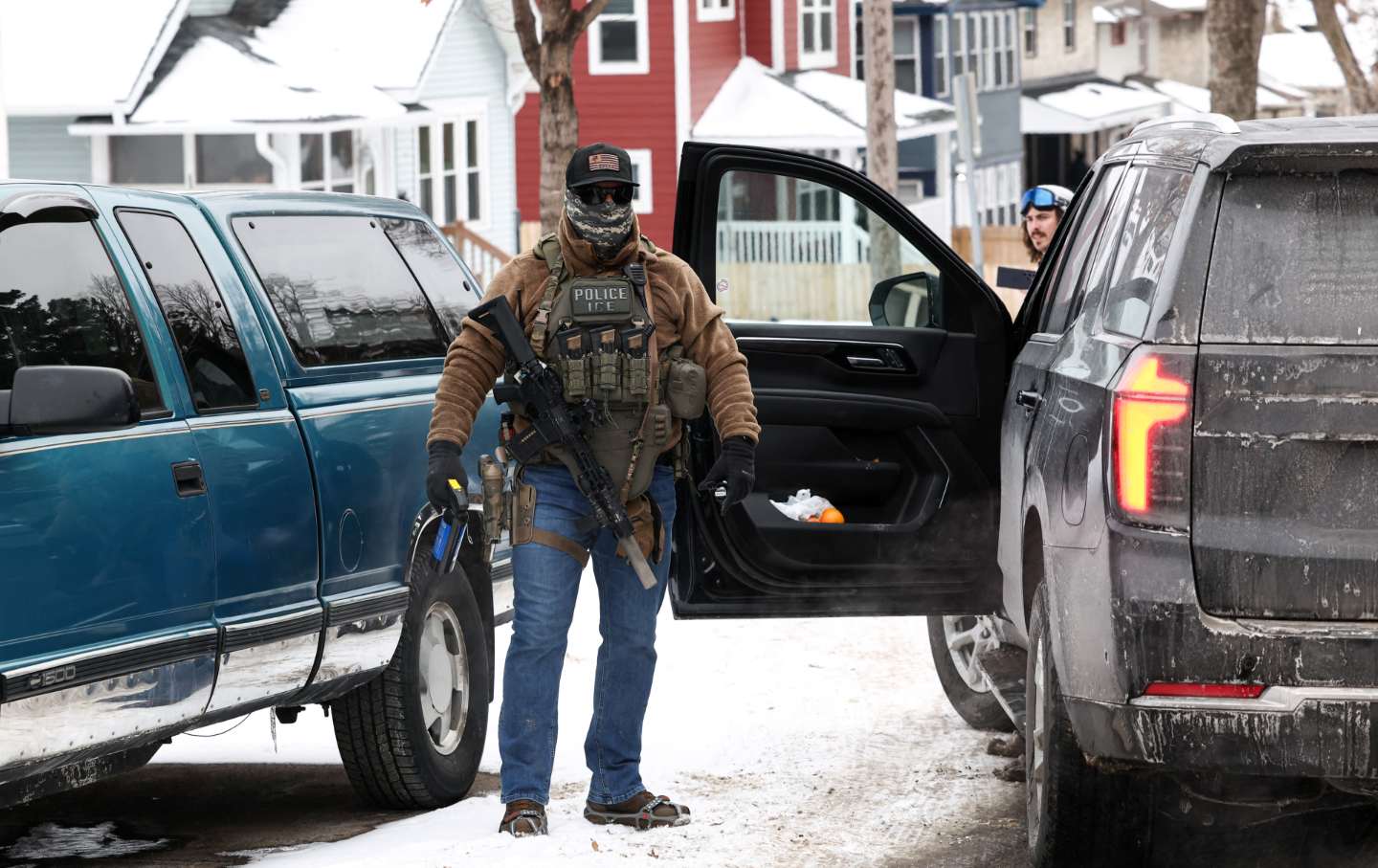
A 67-year-old volunteer witnessed a woman being taken by ICE after testifying against her ex-boyfriend in court.
The lawsuit was filed by Deshanae L. Brown, who alleges she was subjected to discrimination based on her race, sex, and disability, citing violations of federal and state laws including Title VII, the Americans with Disabilities Act, and the Family and Medical Leave Act.
Sheryl Davis is accused of steering millions of dollars to Collective Impact, a San Francisco-based nonprofit she previously ran as executive director, according to a criminal complaint filed Monday by the San Francisco District Attorney's Office.
"It's sad, really," said Schwartz's lawyer John Scola. "It's just someone who's trying to do his job, and then, because he didn't basically bow down to the egos of Chell and Kaz, his whole life gets uprooted and he has to endure years of hardship, because these people essentially have a bruised ego."
"We have a great opportunity in our movements to learn how to be opponents without being enemies," says Tanuja Jagernauth. This perspective emphasizes the importance of maintaining respect and understanding even amidst conflict.
The ruling upheld a lower court's preliminary injunction, the latest rebuke to a major shift that advocates warn would push 170,000 people in federally subsidized housing back into homelessness.
U.S. District Judge Charles Simpson issued a one-page ruling Friday throwing out charges against Joshua Jaynes and Kyle Meany, two former officers involved in crafting the Taylor warrant.
At Dublin, she had been sexually harassed and verbally abused by an officer, physically assaulted by another, witnessed other officers sexually abusing women, and been subjected to retaliation. Before her arrest, Cristal had been a long-time permanent resident of the U.S. Her conviction for drugs invalidated her green card, and Immigration and Customs Enforcement (ICE) issued a final removal order based on her felony conviction.
President Donald Trump's efforts to dismantle the Department of Education has created a crisis that critics long feared: leaving marginalized students vulnerable to misconduct with little federal intervention. A new report by the Government Accountability Office (GAO), a nonpartisan arm of Congress, paints a damning picture of how mass layoffs and the slashing of resources at the agency have significantly impacted the civil rights of students.
Drawing from years in public defense and her work co-founding Partners for Justice, she explains why the criminal legal system often punishes instability rather than crime - and how policy choices, not individual morality, frequently determine who enters the system.
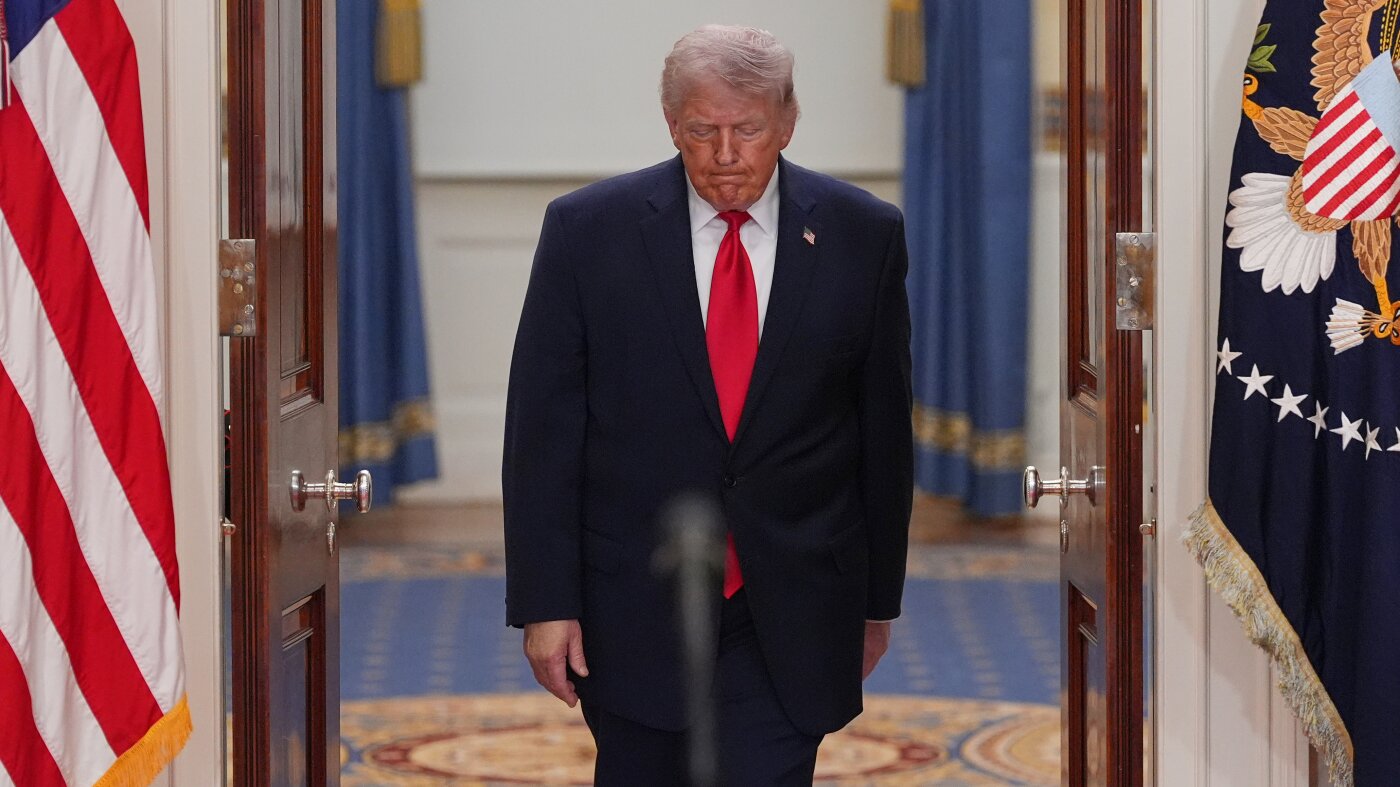
Since Richard Nixon was forced to resign, powerful people in both political parties have worked assiduously to ensure that their leaders would escape the consequences of their actions. Trump has evaded punishment for crimes both low (campaign-finance violations, for which he was convicted, though he will serve no time thanks to his 2024 victory) and high (his attempted overthrow of the federal government in the aftermath of his 2020 election loss, for which he was spared by the Supreme Court's decision to grant him a kingly immunity).
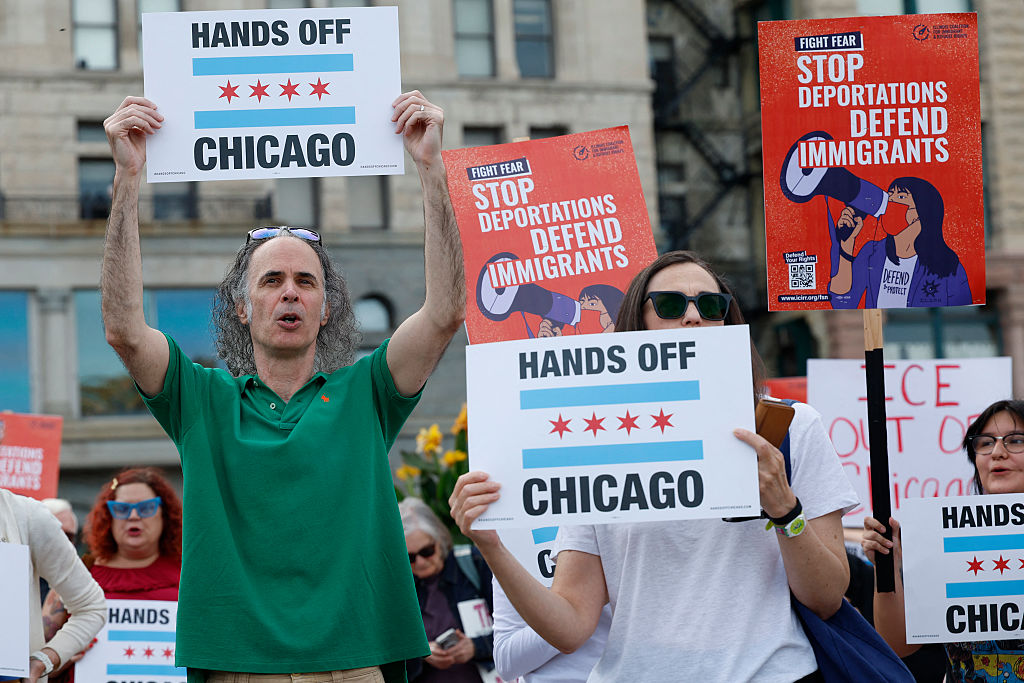
Yet while "Abolish ICE" serves as a unifying chant in the streets, Democrats are once again seeking to temper and co-opt people's demands into a narrow version of reform. The demands outlined by Senate Minority Leader Chuck Schumer could not be more toothless: requiring ICE agents to unmask, wear body cameras, and to follow a code of conduct modeled on other law enforcement agencies.
The next "Dying to Stay Here" podcast will feature a panel discussing what we call our criminal justice system. The panel reflected on a recent election in California, where voters were asked, in plain language, whether they wanted to remove slavery from our constitution, where it's still allowed "as punishment for a crime," and voted to keep it. As we celebrate another Black History Month, I reflect on the disproportionate number of Black people behind bars.
On 25 May 2020, America witnessed a stunning act of police brutality when a police officer in Minneapolis, Minnesota, murdered George Floyd. The killer, Derek Chauvin, apparently confident that he would be immune to accountability, did his deed in the open, with other officers standing by and in front of a crowd of onlookers. The video of Floyd's murder shocked the nation.