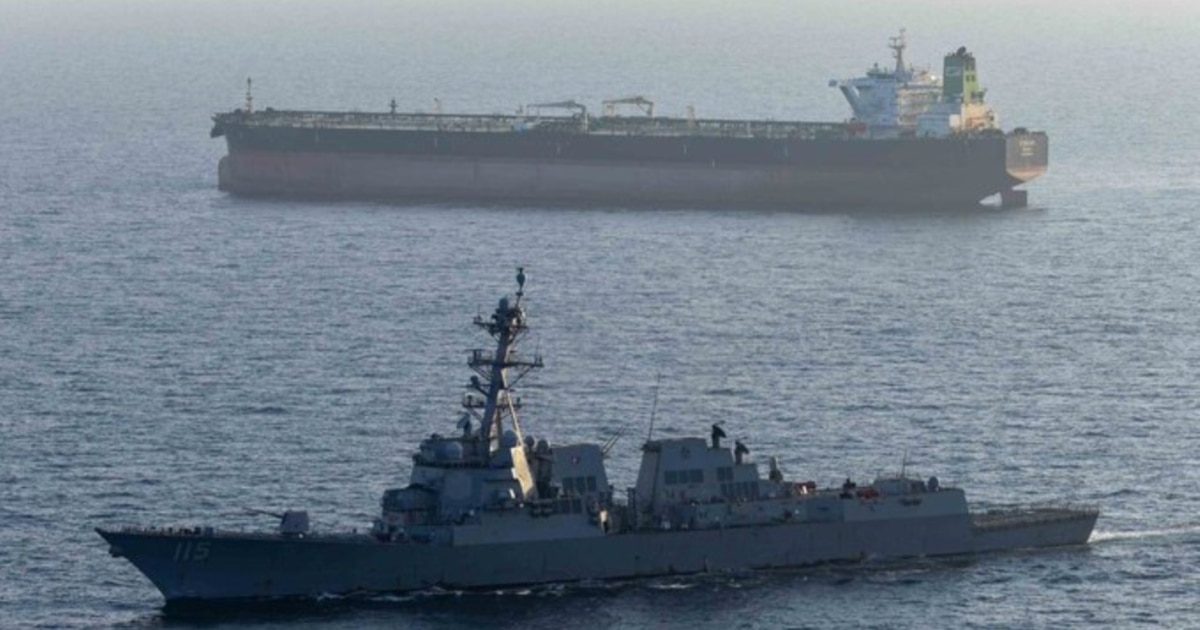
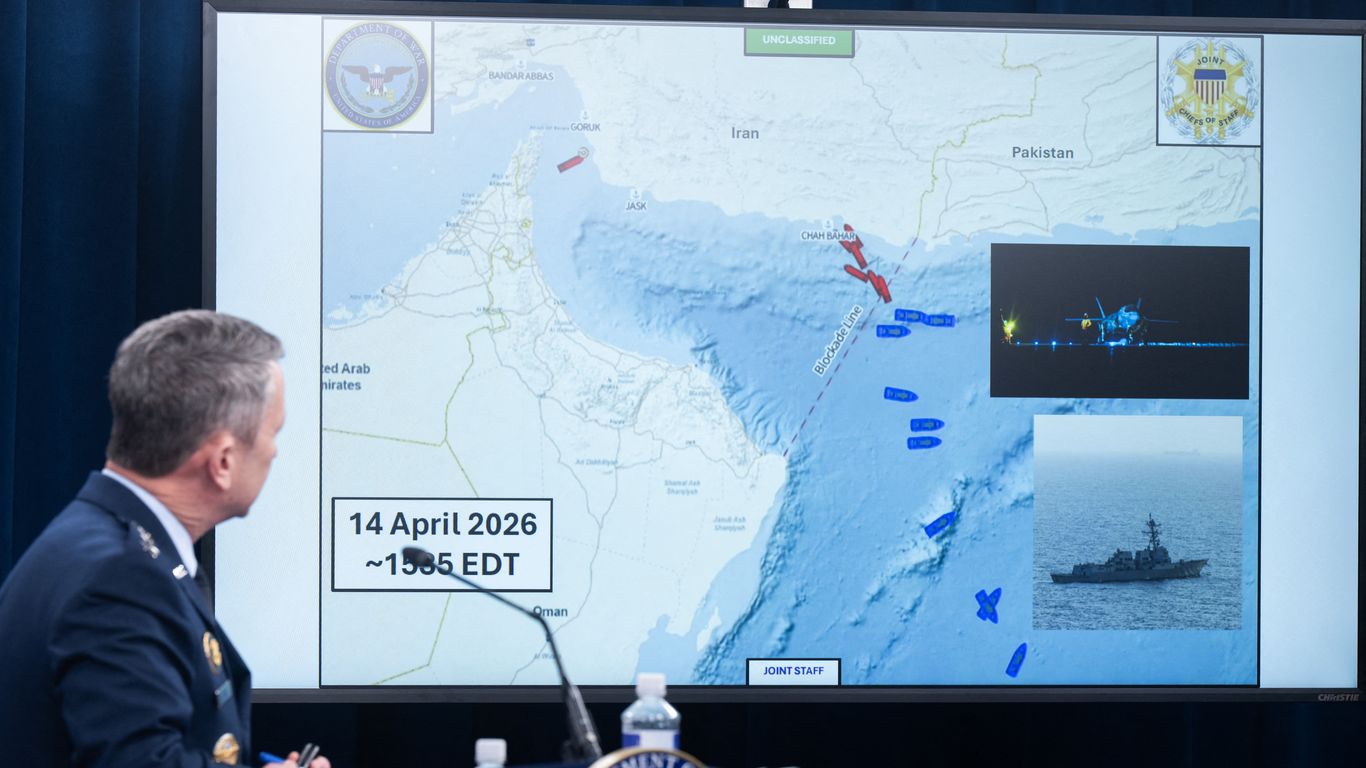
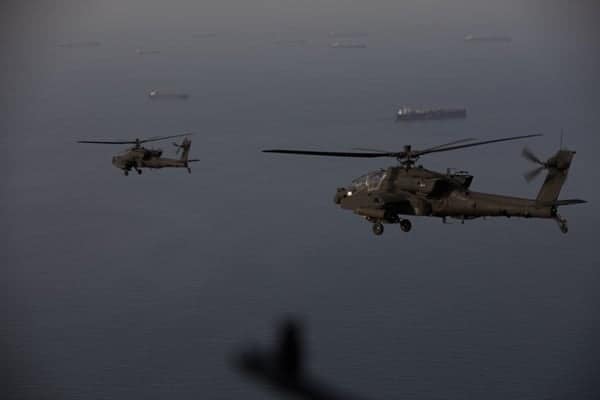
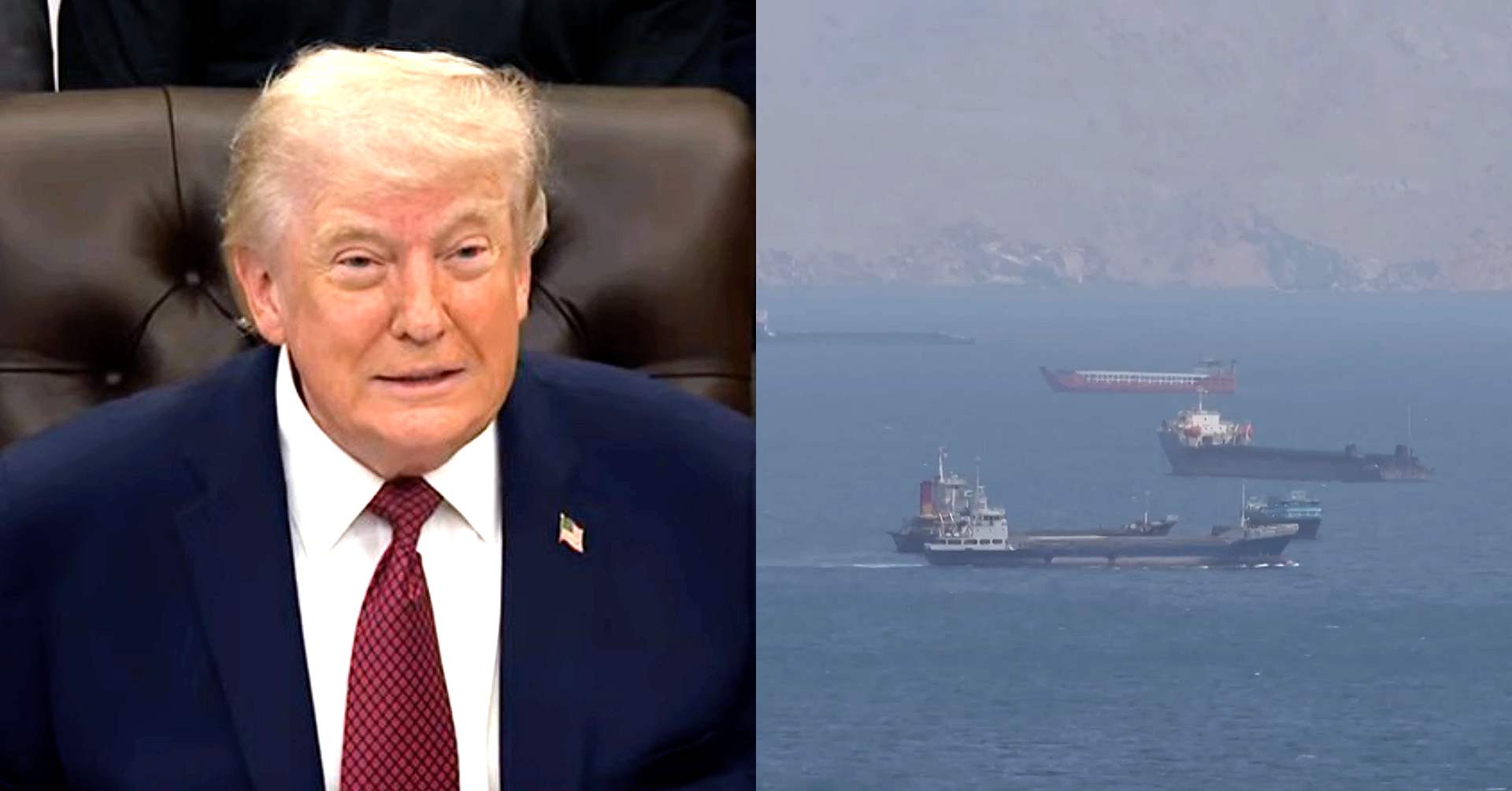
Since the US-Israeli strikes on Iran began on February 28, Tehran has launched a wave of ballistic missiles targeting Israel, US military bases, oil depots and other infrastructure across the Gulf region. Iranian attacks on several vessels passing through the Strait of Hormuz have also dramatically reduced traffic in the narrow channel, through which about 20 percent of global oil and gas supplies transit.
It's a very transactional presidency, and our job is to navigate this, to always remember that the friendship between the United States and the United Kingdom runs very deep. It's a good relationship. It's enduring, and I think it will outlast all the personalities involved.
The U.S. Energy Information Administration estimated that, in 2024, over 80% of the crude and LNG that transited Hormuz went to Asian markets. China, India, Japan, and South Korea accounted for nearly 70% of all Hormuz crude flows. Saudi Arabia and the UAE can only send about 2.6 million barrels of crude oil a day through bypass pipelines, not enough to offset the 20 million barrels per day now stuck.
While it is not legally ruled out, given the ongoing conflict, it is something that should be judged carefully. Any decision to dispatch Japanese military vessels to the Middle East to escort ships would face high hurdles, according to ruling Liberal Democratic Party policy chief Takayuki Kobayashi.
More fake news from CNN. 'Reports that the Trump administration underestimated the Iran war's impact on the Strait of Hormuz.' Patently ridiculous, of course. For decades, Iran has threatened shipping in the Strait of Hormuz. This is always what they do: hold the strait hostage. CNN doesn't think we thought of that. It's a fundamentally unserious report.
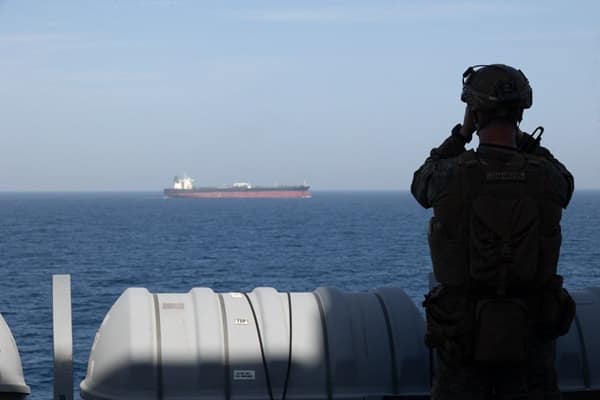
The only thing prohibiting transit in the straits right now is Iran shooting at shipping. It is open for transit should Iran not do that. Now, there's a reason why we chose, as one of our primary objectives, to destroy the Navy. We understood the ability to interdict shipping is something Iran has done for 40 years. It's key terrain. They've used it as leverage.
The war in the Middle East is exposing how dependent the world is on a handful of strategic chokepoints. The Strait of Hormuz a narrow waterway in the Gulf is closed. The longer this goes on, the faster the global energy map could be reshaped.
Secretary of Defense Pete Hegseth lashed out at the press to start the presser, singling out CNN and saying, 'The sooner David Ellison takes over that network, the better!' As Hegseth left the podium at the end of the presser, the tail end of a laugh could be heard on Friday's edition of CNN News Central.
The International Energy Agency (IEA), a global energy watchdog, with several of the wealthiest countries as member nations, has announced the largest release of government oil reserves in its history, two weeks after the United States and Israel started their war on Iran with strikes on Tehran.
They have a "much greater effect, typically, than a missile," and can inflict millions of dollars worth of damage for just a few thousand bucks a pop. And they're pretty effective too: naval mines have caused 77% of all U.S. Navy ship casualties since 1950, per the Strauss Center at the University of Texas.
Iran is exporting more oil through the Strait of Hormuz than before the war, showing it is in control of a strategic waterway that it has closed off to the rest of the region's oil producers. As Gulf Arab oil producers from Saudi Arabia to Iraq cut production and scramble for new routes that bypass the strait, Iran is conducting business as usual.
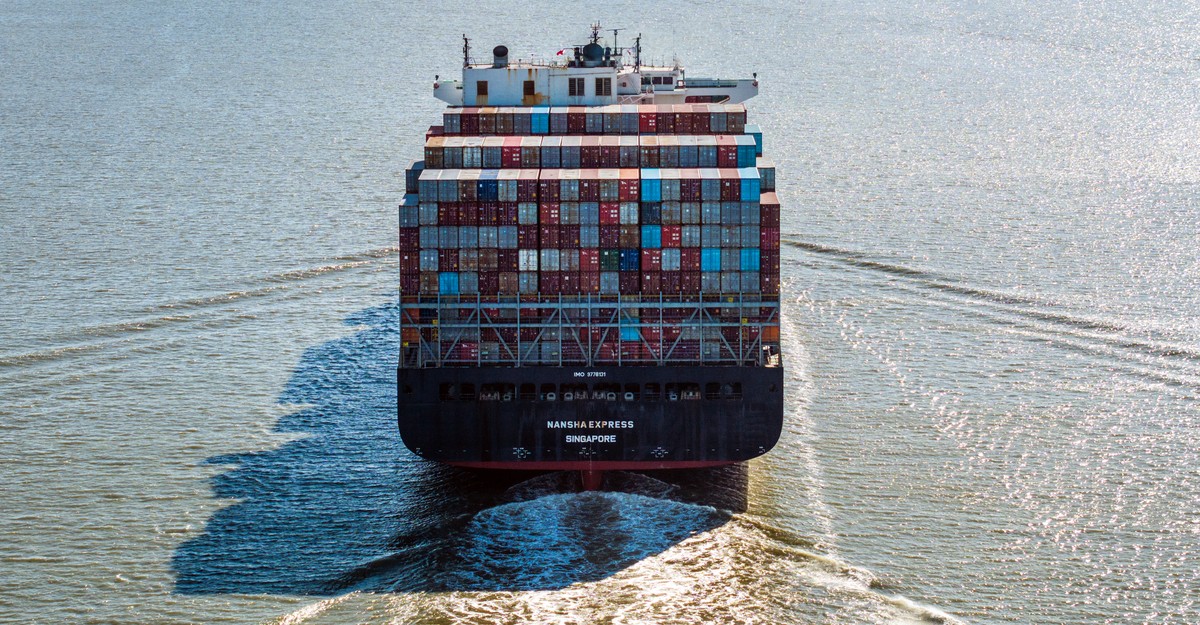
In the two weeks since the U.S. and Israel launched attacks against Iran, thousands of vessels have experienced navigation interference in the Persian Gulf. Commercial shipping through the strait, which carries roughly 20 percent of the world's oil, has nearly ground to a halt. Though rocket and drone attacks are also to blame, another major hazard is GPS spoofing—the transmission of counterfeit satellite navigation signals.