#thor
#thor
[ follow ]
fromInverse
4 months ago15 Years Later, Marvel's Most Inconsistent Hero Finally Feels Complete
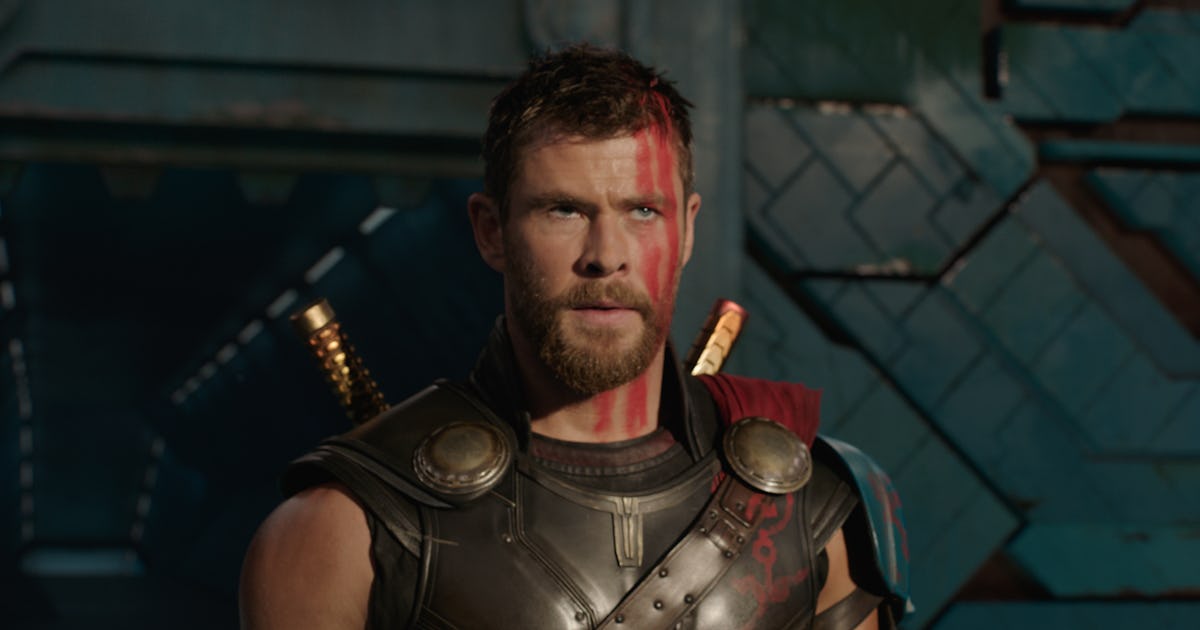
Chris Hemsworth's Thor may be the most tragically misunderstood character in Marvel's Cinematic Universe. At the very least, he's the most inconsistent: he suffers the most from Marvel's episodic approach, with each writer and director delivering a different idea of his character. Kenneth Branagh introduced Thor as an upstart prince who spoke in Shakespearean verse; those who followed used him as either comic relief or a punching bag, saddling him with one tragedy after the next in lieu of true character development.
Film
fromwww.theguardian.com
5 months agoHere in Sweden, the Vikings are back. And this time they're searching for stability in a chaotic age | Siri Christiansen
Hail Thor! The priestess and her heathens, standing in a circle, raised their mead-filled horns. We were gathered in an unassuming spot in a pine forest outside Stockholm. This was our temple, and the large, mossy stone before us was our altar. I was relieved to see that the animal-based sacrificial offerings were long-dead and highly processed. A bearded man reached his tattooed arms into his backpack and raised a red, horseshoe-shaped sausage to the sky.
Writing
fromWorld History Encyclopedia
7 months agoThe Meanings of Mjolnir: Thor's Hammer & More
In the extant myths of the Norse people and in the archaeological record alike, Mjölnir seems to have had several meanings. From its creation by dwarves to Bronze Age rock carvings, through the Christian conversion of Scandinavia to Thor's dressing as a bride after its theft by a giant, and into the mythic aftermath of Ragnarök, Mjölnir's symbolism reverberated through time.
History
[ Load more ]