#trumps-greenland-claims
#trumps-greenland-claims
[ follow ]
#greenland #nato #arctic-security #us-foreign-policy #us-denmark-relations #sovereignty #greenland-sovereignty




fromFast Company
2 months agoHow Trump's Greenland ambitions could destroy the modern world order
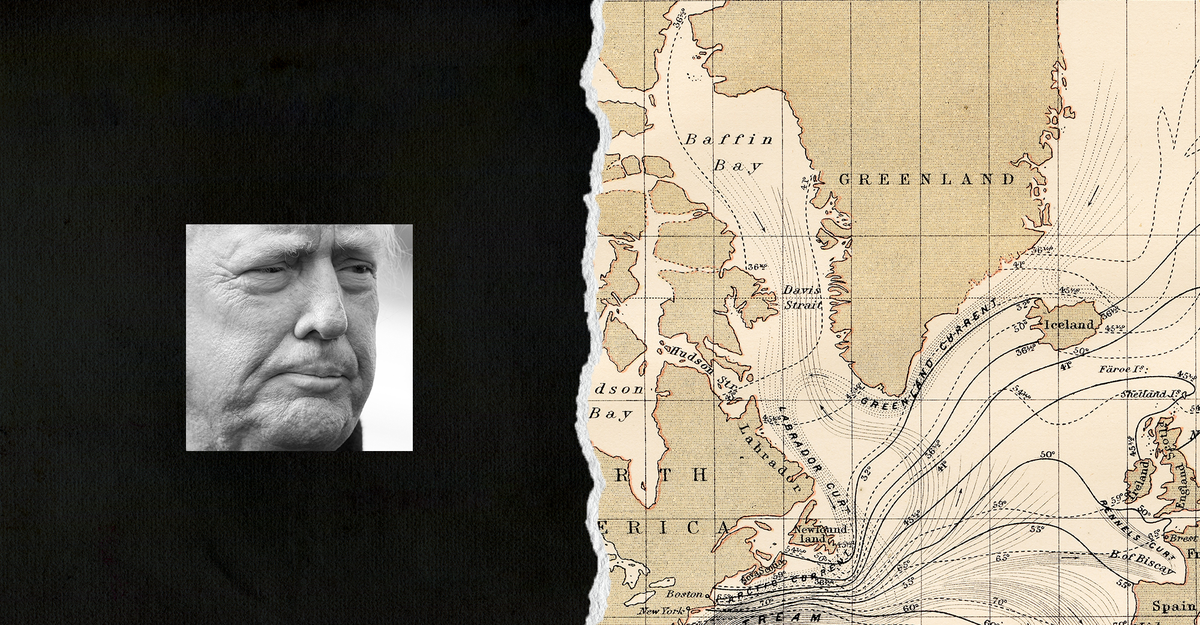
President Donald Trump's relentless and escalating drive to acquire Greenland from Denmark, whose government- along with that of Greenland-emphatically rejects the idea, has unnerved, offended, and outraged leaders of countries considered allies for decades. It's the latest, and perhaps most significant, eruption of an attitude of disdain towards allies that has become a hallmark of the second Trump administration, which has espoused an America First approach to the world.
US politics
fromwww.dw.com
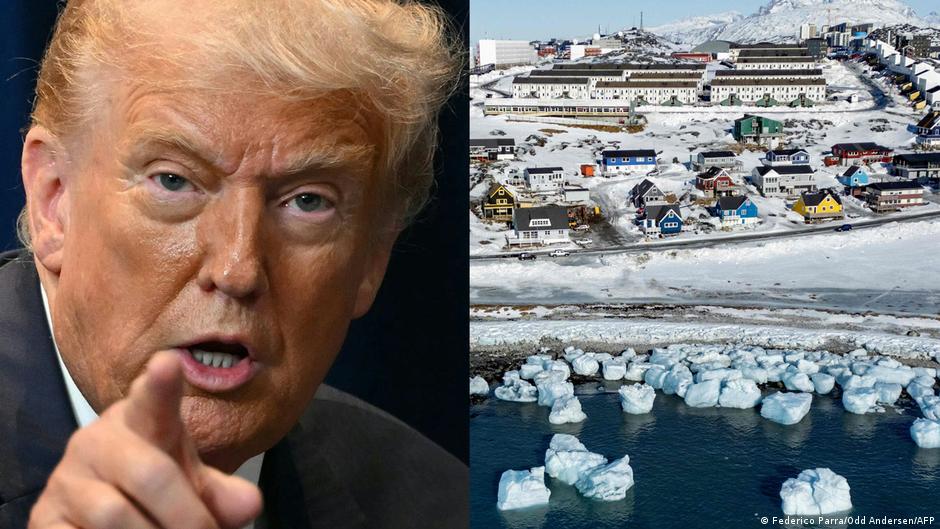
2 months agoHow Trump's 'piece of ice' Greenland remark echoes history
It also echoed a longstanding pattern by colonial powers to apply their own ideas of land ownership to places that were already inhabited, often overlooking established local systems. Greenland's Inuit hold land to be shared collectively, rather than privately owned, an idea that fundamentally conflicts with Trump's desire to buy or otherwise acquire the country. Historically, in many Indigenous societies, people saw themselves as stewards of the land, managing it through seasonal hunting and harvesting, safeguarding water sources and maintaining ancestral sites.
US politics
fromwww.dw.com
2 months agoTrump's Greenland 'piece of ice' remark echoes history
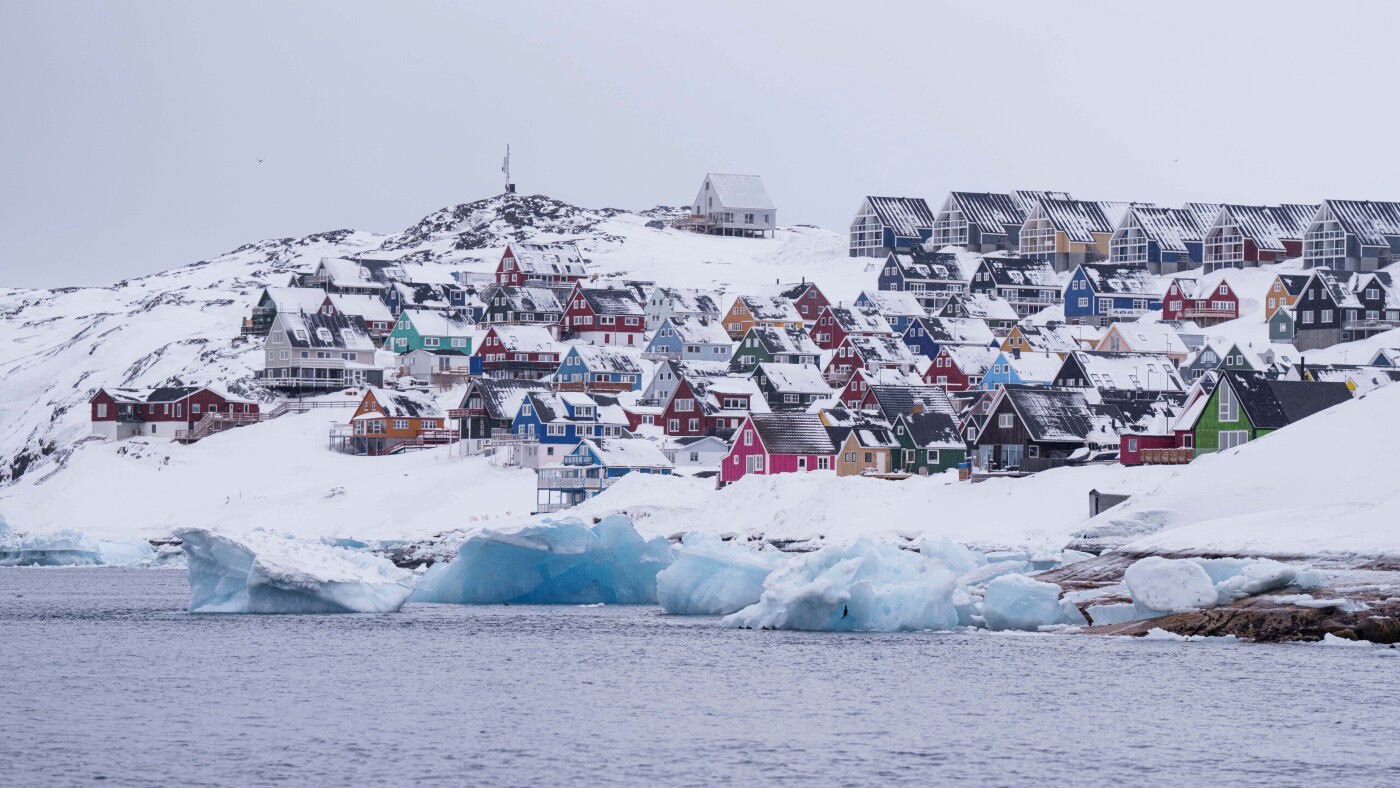
When US President Donald Trump referred to Greenland as "a piece of ice" during his recent speech at the World Eonomic Forum in Davos, the remark jarred: Greenland has been inhabited for close to five millennia and is home to over 56,000 people, mostly of Inuit descent. It also echoed a longstanding pattern by colonial powers to apply their own ideas of land ownership to places that were already inhabited, often overlooking established local systems.
World news
Miscellaneous
fromLondon Business News | Londonlovesbusiness.com
2 months agoTrump, Greenland and the end of illusions - London Business News | Londonlovesbusiness.com
Current U.S. leadership has become unpredictable and undermines European security partnerships, weakening NATO cohesion, deterrence, and transatlantic economic cooperation.
Miscellaneous
fromLondon Business News | Londonlovesbusiness.com
2 months agoGreenland braces for an attack and Denmark warns NATO will be finished - London Business News | Londonlovesbusiness.com
Denmark warns a US military attack on Greenland would end NATO after Trump's expressed interest in acquiring Greenland and its minerals.
fromwww.dw.com
2 months ago'Hands off Greenland' protests to draw thousands
Protests are also planned in the Danish cities of Aarhus, Aalborg, and Odense. The demonstration in Greenland's capital, Nuuk, is scheduled to begin at 4:00 pm (1500 GMT), according to the organizers, who say it is "against the United States' illegal plans to take control of Greenland." Demonstrators are set to march to the US consulate carrying Greenlandic flags. At least 900 people in Greenland said on its Facebook page that they planned to participate in the event.
Miscellaneous
World news
fromFortune
2 months agoThe weak business case for Trump acquiring Greenland: a $1 trillion price tag and few returns for two decades | Fortune
Buying Greenland would likely cost at least $1 trillion over decades and lacks economic justification due to high development costs and cheaper global resource alternatives.
[ Load more ]