Perhaps a more uncontroversial and profound Turing test is the mystery of the absolute arbitrariness of what makes us happy. Looking over this year's list, patterns emerge-trips, new friends-but much more here inheres in the mundane, lowercase, sense-activating thinginess of life: walking through clouds of butterflies, eating candy alone, homemade stew, wearing pink glitter, cold clementines in a hot bath. Joy is not second-hand. Its unpredictability identifies us as precisely as our fingerprints.
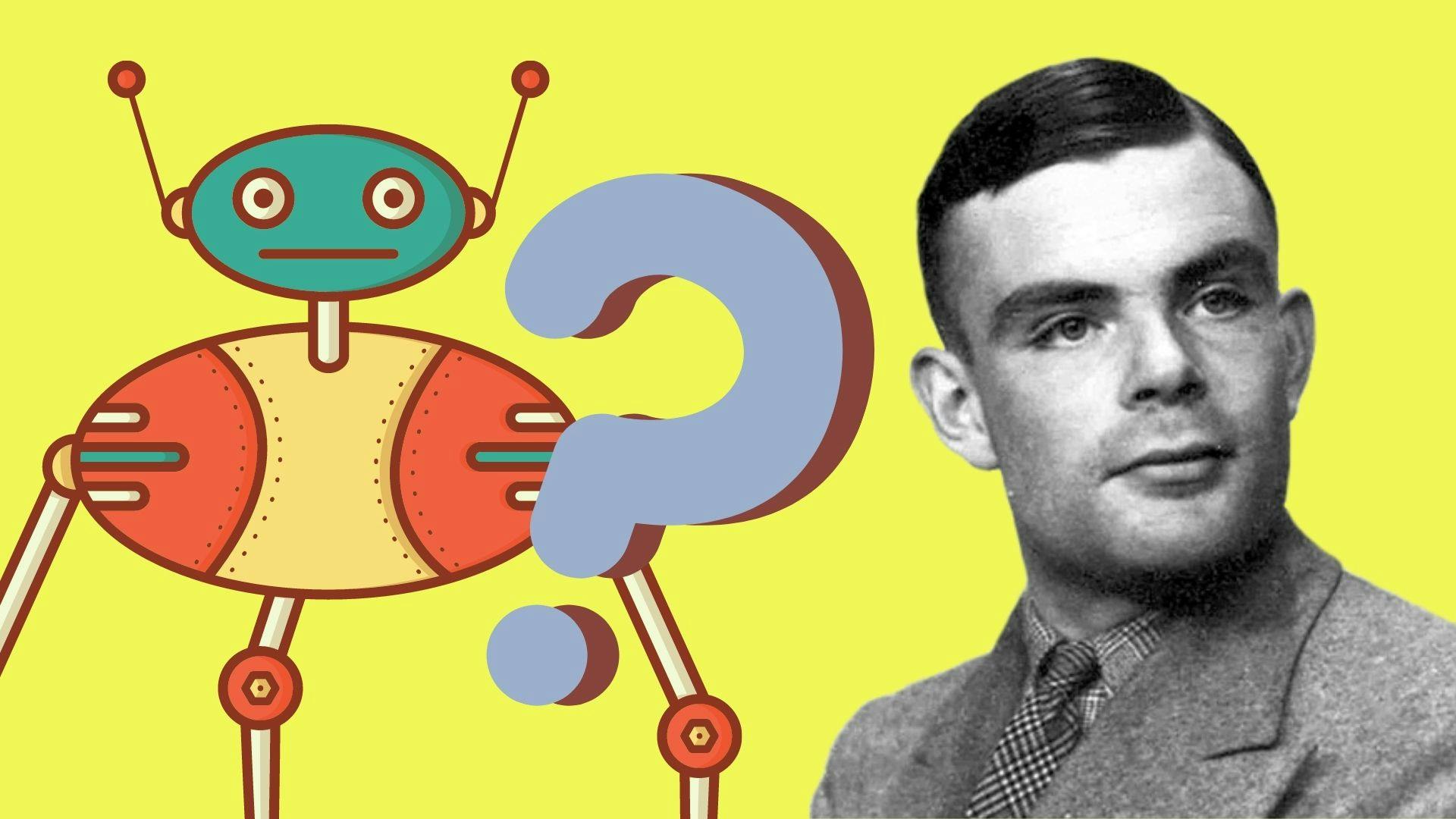
The Turing test, a long-established tool for measuring machine intelligence, gauges the point at which a text-generating machine can fool a human into thinking it's not a robot. ChatGPT passed that benchmark earlier this year, inaugurating a new technological era, though not necessarily one of superhuman intelligence. More recently, however, artificial intelligence passed another threshold, a kind of Turing test for the eye: the images and videos that A.I. can produce are now sometimes indistinguishable from real ones.