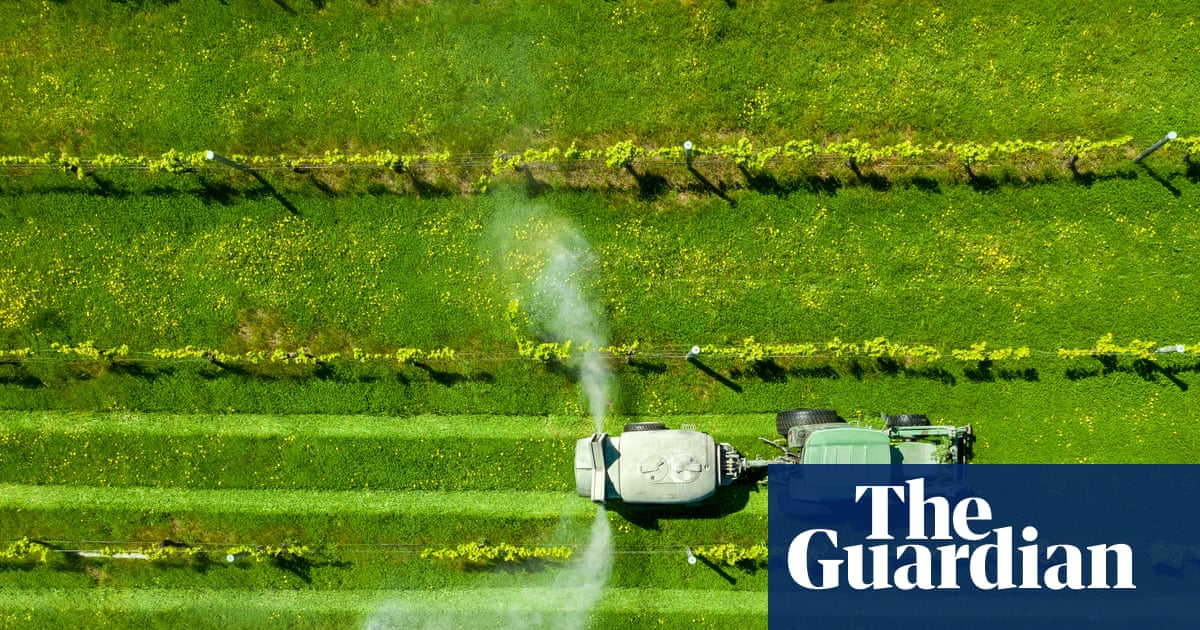
"About half the world’s food production relies on synthetic nitrogen fertiliser, or urea. It’s a product made using ammonia — a chemical derived from gas via the Haber-Bosch process. Walsh describes Haber-Bosch as kind of the miracle of the last century. It basically meant that we could continue to feed all of the people on the planet and also convert methane into other types of chemicals."
"A lot of fertiliser currently applied on crops is wasted, with more than half lost via leaching into water or air. The first step involves turning gas into hydrogen. Amandine Denis-Ryan, chief executive of the Australian branch of the Institute for Energy Economics and Financial Analysis (IEEFA), says that makes ammonia a good candidate for using green hydrogen made by splitting water into hydrogen and oxygen using a process powered by renewable energy."
"Globally 80% of ammonia is used to make fertiliser. But Denis-Ryan says that in Australia the split is roughly 50/50 — half is used to make explosives (for mining), and half for fertilisers to grow food. Explosives are probably the most prospective application for green ammonia, she says. Ammonia is a logical place to kickstart a local hydrogen industry, she says, as up to 30% of existing ammonia feedstock can be swapped for green hydrogen without requiring major plant upgrades."
"When it comes to growing food, Prof Kadambot Siddique, director of the Institute of Agriculture at the University of Western Australia, says optimising fertiliser use, crop rotation and substituting organics are all strategies to reduce reliance on imported products. A lot of the fertiliser currently applied on crops is wasted, he says. The best efficiency is up to 30 or 40%, Siddique says. The rest is los"
About half of global food production relies on synthetic nitrogen fertilizer, commonly urea, produced from ammonia made from gas through the Haber-Bosch process. Haber-Bosch enabled continued feeding of the planet and conversion of methane into other chemicals. Much fertilizer applied to crops is wasted, with more than half lost through leaching into water or into air. Ammonia can be produced using green hydrogen made by splitting water with renewable energy. Globally, about 80% of ammonia is used for fertilizer, while in Australia the split is roughly half for explosives and half for fertilizer. Green ammonia could start a local hydrogen industry because up to 30% of feedstock can be swapped without major plant upgrades. Fertilizer efficiency can be improved through optimized use, crop rotation, and substituting organics.
#synthetic-nitrogen-fertilizer #haber-bosch-process #green-hydrogen #ammonia-production #fertilizer-efficiency
Read at www.theguardian.com
Unable to calculate read time
Collection
[
|
...
]