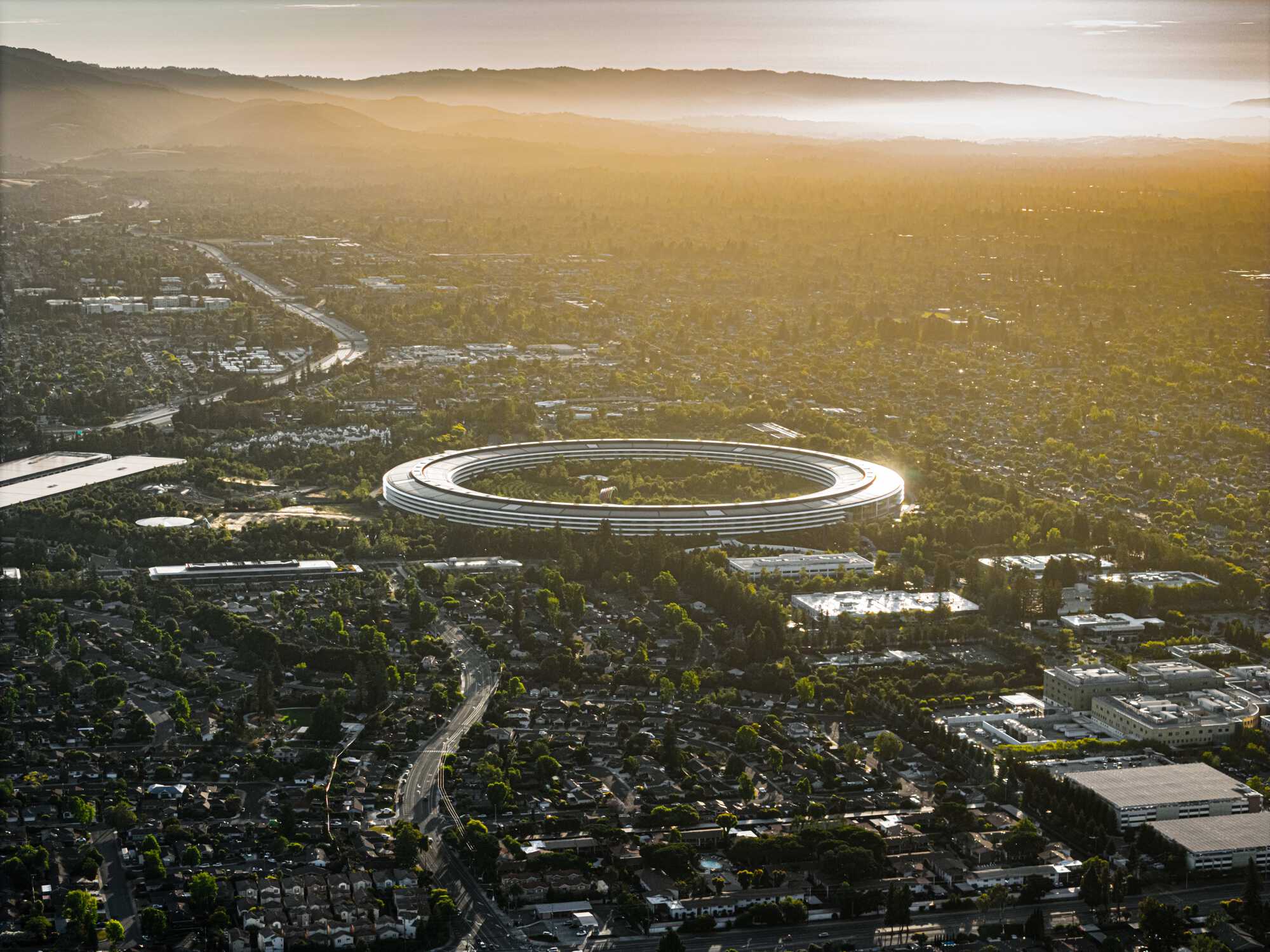
"Over the past two decades, Apple has developed a consistent architectural language that extends its brand into the built environment, transforming stores, workplaces, and public-facing spaces into active components of its identity. These environments guide movement, frame interaction, and condition the ways in which users encounter both products and the company itself."
"From the handheld device to the urban interior, Apple has sought to maintain a high degree of control over form, material, and experience. Architecture becomes part of this system when the company begins to define how it is perceived and engaged with in physical space. Research on retail environments has shown how spatial layout, visibility, and circulation patterns can shape behavior and interaction, turning architecture into an interface between brand and user."
"In Apple's case, this interface is carefully constructed through an economy of means, where reduced palettes and clear geometries conceal a high level of coordination. Material, proportion, light, and movement are calibrated to produce continuity between object and environment. The development of this architectural language can be read through a sequence of transformations: from the Apple Store as a redefinition of retail space, to its expansion into a hybrid urban environment, and finally to its consolidation at the scale of the corporate campus."
"When Apple opened its first retail stores in 2001, in Tysons Corner and Glendale, it entered a field that was spatially stagnant. Consumer electronics retail at the time relied on density, cluttered signage, and rigid product segmentation, organizing space around transactional counters that acted as physical barriers. In collaboration with Eight Inc., Apple proposed a different model based on spatial clarity and direct engage"
Apple marked fifty years since its founding in 2026. Over two decades, Apple developed a consistent architectural language that extends its brand into built environments, including stores, workplaces, and public-facing spaces. These environments guide movement, frame interaction, and shape how users encounter both products and the company. Apple maintains control over form, material, and experience from handheld devices to urban interiors. Spatial layout, visibility, and circulation patterns influence behavior and interaction, making architecture function as an interface between brand and user. Apple constructs this interface through reduced palettes and clear geometries, coordinating material, proportion, light, and movement to create continuity between object and environment. The language evolves from retail redefinition to hybrid urban expansion and finally to corporate campus consolidation.
#apple-retail-design #brand-architecture #spatial-layout-and-circulation #material-and-lighting #corporate-campus-design
Read at ArchDaily
Unable to calculate read time
Collection
[
|
...
]