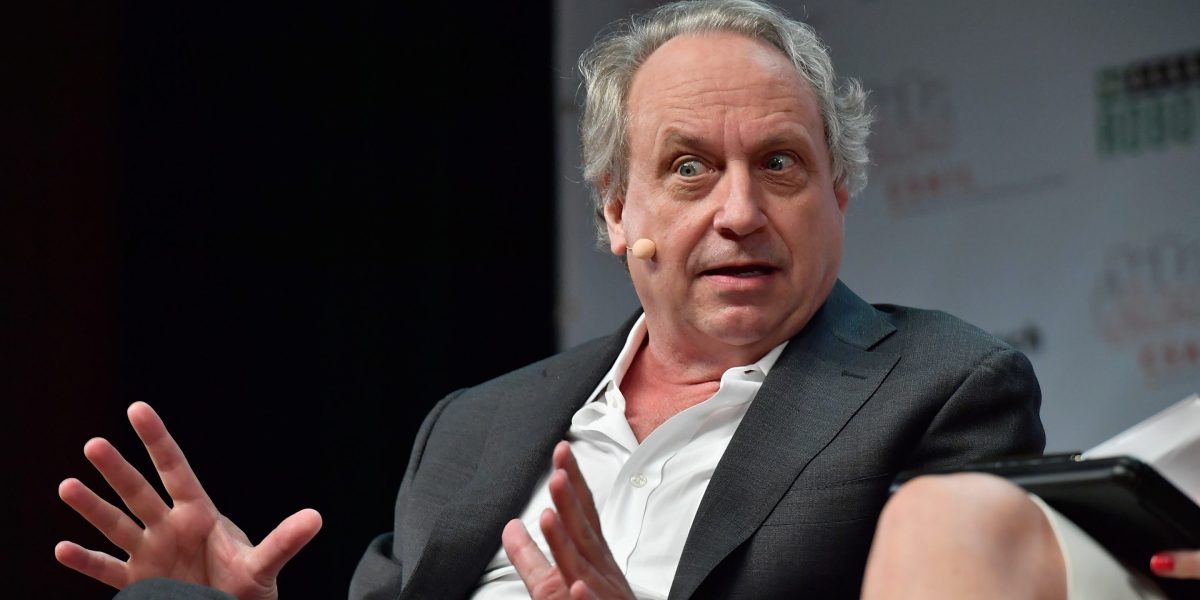
"Rodney Brooks, the cofounder of Roomba vacuum creator iRobot, said the idea of humanoid robots as catchall assistants, the future Elon Musk envisions, is "pure fantasy thinking," in part because robots are coordination-challenged. "Today's humanoid robots will not learn how to be dexterous despite the hundreds of millions, or perhaps many billions of dollars, being donated by VCs and major tech companies to pay for their training," said Brooks in a blog post."
"The sensation of touch is one of the most complex systems in the human body. The human hand contains 17,000 low-threshold mechanoreceptors for picking up light touches, which become denser toward the end of the fingertips. The receptors in your hands respond to myriad stimuli-like pressures-vibrations in sync with 15 different families of neurons. All of this adds up to a complex mechanism that humans want to replicate in robots."
"While AI has been trained on large amounts of speech-recognition and image-processing data, "we do not have such a tradition for touch data," Brooks said, adding he takes issue with the way both Musk's Tesla and AI-robotics company Figure are training their humanoid robots, with videos of humans performing tasks, assuming this will result in vastly improved dexterity."
Humanoid robots face major coordination and dexterity limitations that massive funding has not solved. Human touch is extremely complex: the hand contains roughly 17,000 low-threshold mechanoreceptors and multiple neuron families encoding pressure and vibration. Robotics lacks large-scale touch-data traditions comparable to speech and image datasets, limiting current training approaches. Training humanoids from videos of human demonstrations overlooks tactile feedback and nuanced manipulation skills. Allocating a portion of industry funding to university research could accelerate progress. Commercial robotics ventures have experienced financial distress and restructuring amid falling valuations.
Read at Fortune
Unable to calculate read time
Collection
[
|
...
]