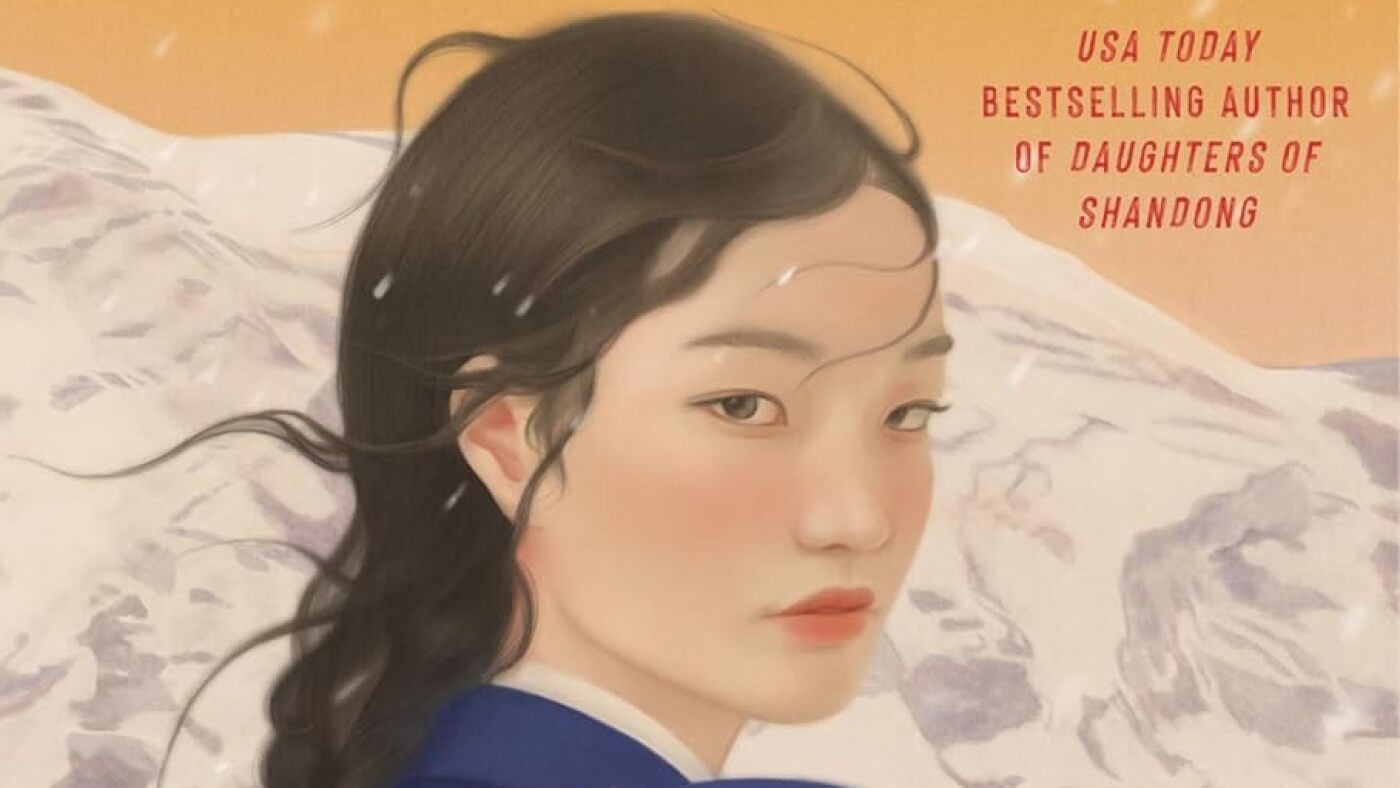
"After being turned away from press briefings and denied the opportunities afforded to her white, male colleagues, Ellie decides to take her reporting instincts elsewhere. She hitches a ride with a military plane largely carrying injured men. When their plane is shot down in North Korean territory, Ellie is saved by a North Korean woman who claims Ellie as her long lost daughter, Yun-Hee, a girl who was drafted at 14 during the Imperial Japanese occupation of Korea."
"During World War II, which took place shortly before the events of this novel, the Japanese Imperial Army implemented “comfort stations” a system that forced women from Japanese colonies, including Korea, Taiwan, the Philippines and more to become sex slaves. Later in the novel, Chung references Kim Hak-soon, a victim of sexual slavery who publicly testified about her experience in 1991, opening the floodgates for other survivors to come forward."
"Ellie has made a name for herself covering the women at the heart of the Korean War. After being stranded in a place she's only known as enemy territory, the two worlds that Eleanor “Ellie” Chang has straddled her entire life become one, and she is left with one ally and enemy in the same: humanity. Chung has delivered a well-researched, historical novel that tackles some topics American history books and school curriculums often fail to address: the Korean War, war-time sexual violence, and the impact of mass bombings on civilians."
"As Ellie gets to know this woman, she learns that Yun-Hee is missing: The mother fears her daughter was forced to become a “comfort woman” and won't acknowledge the possibility that she is dead. Throughout the novel, Chung places an emphasis on the power of words. Yun-Hee's mothe"
A Chinese American war correspondent covering women during the Korean War is stranded in enemy territory after being denied press access. Her reporting instincts lead her onto a military plane carrying injured men, which is shot down in North Korea. She is saved by a North Korean woman who claims she is her long-lost daughter, Yun-Hee, drafted at 14 during the Imperial Japanese occupation of Korea. Yun-Hee is missing, and her mother fears she was forced to become a “comfort woman” and refuses to accept she may be dead. The story connects wartime sexual violence to the Japanese “comfort stations” system that enslaved women from multiple colonies. It also references Kim Hak-soon’s 1991 testimony and emphasizes the power of words.
#korean-war #war-time-sexual-violence #japanese-imperial-occupation #human-rights #historical-fiction
Read at www.npr.org
Unable to calculate read time
Collection
[
|
...
]