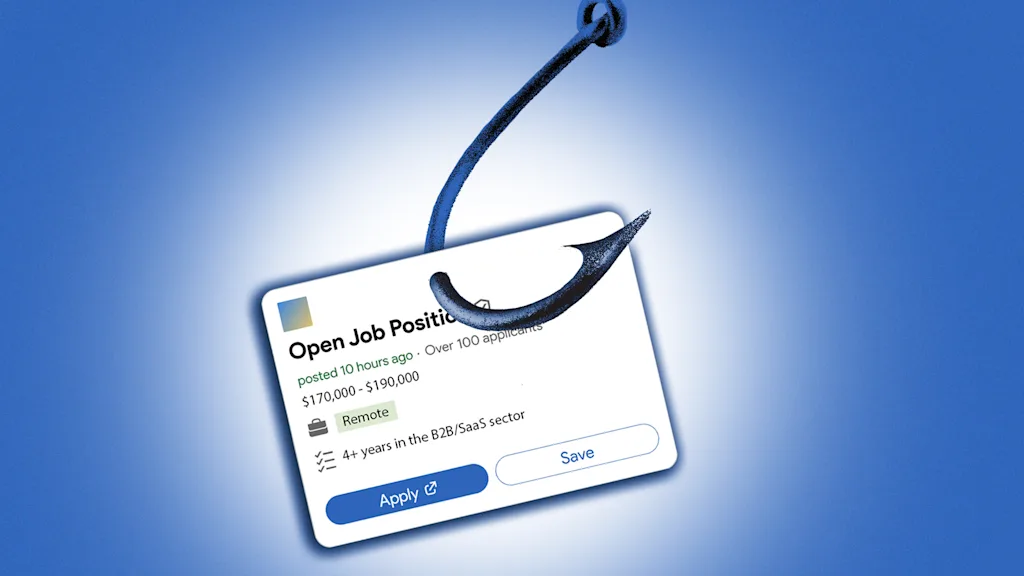
"A Monster survey found that 80 percent of US workers felt their employers had catfished them. Career or job catfishing is a dumb game employers play where they lie to candidates. It's also called "bait and switch," and it's costing your company."
"While definitions vary (as it appears to be a fairly new term), it boils down to employers misrepresenting the job they are offering. Right now, remote work is a big area where companies catfish. They advertise a position as remote or hybrid when it is not."
"Inflating titles to attract highly qualified people can be one. Deflating titles to get someone on board cheaply. Describing the job as having "flexibility" when it does not. Having a job description emphasize A, and when the person shows up, the focus of the job is B."
"Describing the culture in one way, but that is not the actual culture. Promising bonuses and perks that never materialize. Basically, any lie that gets a candidate to sign on the dotted line can be a form af career catfishing."
A survey found that 80% of US workers felt their employers had catfished them. Career or job catfishing involves employers lying to candidates about the role being offered, often called bait and switch. Remote work is a major area where companies advertise positions as remote or hybrid when they are not. Catfishing can also include inflating titles to attract qualified people, deflating titles to hire cheaply, describing false flexibility, shifting the job focus after the candidate starts, misrepresenting company culture, and promising bonuses or perks that never materialize. Any deception that leads a candidate to sign can be career catfishing and can increase turnover costs.
#employer-deception #job-catfishing #remote-work-misrepresentation #hiring-and-recruitment #employee-turnover
Read at Inc
Unable to calculate read time
Collection
[
|
...
]