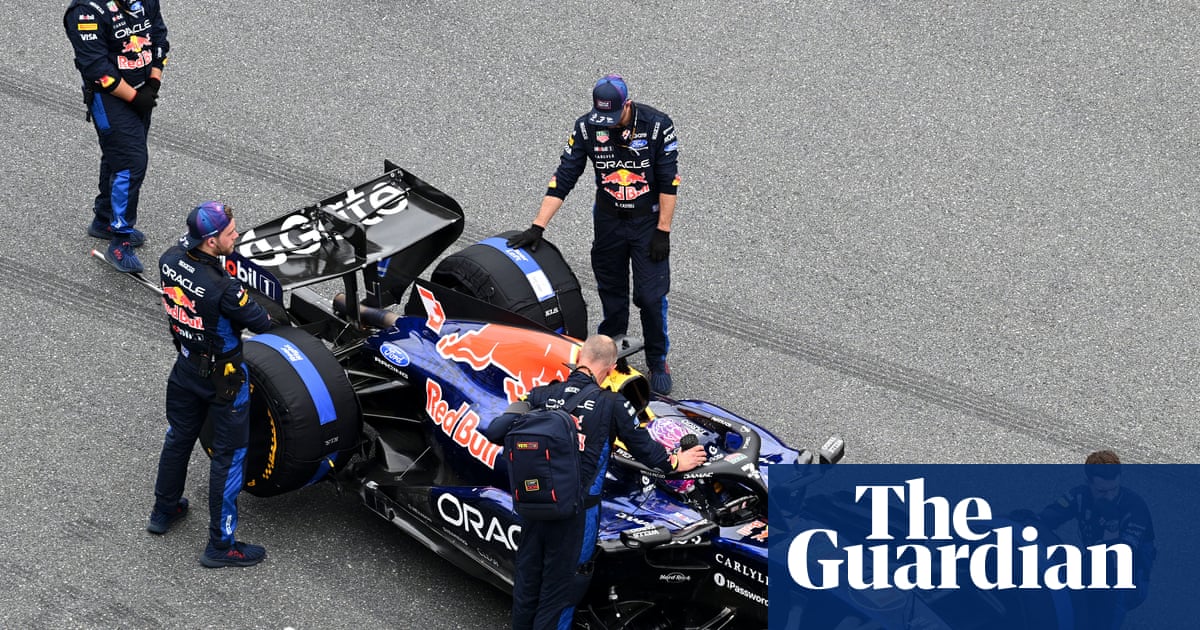
"Formula One has agreed to make engine design changes for the 2027 season in response to the unhappiness of many leading drivers at the way this year's new-generation engines have affected how they race. At a meeting on Friday, the FIA, F1, teams and engine manufacturers reached an agreement, subject to formal approval, to fast-track changes to the regulations to allow fresh engines to be used next season."
"The intention is to address the level of energy management drivers undertake on each lap, with the current engines at almost a 50-50 split between the internal combustion engine (ICE) and electrical energy. This has led at times to counterintuitive driving and the yo-yoing of positions that has left many drivers frustrated as well as safety concerns because of closing speeds."
"From 2027 the split will be closer to 60-40 in favour of the ICE, through an increased fuel flow to the combustion engine, and reducing the power output of the hybrid unit from 350kW to 300kW. It is hoped the change will allow drivers to run their cars flat-out rather than having to focus on harvesting electrical energy."
"This will allow them to push through corners and not be penalised for doing so on the following straight due to the paucity of energy harvested though the corner, and to remove the need to recover energy while on full throttle or having to lift and coast. Red Bull's Max Verstappen had been an outspoken critic of how the regulations have curtailed the drivers, dismissing the biggest change in a generation as Formula E on steroids."
FIA, F1, teams, and engine manufacturers agreed to fast-track 2027 engine design regulation changes, pending formal approval. The goal is to address how energy management affects lap-by-lap racing. Current engines operate with an almost 50-50 split between internal combustion and electrical energy, which has produced counterintuitive driving, position yo-yoing, driver frustration, and safety concerns from high closing speeds. For 2027, the split will shift closer to 60-40 toward the internal combustion engine by increasing fuel flow and reducing hybrid power output from 350kW to 300kW. The change aims to let drivers run flat-out through corners without being penalized on straights, and to reduce the need to recover energy at full throttle or lift and coast.
Read at www.theguardian.com
Unable to calculate read time
Collection
[
|
...
]