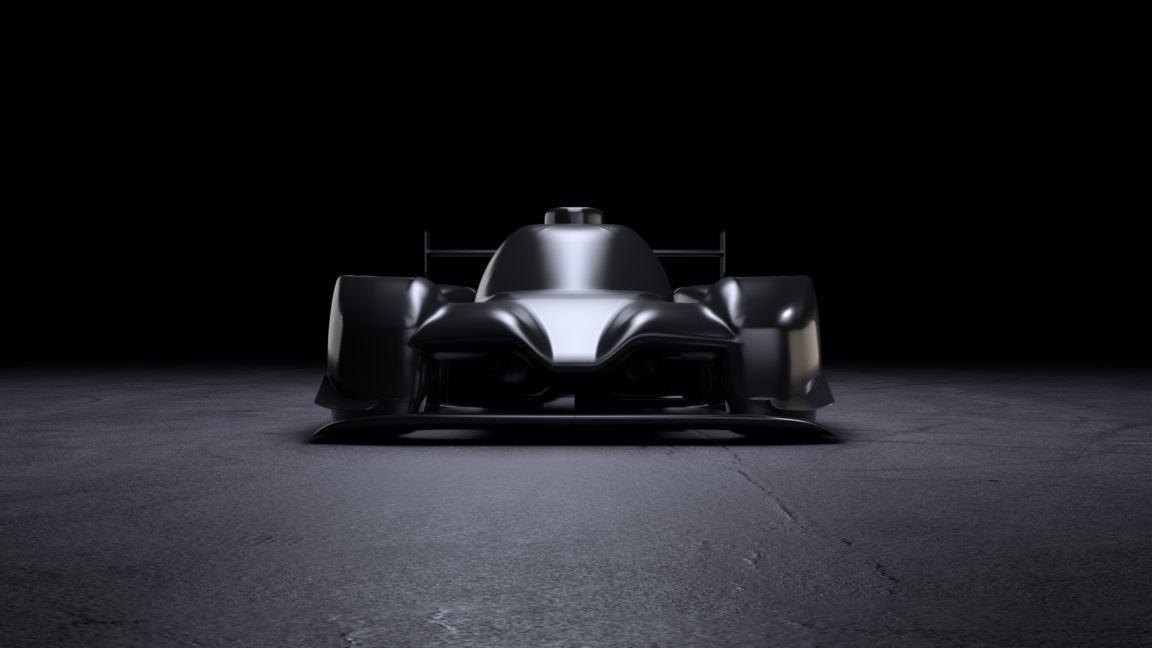
"The use of wind tunnels to simulate its effect on scale models of cars was in its infancy, so teams were mostly limited to expensive and sometimes dangerous track testing."
"Computational fluid dynamics (CFD) simulation came next, allowing for modeling the effect of airflow on a virtual model of a car, which was cheaper and faster than wind tunnel time."
"As CFD has gotten more capable, it has also become more expensive, taking thousands of hours of processor time to model a car and explore effects like pitch and yaw."
The introduction of wings in racing cars during the 1960s transformed design priorities from minimizing drag to maximizing aerodynamic downforce for better grip. Early methods relied on limited wind tunnel testing, but advancements in computational fluid dynamics (CFD) allowed teams to simulate airflow effects more efficiently. While CFD has become essential for design validation, its increasing complexity and cost present new challenges for motorsport teams, necessitating a balance between simulation and physical testing.
Read at Ars Technica
Unable to calculate read time
Collection
[
|
...
]