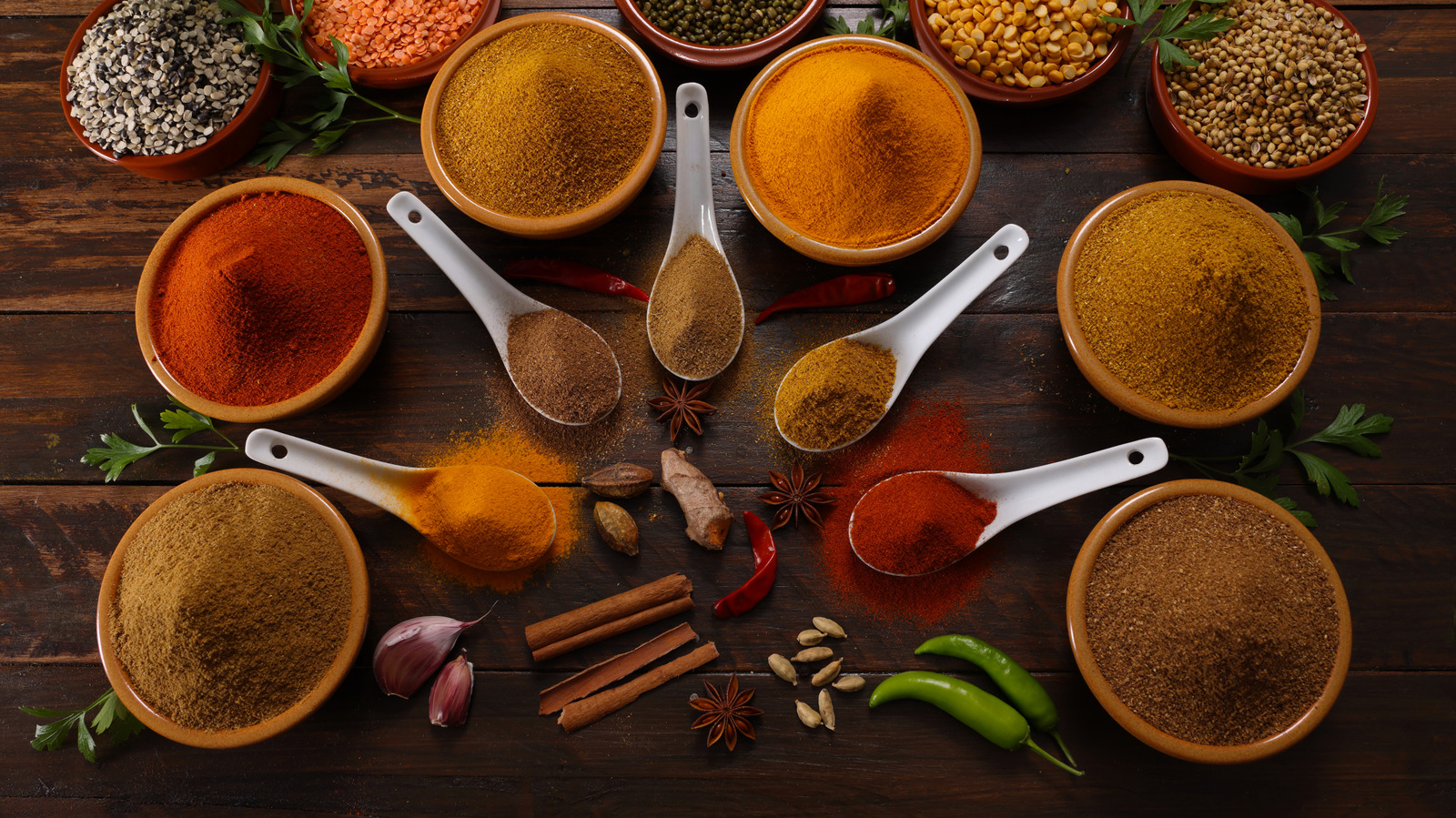
"Middle Eastern and North African cuisine is specifically known for its use of spices like cumin, cinnamon, saffron, and nutmeg, and blends like baharat and ras el hanout. It may also be surprising to folks who are unfamiliar with the cuisine that herbs are unsung supporting actors and play a big role in developing fragrances and flavors."
"Having an intimate knowledge and know-how of how to use these herbs and spices is something I consider to be a gift, as it makes cooking so much more interesting. Having a pantry full of aromatic spices and herbs can make you not only a better cook, but it also allows your mind to travel while making dinner in your kitchen."
"Sumac is a lesser known spice that, in my opinion, should be in every pantry. It can instantly elevate any meal. It's made from the dried berries from the Rhus coriaria shrub and has a bold tartness that surprises the taste buds. Not to mention, its beautiful crimson color looks impressive on the plate."
"Sumac ispopular in Iranian, Turkish, and Middle Eastern cuisinesand is used to brighten the flavor of dishes, similar to how lem"
Middle Eastern and North African cuisines are known for spices such as cumin, cinnamon, saffron, and nutmeg, along with blends like baharat and ras el hanout. Herbs play a major role in shaping fragrance and flavor. Building knowledge of how to use these ingredients makes cooking more interesting and helps expand culinary creativity. Sumac is presented as an essential pantry spice made from dried berries of the Rhus coriaria shrub. It has bold tartness and a crimson color that enhances presentation. Sumac is used in Iranian, Turkish, and Middle Eastern dishes to brighten flavors, including salads served with kebabs.
Read at Tasting Table
Unable to calculate read time
Collection
[
|
...
]