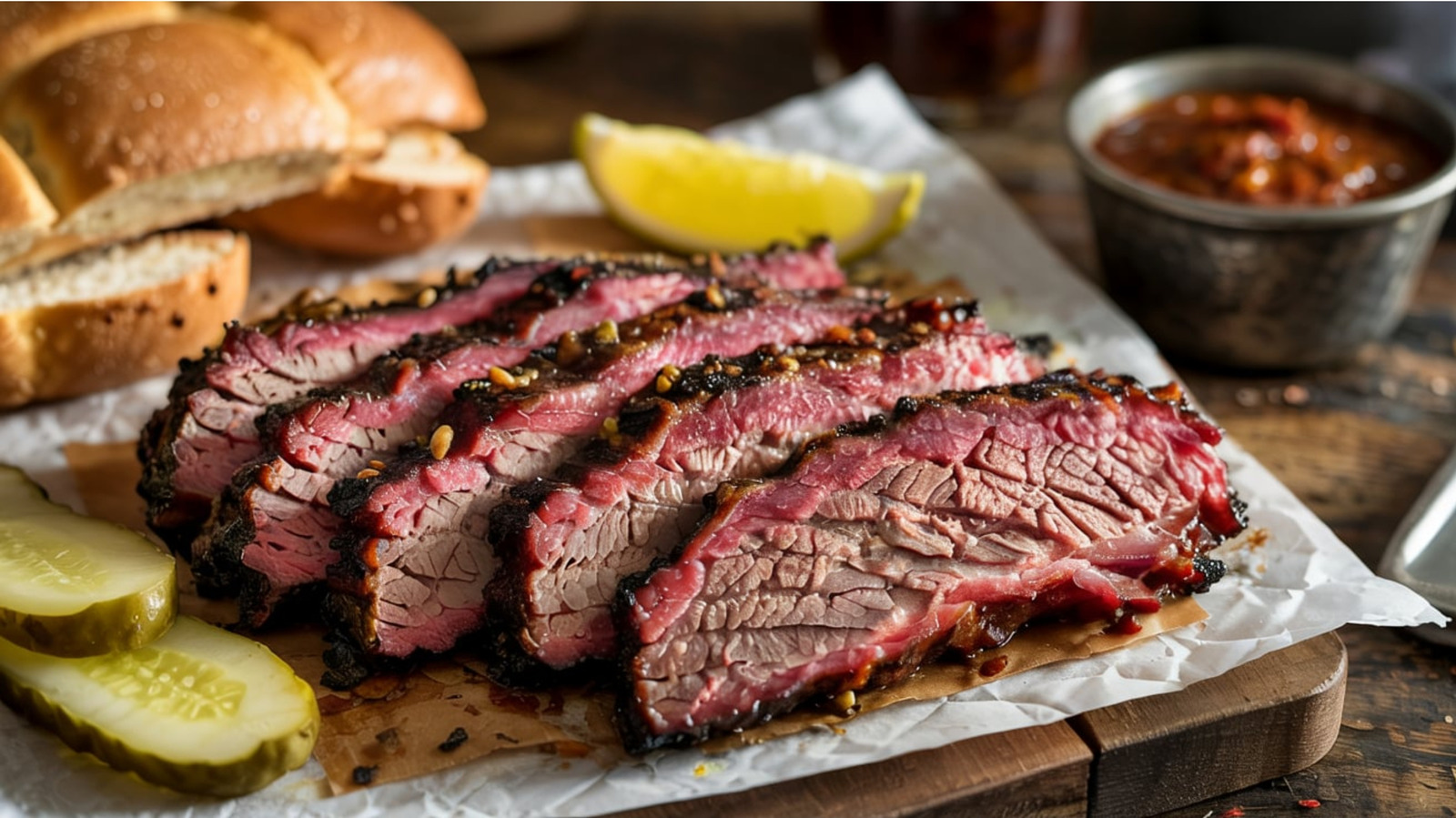
"At home, you've got full control - but you're also dealing with more variables: your smoker, your fire management, your timing, and the cut of meat you picked out yourself. Even if you're careful, each one of those variables can change enough each time to make a meaningful difference in the result."
"In a restaurant, brisket is usually cooked in larger smokers with steady, controlled heat, often by folks who are cooking it the same way day in and day out. That consistency makes a big difference."
"You've got steady, even heat across a much larger cooking surface, which helps brisket render more consistently and build a solid bark without the wild temperature swings you see on smaller home smokers."
Brisket requires long, low-temperature smoking so connective tissues and muscle fibers break down while moisture is preserved. Flavor comes from a spice rub and smoke. Even with correct temperature and timing, home brisket can differ from restaurant brisket due to inconsistent variables such as smoker performance, fire management, timing, and the specific meat cut. Professional kitchens use larger smokers with steady, controlled heat and repeatable methods. A larger cooking surface supports more even rendering and bark formation, reducing wild temperature swings common in smaller home smokers. Consistency in equipment and process helps produce more reliable results.
Read at Tasting Table
Unable to calculate read time
Collection
[
|
...
]