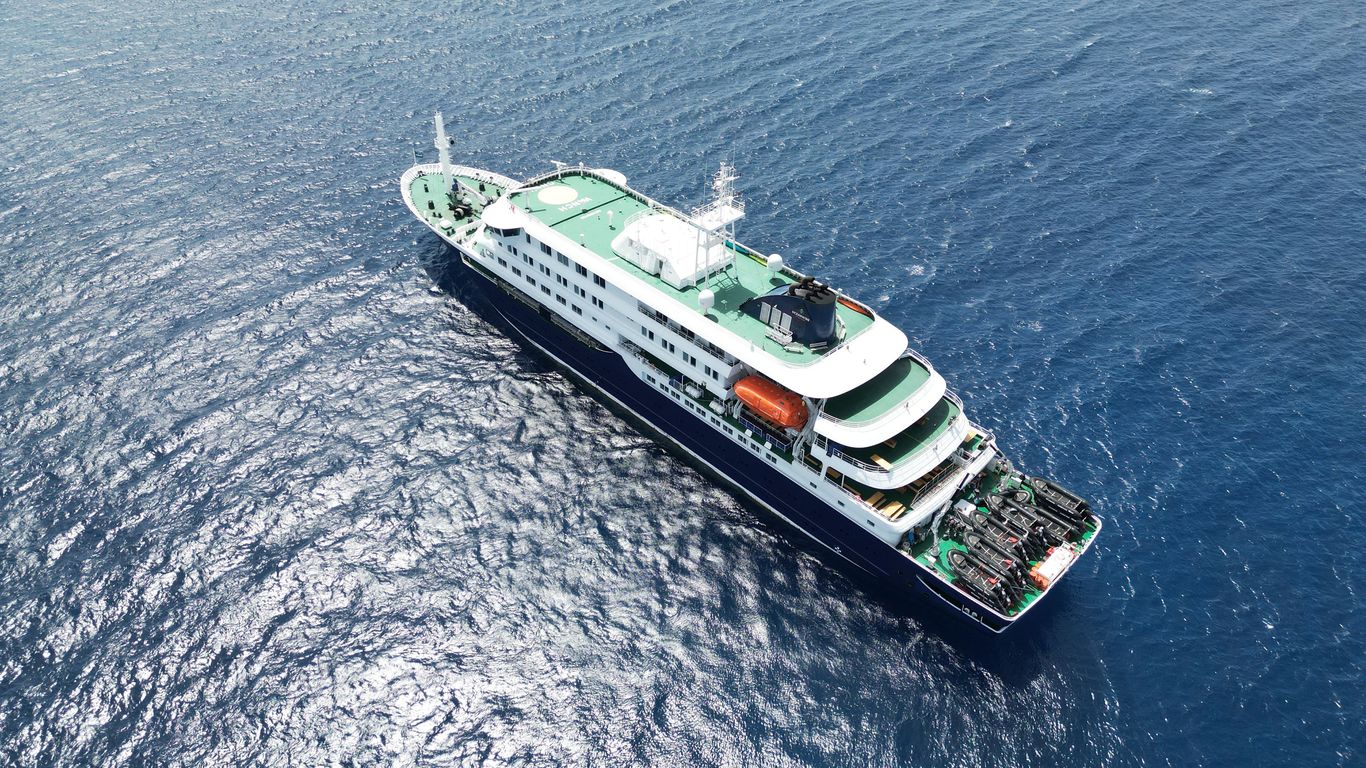
"The Andes strain of the virus, which health authorities have identified as the culprit on the cruise, is the only one known to be capable of transmission between humans. Three deaths have been reported and several others have fallen ill after the outbreak on the ship that embarked from Argentina early last month. So far, the World Health Organization (WHO) says eight suspected or confirmed cases connected to the ship have been reported."
"Abdirahman Mahamud, the WHO's director for Health Emergency Alert and Response Operations, said at a Thursday press conference that "if we follow public health measures" and lessons learned from the prior hantavirus surge that hit Argentina in 2018, "we can break this chain of transmission." Context: That doesn't mean the virus shouldn't be taken seriously. WHO officials are urging cross-border collaboration to trace and contain the spread. And they warn that with the virus's weeks-long incubation period, more cases are possible."
""This is not COVID, this is not influenza," said Maria Van Kerkhove, WHO's acting director for epidemic and pandemic management, said at Thursday's press conference. "It spreads very, very differently." Transmission, health experts said at Thursday's WHO conference, has been associated with close, prolonged contact, such as between household members, intimate partners and people providing medical care."
"Infections are rare, but come with a fatality rate of up to 50% in the Americas, per WHO. Still, WHO officials assessed that there is no current risk of a COVID-like spread. The three deaths were all ship passengers. Four others aboard the ship were later evacuated, one to South Africa and three to the Netherlands for medical treatment and obse"
The Andes strain identified on a cruise is the only known hantavirus capable of transmission between humans. Three deaths and several illnesses have been reported after the ship departed from Argentina early last month, with eight suspected or confirmed cases linked to the vessel reported so far. U.S. officials in multiple states are monitoring returning passengers, but no confirmed cases have been reported. WHO officials say the situation is not COVID-like and that transmission can be interrupted by following public health measures and lessons from a prior 2018 hantavirus surge in Argentina. The virus has a weeks-long incubation period, so additional cases are possible. Infections are rare, with a fatality rate up to 50% in the Americas, and spread is associated with close, prolonged contact such as household members, intimate partners, and medical care.
Read at Axios
Unable to calculate read time
Collection
[
|
...
]