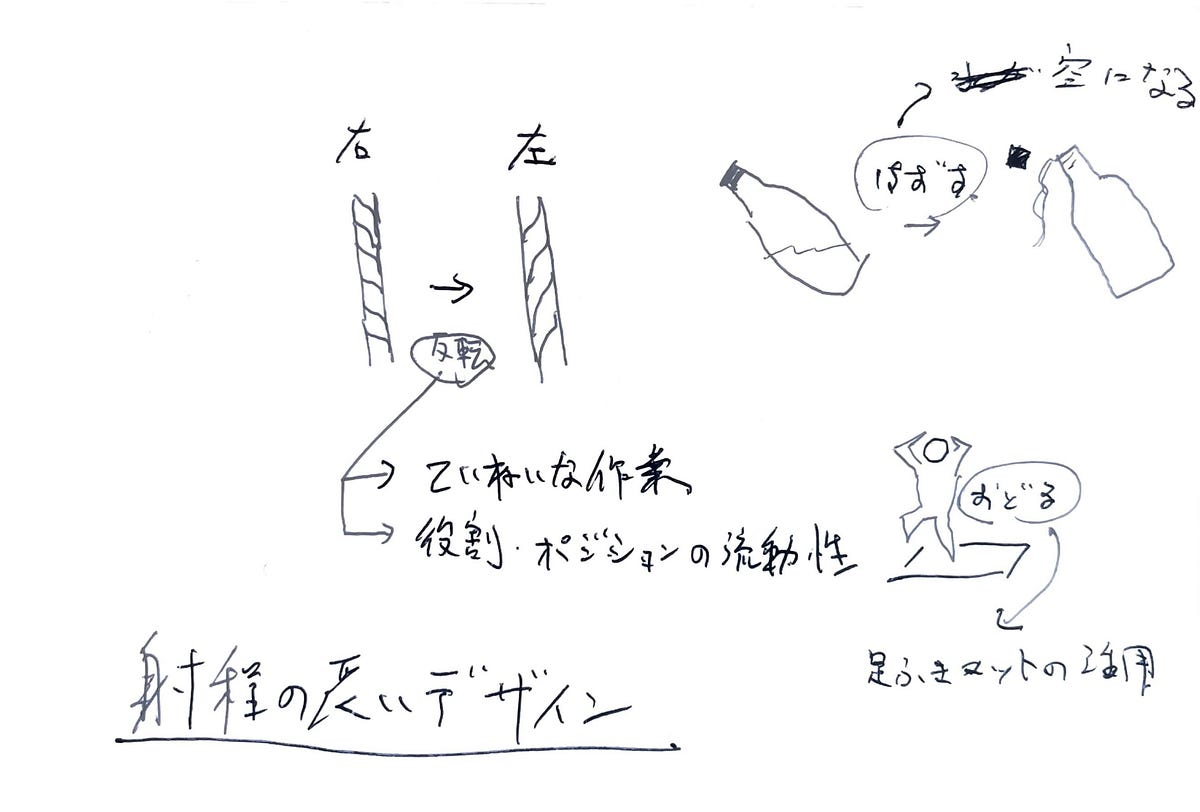
"On Ishigaki Island, where I live, the rope you hang at the entrance of a sacred grove is twisted in the opposite direction from the one you would use anywhere else. This summer, for the first time in my life, I learned to make one."
"An ordinary working rope, the kind a farmer might use to bundle hay or tie a tarp, is twisted to the right. Two strands turn clockwise around each other, the way most threads in our world have always turned. It is the natural direction for a right-handed person whose hand has done this hundreds of times before - a direction so deeply embedded in motor learning that anthropologists have studied how it gets passed down through communities of practice."
"A sacred rope - what we call shimenawa, the rope that marks the boundary of a place where the gods are present - is twisted to the left. Counterclockwise. The opposite of muscle memory. The opposite of how your hands want to move."
On Ishigaki Island, rope hung at the entrance of a sacred grove is twisted in the opposite direction from everyday ropes. Ordinary working rope is twisted to the right, with two strands turning clockwise around each other. This direction aligns with common hand motion and is reinforced through repeated practice, forming muscle memory. The sacred rope, called shimenawa, marks boundaries where gods are present and is twisted to the left, counterclockwise. This left twist runs against typical motor learning and feels unnatural to hands trained on right-twisted rope. The question raised is why this reversal exists.
Read at Medium
Unable to calculate read time
Collection
[
|
...
]