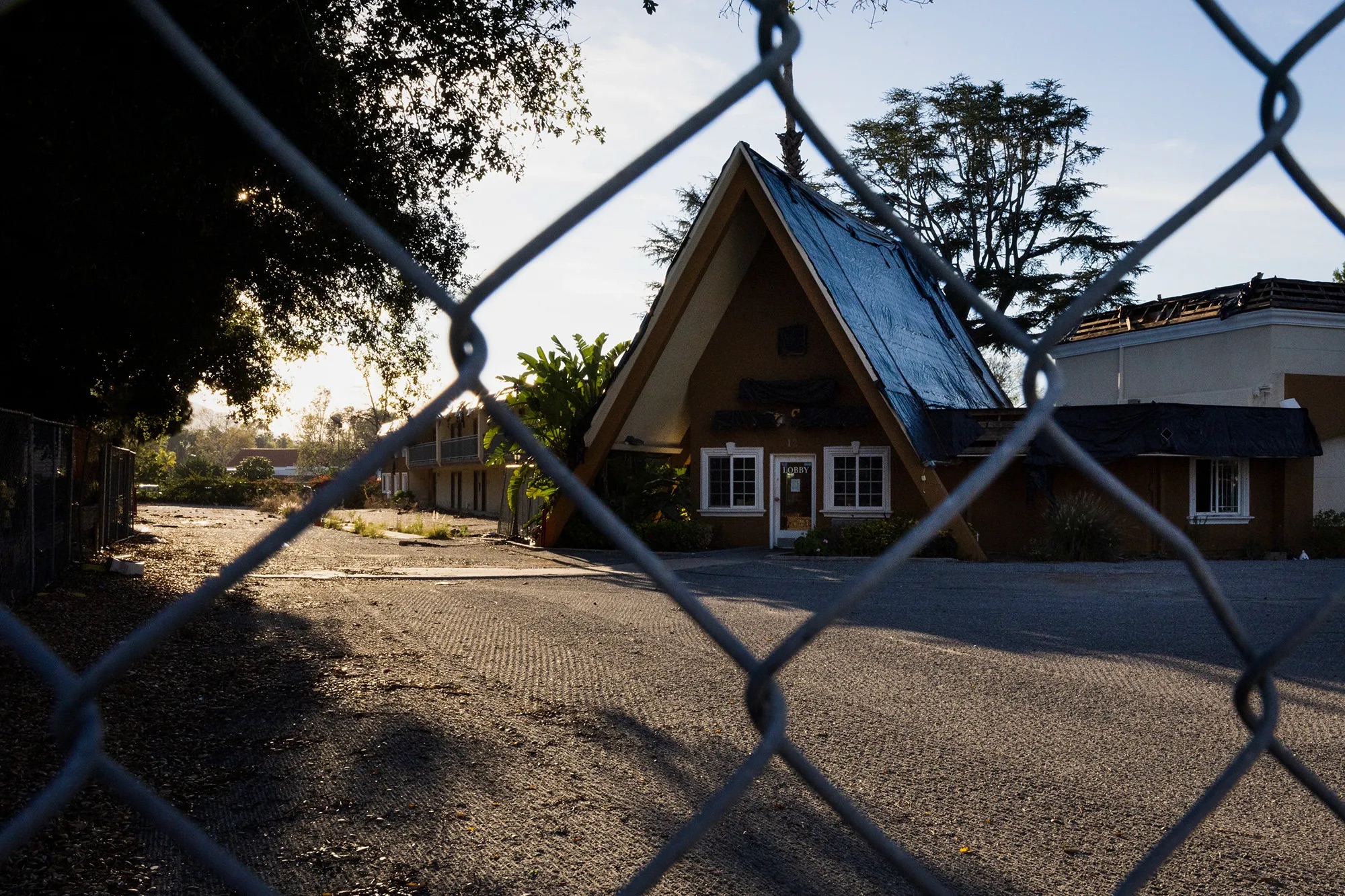
"With Homekey, local officials across the state bought and gutted Motel 6s, Best Westerns and roadside inns. They got more creative as the program evolved: Tiny homes sprouted in Silicon Valley, and Santa Cruz retrofitted an old dentist's office. In Southern California, housing took shape in a former Tri-Delt sorority house, an earthquake-stricken church and a hostel that once served as a refuge for Japanese Americans returning from World War II internment."
"The program came with little built-in oversight. Earlier this year, state lawmakers killed a bill to audit Homekey. No state agency has publicly analyzed the program in detail to find out what's working and what's not. The challenge now: A new and more complex phase is already underway with up to $2 billion from the voter-approved Prop. 1 mental health bond. But no one has publicly accounted for how many of the program's original projects stalled out and how many succeeded."
"To find out what happened, CalMatters filed more than 100 public records requests with cities and counties that were awarded Homekey funds. We asked for key details on 250 projects announced through the end of 2024, covering all but a handful of projects for which less public data was available. Those state and local records - along with dozens of visits to Homekey sites, plus interviews with people who built and lived in them - create a first-of-its-kind window into how it all played out."
"Homekey made producing housing simpler. But it came at a cost. Homekey provided billions of dollars in housing funding up front, allowing some developers to sidestep the usual webs of investors and lenders and finish much faster than normal. But fewer funders also means less oversight. With rushed vetting, some projec"
Local officials used Homekey funds to buy and gut motels, hotels, and other roadside properties, then convert them into housing. As the program evolved, projects expanded into varied sites such as tiny homes in Silicon Valley, a retrofitted dentist’s office in Santa Cruz, and housing created from a former sorority house, an earthquake-stricken church, and a former hostel tied to Japanese American internment returnees. The program launched with little built-in oversight, and efforts to audit it were blocked. No state agency has publicly analyzed performance in detail. A new expansion phase is underway with mental health bond funding, but public accounting of stalled versus successful projects remains missing. Public records requests and site visits were used to assess hundreds of announced projects.
Read at Kqed
Unable to calculate read time
Collection
[
|
...
]