"The biggest energy shock in modern history, jet fuel shortages within weeks, a global recession since Iran throttled shipping flows through the strait of Hormuz at the end of February the economic warnings have become increasingly dire. Yet 10 weeks on from the first US-Israeli attacks, share indices, companies and governments have been surprisingly sanguine. Every day the divergence grows between the eerie quiet on markets and alarming warnings of an imminent supply chain crunch."
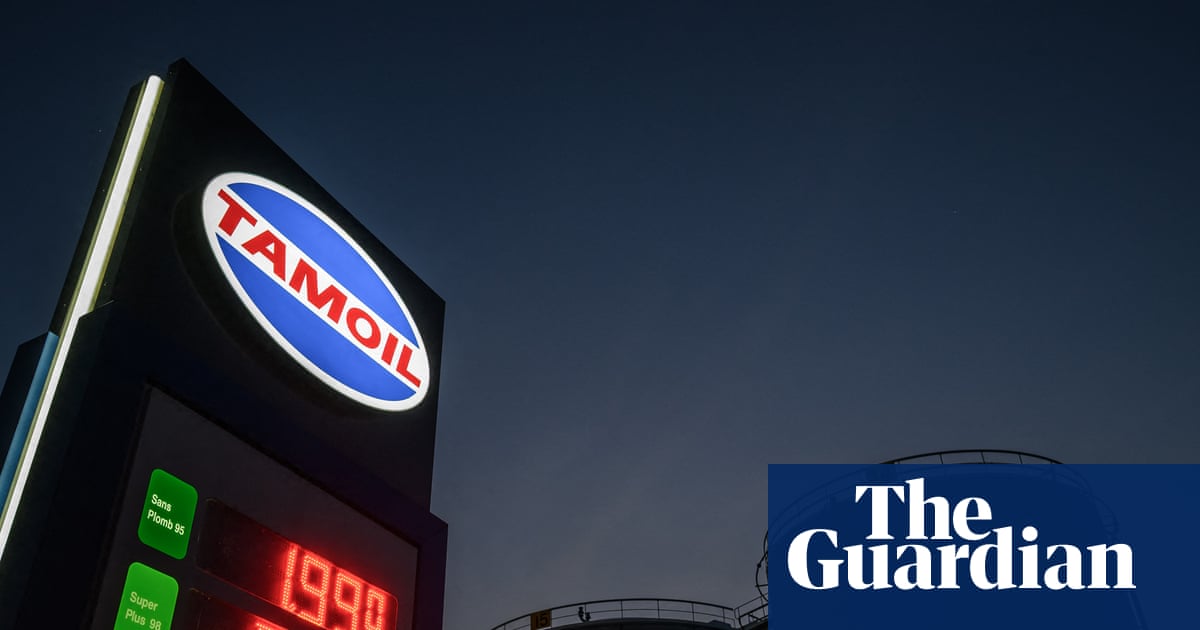
"It is true that some countries have taken significant steps to mitigate soaring fossil fuel prices, with many in Asia that depend on Gulf oil urging citizens to take action to conserve energy or, in some cases, resorting to outright rationing. Yet in Europe, the response has been more muted: motorists are feeling the pinch from higher petrol and diesel costs, and central banks have warned they may raise interest rates to constrain inflation, but wider supply chains appear to be holding up."
"Stockpiles have cushioned the economic impacts on businesses and people around the world, but the chokehold on Hormuz remains, despite this week's latest back and forth between Donald Trump and Tehran again raising hopes of a breakthrough. The longer the waterway remains closed, the more emergency stocks of oil and other vital commodities are run down, with knock-on effects across the economy. Even if the channel were to reopen fully tomorrow it could take months for supply chains to return to normal."
"More and more companies are having to acknowledge the possibility that vital inputs will run out. Some executives and analysts fear such reports of disruption and scarcity may be only a foretaste of what is to come. Complacency' Just over a week into the war, the US-listed carmaker Lucid Motors was co"
Jet fuel shortages, a global recession risk, and economic warnings have intensified after Iran throttled shipping flows through the Strait of Hormuz. Within weeks, fossil fuel prices surged and some Asian countries urged conservation or imposed rationing. Europe has seen higher petrol and diesel costs, with central banks warning about potential interest-rate increases, yet supply chains have largely held up. Investors have focused on positive signals, including the AI-driven strength of US shares, while European markets have not crashed. Stockpiles have softened impacts, but the Hormuz chokehold persists. If the waterway stays closed longer, emergency inventories of oil and other commodities will be depleted, and recovery of supply chains could take months even after reopening.
#energy-markets #supply-chain-disruption #strait-of-hormuz #inflation-and-interest-rates #geopolitical-risk
Read at www.theguardian.com
Unable to calculate read time
Collection
[
|
...
]