"In 2022, Russia, while invading Ukraine, slashed natural gas supplies to some European countries, including Germany, its best customer, squeezing businesses, consumers, and forcing governments to spend hundreds of billions of euros on supports."
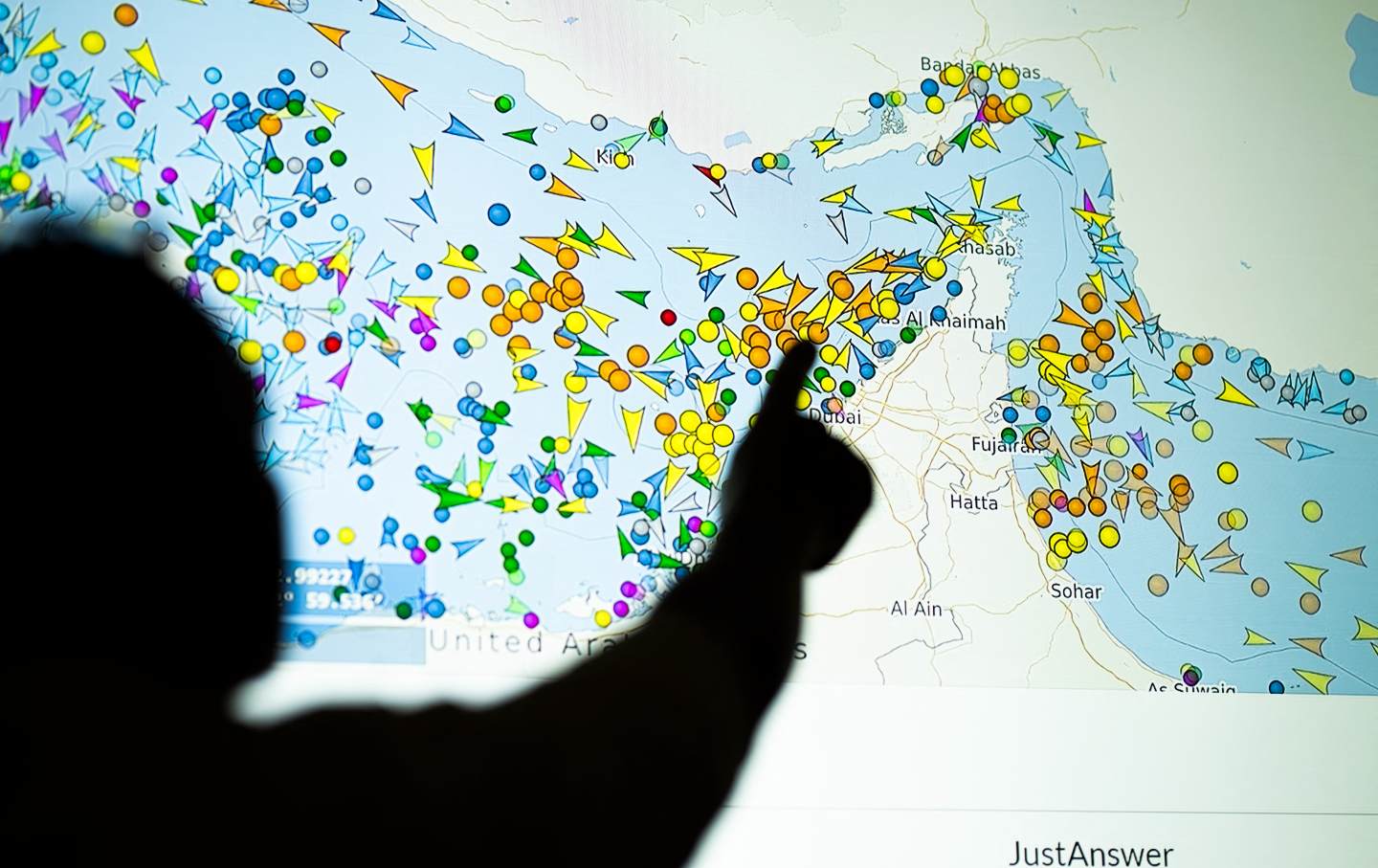
"The closure of the Strait of Hormuz, a key conduit for oil and natural gas shipments from the Persian Gulf region, means that Europeans face the threat of disruption of energy supplies, including aviation fuel, and a rise in prices that were already high. The European price for natural gas, which many countries use to generate a portion of their electricity, has risen about 40 percent since the beginning of the war to levels several times above those of the United States."
""Energy is being leveraged, and this comes at an exceptionally high price for households and businesses," Rasmus Errboe, the chief executive of Orsted, a Denmark-based developer of multibillion-dollar offshore wind farms, told journalists on Wednesday. "It doesn't have to be that way," he added."
""We must reduce our overdependency on imported fossil fuels and boost our home-grown, affordable, clean energy supply.""
Russia’s war-related reduction of natural gas supplies in 2022 squeezed European businesses and consumers and forced governments to fund large support measures. A potential disruption from the Strait of Hormuz threatens oil and natural gas shipments from the Persian Gulf, including aviation fuel, and could push prices higher. European natural gas prices have risen about 40 percent since the war began and now sit several times above U.S. levels. European leaders and clean energy executives argue that accelerating wind and solar can reduce climate impacts while limiting leverage by foreign suppliers. The European Union calls for cutting overdependency on imported fossil fuels and expanding home-grown, affordable, clean energy supply.
Read at The Nation
Unable to calculate read time
Collection
[
|
...
]