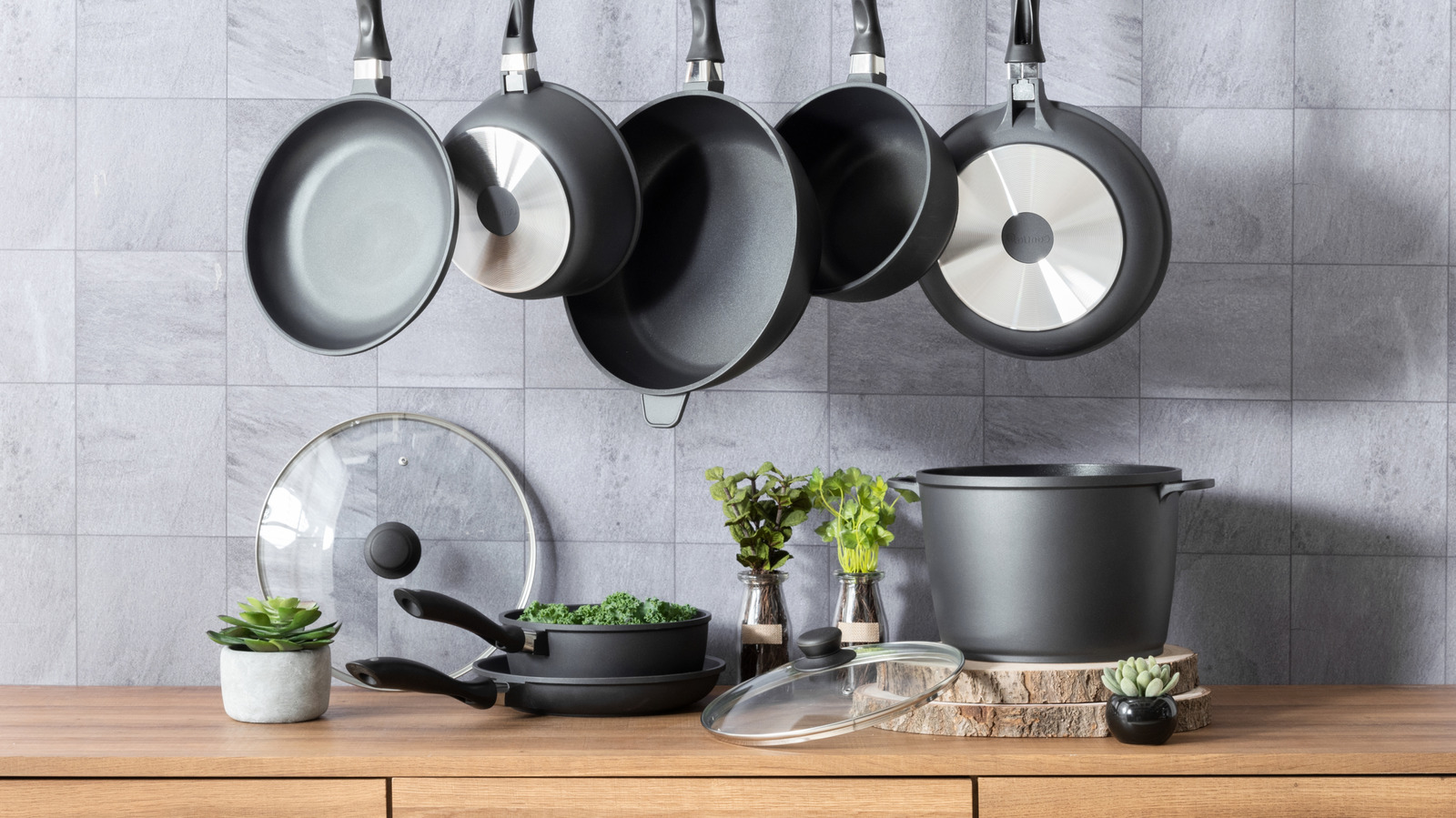
"Placing a hot pan directly on top of your kitchen counter - including more durable surfaces like granite and marble - can be a big mistake. Simply tossing down a trivet can go a long way to prevent discoloration or even burn marks. Hot pans can compromise sealants and cause discoloration over time, which can shorten the lifespan of your countertops and lower the return on your investment if a kitchen remodel comes sooner rather than later."
"When properly maintained, granite countertops last more than 30 years - which is a relief, considering that installation ranges from $2,400 to $5,000, depending on the size of kitchen. With its melting point of 2,300 degrees Fahrenheit, granite is designed to last the long haul, resisting both heat and scratches. But, even this stone comes with an achilles heel: Its seal is crucial for protection against moisture and discoloration."
"Repeatedly setting scorching-hot pots and pans directly on that seal is a surefire way to wear the sealant down more quickly, subsequently compromising the barrier that keeps the granite looking good and operating well. Unnecessary or extreme heat exposure can shorten the lifespan of your countertops, regardless of the material, which can also lower the return on your investment if a kitchen remodel comes sooner rather than later."
"Ultimately, some countertop materials are more forgiving of hot cookware than others. In addition to granite, porcelain and quartzite offer the strongest heat resistance. On the contrary, quartz and laminate like Formica are the least heat-resistant kitchen countertop materials due to the resin binder present in these manmade slabs, which is more liable to scorch and discolor. Marble countertops, with their lower melting point, are also suscepti"
Hot cookware placed directly on kitchen countertops can cause discoloration and burn marks, even on durable materials like granite and marble. Granite can last more than 30 years when properly maintained, but its protective seal is crucial for resisting moisture and discoloration. Repeated extreme heat can wear down the sealant, weakening the barrier that keeps granite looking good and functioning well. Unnecessary or extreme heat exposure can shorten countertop lifespan across materials and reduce return on investment if remodeling happens sooner. Porcelain and quartzite provide strong heat resistance, while quartz and laminate are less heat-resistant due to resin binders that can scorch and discolor. Marble is also susceptible because of a lower melting point.
Read at Tasting Table
Unable to calculate read time
Collection
[
|
...
]