"When you can do the things that I can, but you don't, and bad things happen, they happen because of you. It was a roundabout way of getting at Peter's superhero creed - With great power comes great responsibility - without really saying it. But given that the character was just 15 at the time, such clunkiness was easy to forgive."
"After all, it's Uncle Ben who first teaches Peter about great power and great responsibility - and when Peter fails to prevent Ben's demise, those platitudes become the backbone of his moral code. It's just as crucial to Spider-Man's creation as the murders of Thomas and Martha Wayne are to the creation of Batman."
"Civil War doesn't mention Uncle Ben for a reason: he's not a part of Peter Parker's origins. Marvel Studios The Russos recently sat down with CBR's Sean O'Connell to commemorate the 10th anniversary of Civil War, and unpack their approach to the ambitious story."
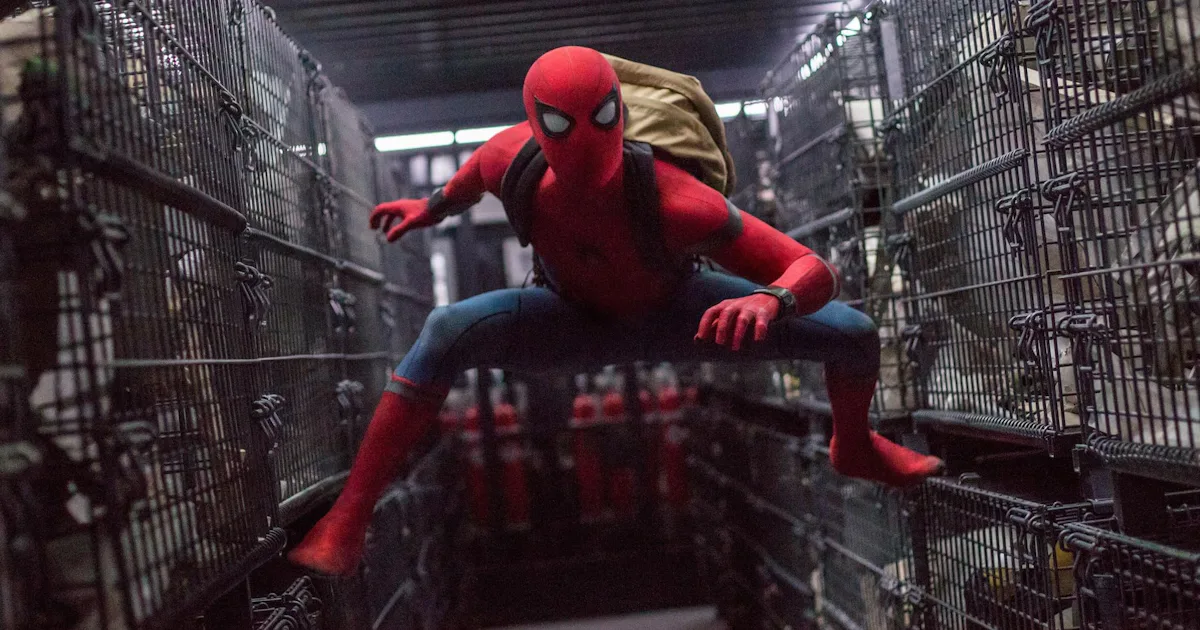
Spider-Man's introduction in Captain America: Civil War presents his origin story without Uncle Ben, a character traditionally central to Spider-Man's creation across other adaptations. Peter Parker already possessed his powers from a radioactive spider bite before Civil War's events, but the film never addresses Uncle Ben's death, which typically serves as the catalyst for Peter's moral code of great power and great responsibility. Directors Anthony and Joe Russo deliberately excluded this foundational element from their version of Spider-Man's origins. This departure from established Spider-Man canon left audiences confused for years, as Uncle Ben's death is considered as crucial to Spider-Man as the Wayne murders are to Batman's creation.
Read at Inverse
Unable to calculate read time
Collection
[
|
...
]