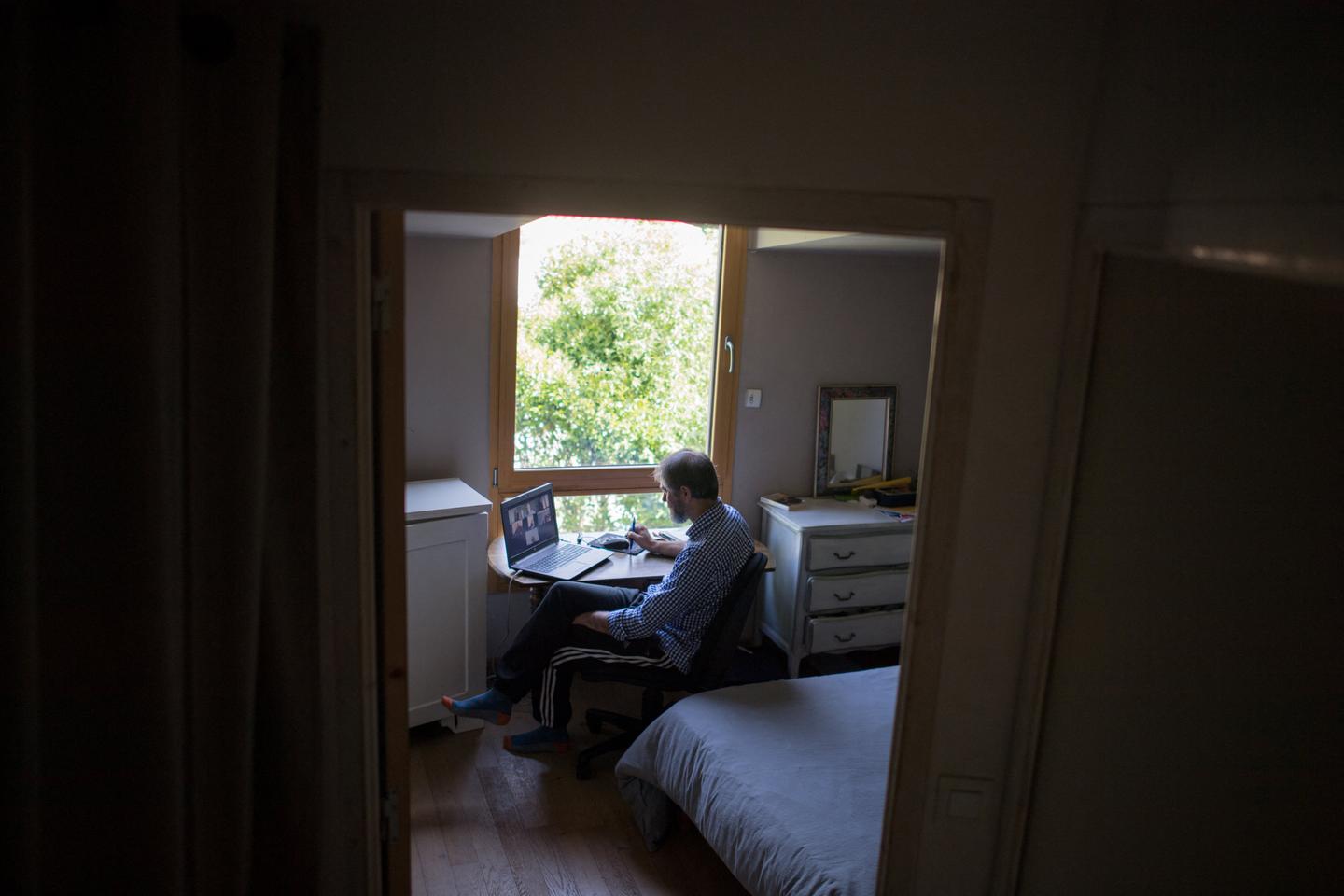
"While only 4% of working people in France worked remotely in 2019, more than one out of every five employees does so today. Employee monitoring has developed in parallel, explains Vincent Meyer, a professor and researcher in labor sociology at EM Normandie Business School. He analyzes how digital tools are redefining trust between employers and employees, and how young professionals, seeking autonomy and balance, are adapting to this new environment."
"While remote work was initially adopted for health reasons, it is now primarily driven by strong employee demand. This preference is especially pronounced among younger workers. Sensitive to work-life balance, studies show that, like their older counterparts, they want remote work opportunities, but often not more than one or two days a week. This allows them flexibility without severing social connections. In fact, some young employees report suffering from not seeing their colleagues enough when everyone is working from home."
Remote work in France rose sharply from 4% in 2019 to over 20% by 2020. Digital monitoring tools have expanded alongside remote arrangements, altering trust relationships between employers and employees. Younger professionals particularly favor remote options but typically prefer only one or two days per week to preserve social contact and work-life balance. Some younger workers experience isolation when colleagues are all remote. Employers often want greater on-site presence for junior staff to support learning and integration, yet many offer remote work to attract talent, making negotiated balances of autonomy, support, and oversight necessary.
Read at Le Monde.fr
Unable to calculate read time
Collection
[
|
...
]