"In its first decade, iRobot began to assemble a small-droid A-team for the theater of combat. The Ariel defused mines; the PackBot handled bomb disposal. (Later they would be joined by the Warrior, which breached obstacles; the camera-encrusted SUGV, which handled recon; and the palm-size FirstLook, which could be thrown through a window to investigate hazardous materials.) These machines weren't weapons, but they facilitated weaponry's consequences."
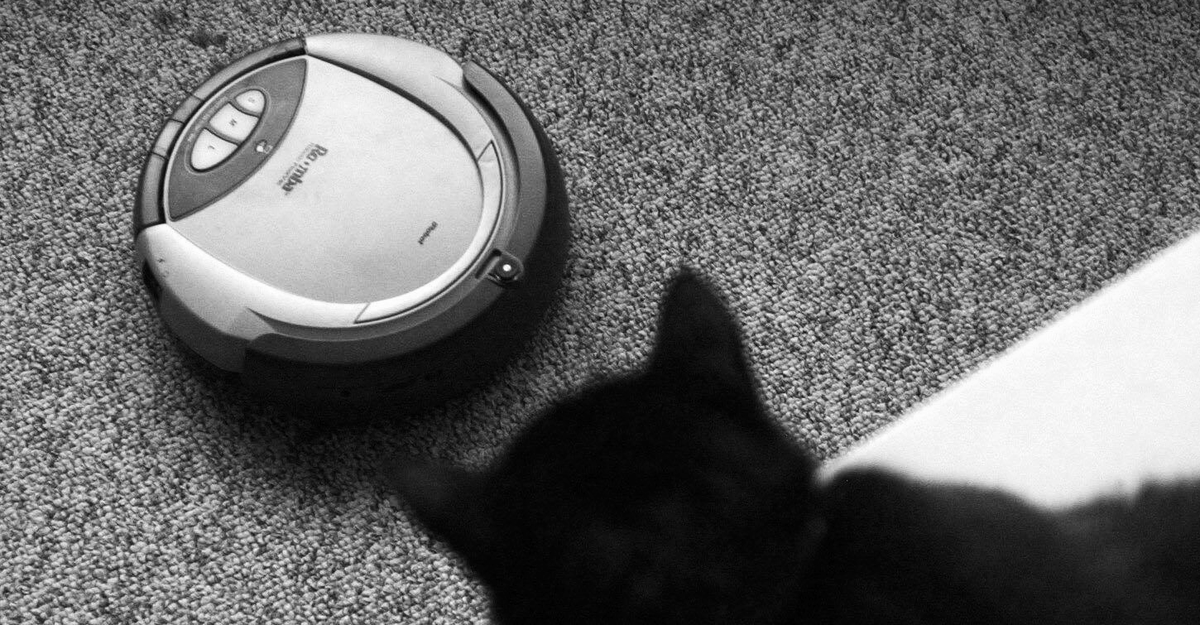
"From their armature, iRobot built Roomba in 2002-a domesticated robot that surveilled, detected, and removed materials from wood floors and carpets. Roomba created the U.S. market for home vacuum robots, and home robotics in general, insofar as a general home robotics was ever realized. Eventually, things went south. Competitors took over. A 2022 acquisition by Amazon failed on antitrust grounds, and this week iRobot filed for bankruptcy. Roombas will continue to meander across wool and laminate, but under the control of iRobot's Chinese manufacturing partner."
Three MIT roboticists incorporated a company in August 1990 that became iRobot. The company initially produced military robots like the Ariel, PackBot, Warrior, SUGV, and FirstLook for mine clearance, bomb disposal, obstacle breaching, reconnaissance, and hazardous-materials inspection. In 2002 iRobot introduced the Roomba, creating the U.S. market for home vacuum robots and influencing home robotics. Roombas struggled with practical home environments: getting stuck on rugs, tumbling down stairs, failing in cluttered spaces, and missing corners and larger debris. Competitors eroded iRobot's market position. A 2022 Amazon acquisition attempt failed on antitrust grounds, and iRobot later filed for bankruptcy.
Read at The Atlantic
Unable to calculate read time
Collection
[
|
...
]