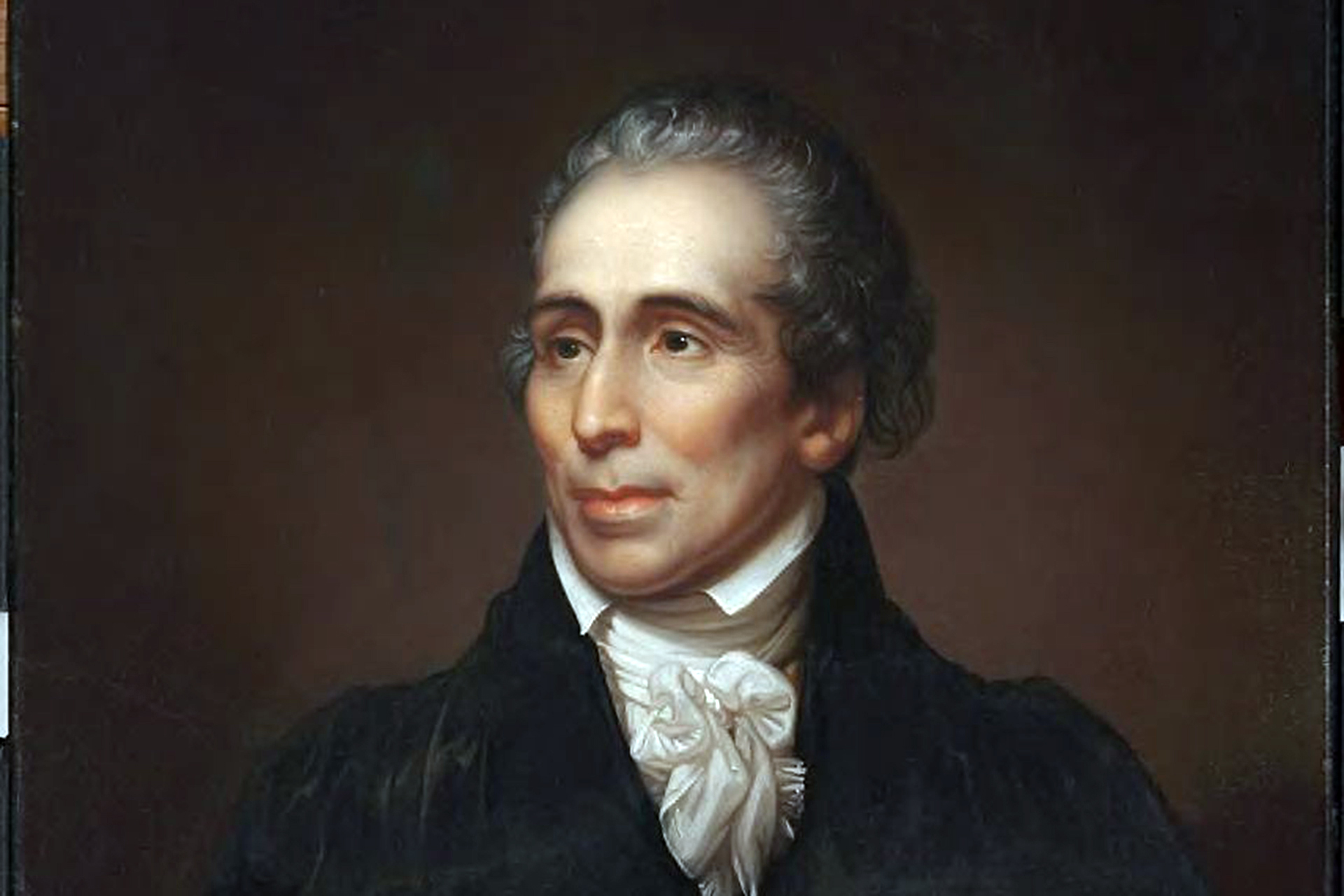
"It took days for John Warren to find his missing older brother. When he did, his worst fears were confirmed: Joseph, a Colonial militia general and guiding light for Warren, had been killed in battle on Breeds Hill in June of 1775. A grieving Warren initially reached for his gun, but cooler heads persuaded the young physician he'd be more valuable to the cause treating the wounded in Cambridge during the Siege of Boston, then in its early months."
"Warren was part of a revolutionary generation that counted a number of Harvard graduates in its ranks. They played key roles in the birth of the nation and in defining its character in the years that followed. In the ensuing years, Warren would pass through the upheaval of the Revolution, taking the accelerated lessons in medicine and innovation learned in battlefield surgery back to his Boston practice."
"The Harvard graduate became noted as a doctor and lecturer, skills would serve him as the primary founder of Harvard Medical School in 1782. "One side effect of war - and you see this through history - is medical progress," said Dominic Hall, manager for curation and stewardship at HMS's Countway Library. "Especially for surgery, you're going to see things, respond to things that aren't elective, things you aren't necessarily choosing to do, that you have to respond to and create treatments."
""He didn't have a lot of peers in surgery late in life." John Adams, the nation's second president, traced the birth of the new nation not to 1775, when the fighting started, or to 1776, when the Declaration of Independence was signed. In Adams' mind, the seeds of independence had been sown m"
John Warren searched for his missing older brother Joseph, a Colonial militia general, who was killed in June 1775 at the Battle of Breeds Hill. After learning the news, Warren was urged away from taking up his gun and toward treating wounded people in Cambridge during the Siege of Boston. He belonged to a revolutionary generation that included Harvard graduates who helped shape the nation’s birth and character. Warren carried lessons from battlefield surgery back to his Boston practice, becoming known as a doctor and lecturer. His medical and teaching skills supported his role as the primary founder of Harvard Medical School in 1782. War accelerated medical progress, especially in surgery, by forcing new treatments and responses.
Read at Harvard Gazette
Unable to calculate read time
Collection
[
|
...
]