"“Spiced incense on the air, song reverberating off stone, flare of light on gold, the hope of the divine brushing human skin, healing body and soul. It is hard to overstate the intense sensory experience of medieval English saint's shrines. From the lowly stone marker to the bejewelled and towering reliquary, the sacred centres of saint's cults were locations of physical, mental, and spiritual immersion. They were environments structured to shape multisensory engagement with their respective saint, with one of the most important sensory avenues being sound.”"
"“Unlike today, books in the medieval period were extremely expensive, and many people could not read Latin, the primary language of the church. For ordinary people such as farmers or fishermen, sound rather than text was the primary way they engaged with spiritual life.”"
"“Unlike today, books in the medieval period were extremely expensive, and many people could not read Latin, the primary language of the church. For ordinary people such as farmers or fishermen, sound rather than text was the primary way they engaged with spiritual life.”"
"“Spiced incense on the air, song reverberating off stone, flare of light on gold, the hope of the divine brushing human skin, healing body and soul. It is hard to overstate the intense sensory experience of medieval English saint's shrines. From the lowly stone marker to the bejewelled and towering reliquary, the sacred centres of saint's cults were locations of physical, mental, and spiritual immersion. They were environments structured to shape multisensory engagement with their respective saint, with one of the most important sensory avenues being sound.”"
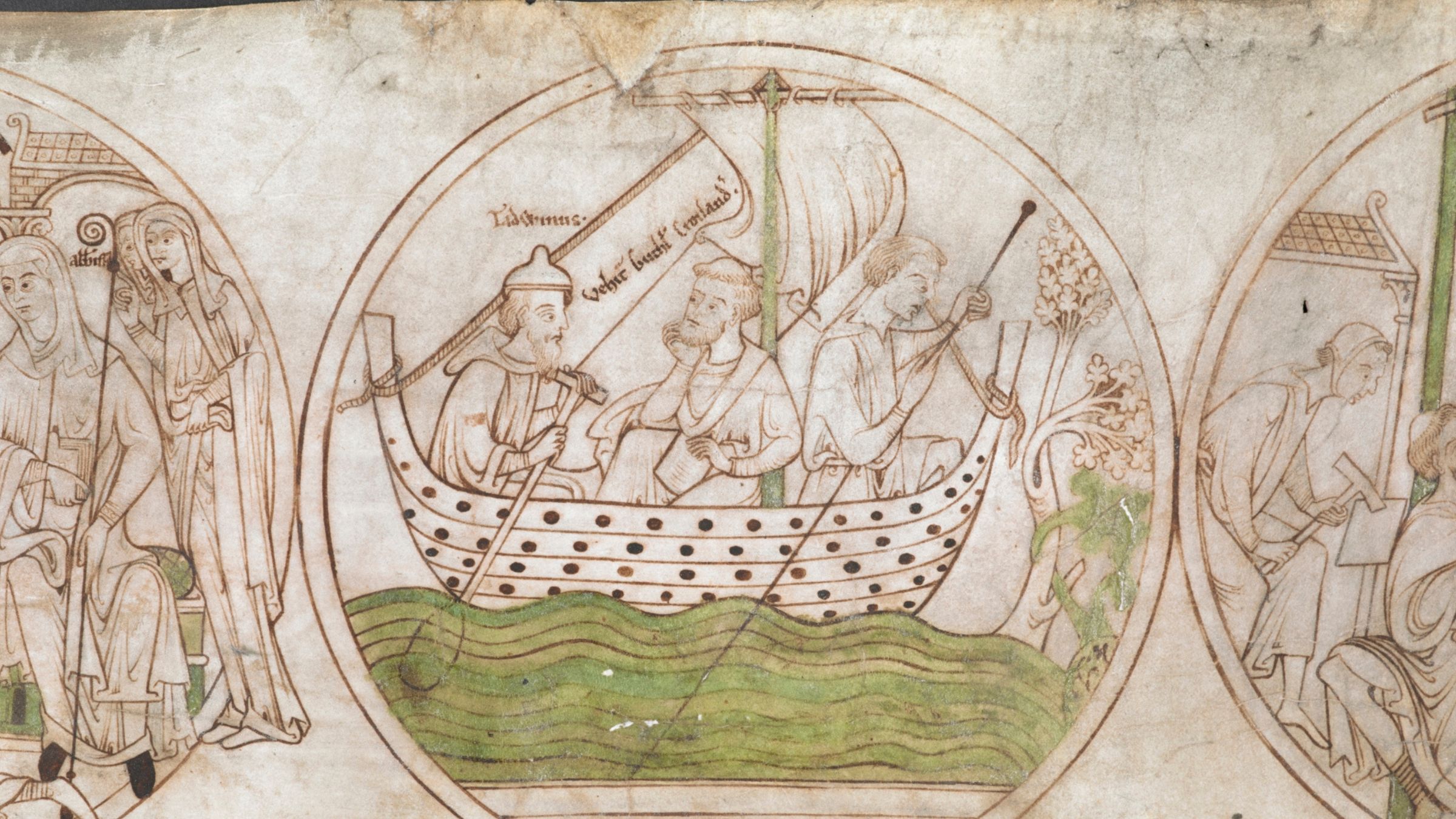
A study of the Harley Roll, a medieval English scroll showing Saint Guthlac’s life, proposes that sacred imagery was not silent. Viewers could mentally experience soundscapes while looking at images, including winds, hammering, animal cries, and demonic noises. Sacred centers of saint cults are described as environments designed for physical, mental, and spiritual immersion. These spaces combined sight, sound, memory, and emotion, shaping multisensory engagement with a saint. The study connects medieval studies, sound studies, and neuroscience to explain how people without access to Latin literacy could rely on sound as a primary way to engage with spiritual life.
Read at Medievalists.net
Unable to calculate read time
Collection
[
|
...
]