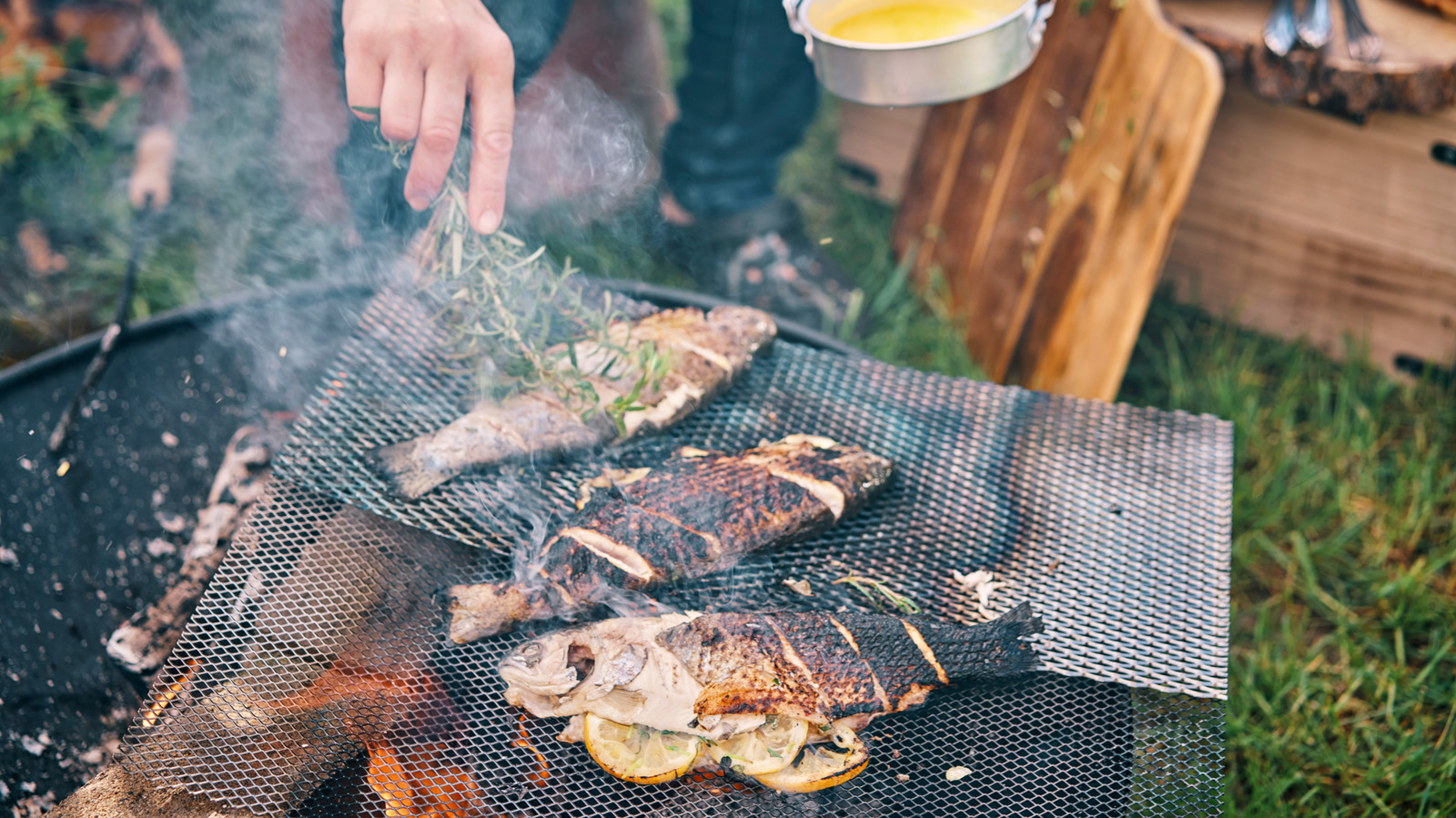
"“All of that comes from a mix of African Indigenous peoples and American Indigenous peoples creating these food ways of slow smoking meats,” Sherman said. “The process of slow cooking things over wood, over fire, and smoke, a lot of smoke ... you have, basically, a conglomeration of ... indigenous African and indigenous American food ways kind of coming together to create what we know as barbecue today,” Sherman elaborated."
"“Indigenous people were forced to make do with ‘a lot of pieces that were kind of thought to be scraps or leftover pieces ... cooking all those things down,’ he said. Barbecue stems from the necessity of turning those less-than-desirable cuts of meat into something more palatable, usually through the process of smoking.”"
"“Indigenous peoples from all over the place just are used to not wasting things”"
Modern grilling and barbecue foods in the United States draw from ingredients and techniques that became available in the Americas only about 500 years ago and were adapted into Indigenous smoking and barbecuing methods. Indigenous people and enslaved Africans forcibly brought to the Americas contributed to the food ways behind barbecue. Slow cooking over wood, fire, and smoke reflects a blend of Indigenous African and Indigenous American practices. Barbecue also developed from the need to use less desirable cuts of meat, often treated as scraps, by cooking them down until they became more palatable. Indigenous peoples’ habits of not wasting food supported these methods, and pit-cooked barbecue techniques extend back thousands of years.
Read at Tasting Table
Unable to calculate read time
Collection
[
|
...
]