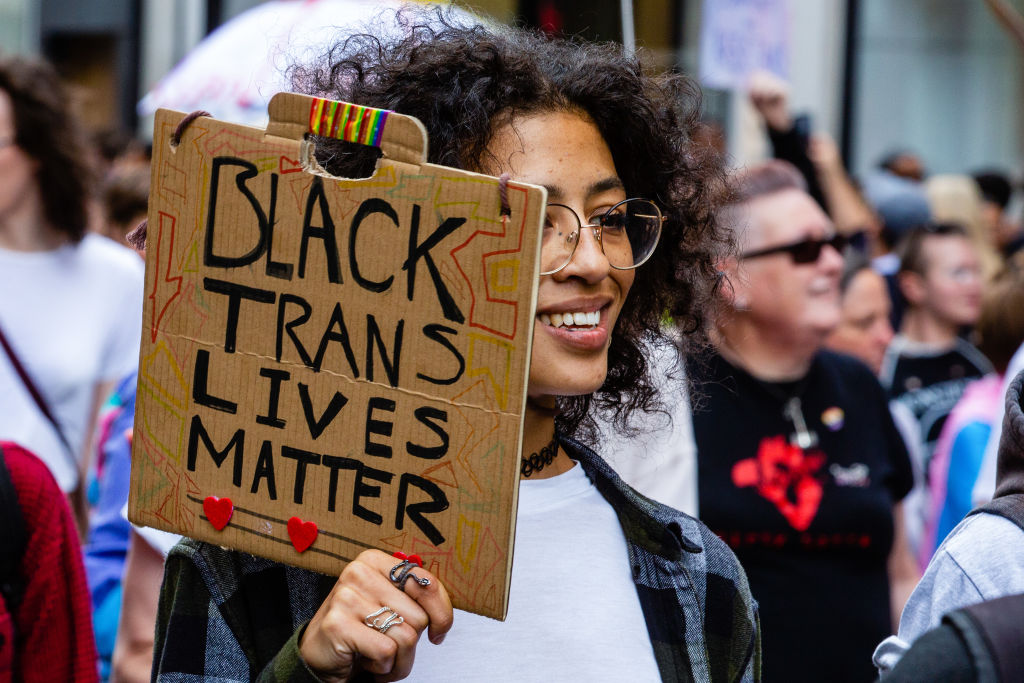
"Jeynce Poindexter was 14 when home stopped feeling like home. Her mother could not accept that she was transgender, Poindexter said, and staying would have meant negotiating an identity she already knew was not negotiable. So she left. What came next for Poindexter was survival, then structure. She found chosen family who embraced her as a Black trans woman. Years later she would become chosen family for other people, building the kind of support she once needed herself."
""Those are the people who have chosen to truly love you without condition," Poindexter said. "Your chosen and extended family literally fill in those gaps." The need for that kind of support has grown as lawmakers across the country have pushed a wave of anti-trans restrictions."
"The Williams Institute found that 24 states passed at least one restrictive anti-trans law in 2025, affecting an estimated 329,200 transgender youth ages 13 to 17. By the end of 2025, an estimated 382,800 transgender youth in that age group - 53 percent nationwide - were living in the 29 states with at least one law restricting gender-affirming care, bathroom access, sports participation or pronoun use."
""What LGBTQ+ people are living through now literally feels ripped from the pages of dystopian fiction," said Chinyere Ezie, a senior staff attorney at the Center for Constitutional Rights. For Black trans people, and Black trans women in particular, that lands on top of a crisis that long predates the latest wave of legislation. Black trans women face disproportionate levels of violence in the United States."
Jeynce Poindexter left home at 14 after her mother rejected her transgender identity. Survival came first, followed by structure and community. She found chosen family that embraced her as a Black trans woman, and later became chosen family for others. Poindexter described chosen and extended family as filling gaps with unconditional love. The need for that support has increased as lawmakers across the country have advanced anti-trans restrictions. The Williams Institute reported that many states passed restrictive anti-trans laws in 2025 affecting transgender youth, including limits on gender-affirming care, bathroom access, sports participation, and pronoun use. Black trans people, especially Black trans women, also face disproportionate violence that predates current legislation.
Read at Truthout
Unable to calculate read time
Collection
[
|
...
]