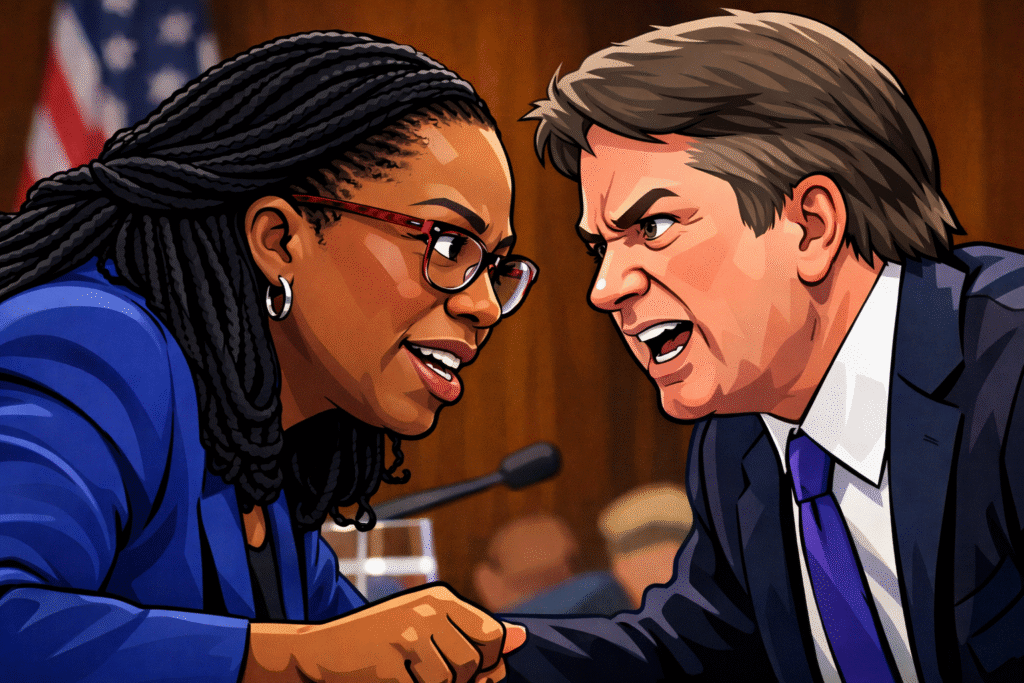
"The administration is making new policy ... and then insisting the new policy take effect immediately, before the challenge is decided. This uptick in the court's willingness to get involved in cases on the emergency docket is a real unfortunate problem. The Court is creating a kind of warped legal process, effectively predicting how a case will come out before the parties have fully developed the arguments."
"It's not unique to the Trump administration. As passing legislation through Congress becomes harder, administrations increasingly rely on executive actions and aggressive regulatory efforts. That inevitably leads to litigation, and requests for emergency relief. Administrations push the envelope in regulations. Some are lawful, some are not."
At a judicial event honoring Judge Thomas Flannery, Justices Ketanji Brown Jackson and Brett Kavanaugh debated the Supreme Court's emergency docket. Jackson expressed concern that the administration uses this procedure to implement new policies immediately while legal challenges remain pending, distorting the judicial process and predicting case outcomes prematurely. She characterized the increased use of emergency orders as problematic. Kavanaugh countered that emergency applications are standard structural features of modern governance, not partisan tools. He argued that as congressional legislation becomes more difficult, administrations increasingly rely on executive actions and regulations, inevitably generating litigation requiring emergency relief. Kavanaugh noted that some regulatory actions are lawful while others are not.
#supreme-court-emergency-docket #judicial-procedure-controversy #executive-power-and-litigation #judicial-philosophy-debate
Read at Above the Law
Unable to calculate read time
Collection
[
|
...
]